ali writer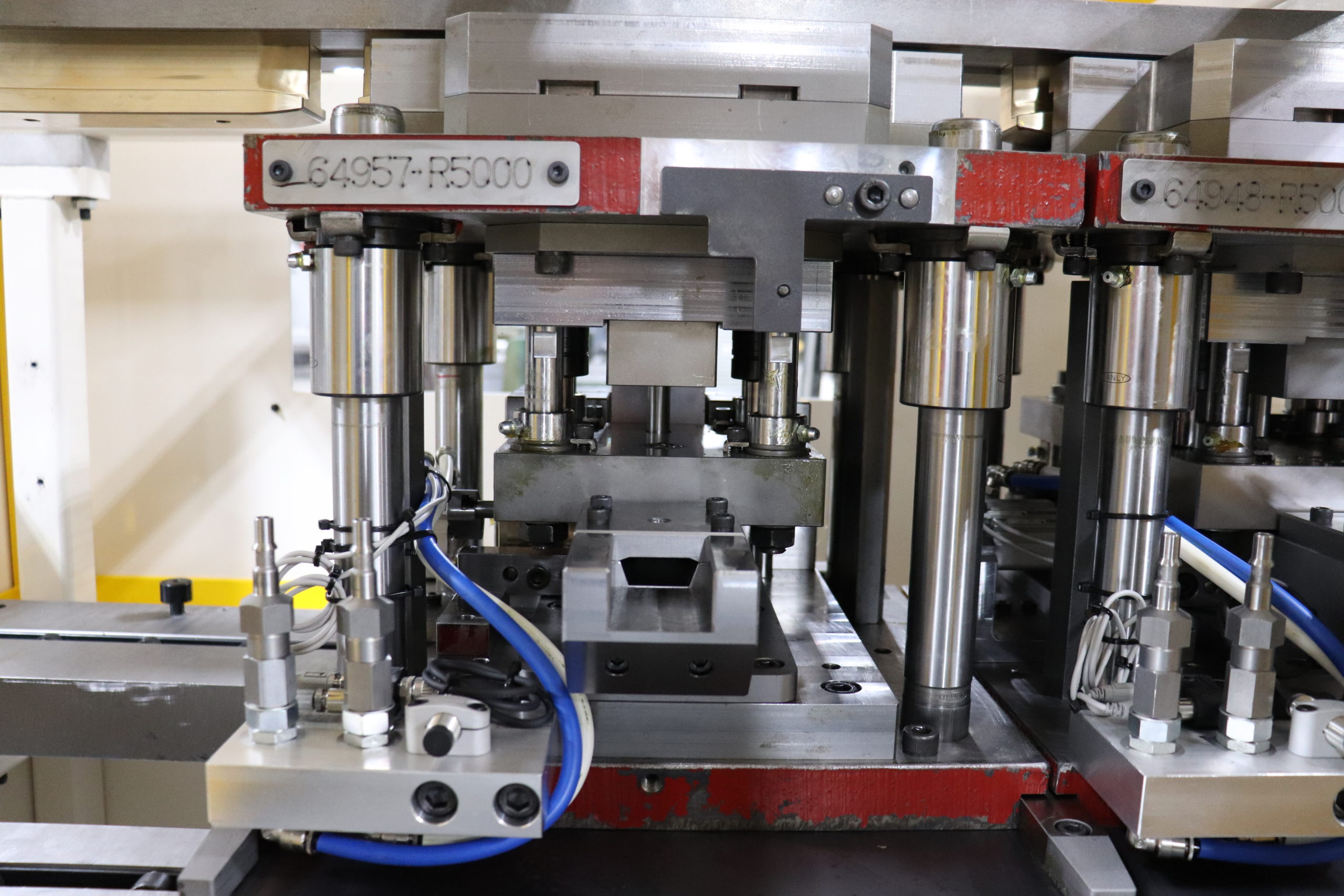
Workplace safety is one of the biggest priorities in modern manufacturing. Factories and industrial facilities constantly look for ways to reduce accidents, improve efficiency, and create safer environments for employees. One of the most effective advancements helping businesses achieve these goals is automation technology, especially automated press systems.
Modern Automated Presses are transforming manufacturing environments by reducing manual labor, improving operational accuracy, and minimizing workplace hazards. These advanced systems allow manufacturers to increase productivity while keeping workers safer from common industrial risks associated with traditional press operations.
What Are Automated Presses?
Automated presses are advanced manufacturing machines designed to perform pressing, stamping, forming, and assembly operations with minimal manual involvement. These systems use robotics, sensors, computerized controls, and automation software to complete repetitive tasks safely and efficiently.
Unlike traditional manual presses, automated systems reduce the need for direct worker interaction with dangerous moving parts. This significantly lowers the chances of workplace injuries while improving overall production consistency.
Automated presses are widely used in industries such as automotive manufacturing, electronics, aerospace, metal fabrication, and packaging.
Why Workplace Safety Matters in Manufacturing
Manufacturing environments can be dangerous when proper safety measures are not in place. Heavy machinery, repetitive motions, sharp materials, and high-speed operations create risks for workers every day.
Workplace accidents can lead to:
- Serious employee injuries
- Lost productivity
- Legal liabilities
- Increased insurance costs
- Equipment damage
- Reduced employee morale
Improving workplace safety not only protects employees but also helps businesses operate more efficiently and maintain a positive reputation.
How Automated Presses Reduce Human Error
Human error is one of the leading causes of workplace accidents in industrial environments. Fatigue, distractions, and repetitive tasks can increase the risk of mistakes during manual press operations.
Automated presses help solve this problem by handling repetitive processes with consistent precision. Sensors and programmed controls ensure tasks are completed accurately every time without relying heavily on manual intervention.
Reducing human involvement in hazardous operations significantly lowers the risk of accidents and injuries.
Minimizing Direct Contact With Dangerous Machinery
Traditional press machines often require workers to position materials manually near moving parts. This creates serious risks, including crushed hands, cuts, and other severe injuries.
Automated systems greatly reduce the need for workers to interact directly with dangerous equipment. Robotic arms, automatic feeders, and computerized controls handle tasks that once required manual operation.
This separation between workers and machinery creates a much safer working environment.
Improved Emergency Safety Features
Modern automated press systems come equipped with advanced safety technologies designed to prevent accidents before they happen.
Emergency Stop Systems
Automated presses often include highly responsive emergency stop functions that immediately halt operations if a problem occurs.
Safety Sensors
Built-in sensors detect irregularities, obstacles, or unsafe conditions and automatically stop the machine when necessary.
Protective Barriers
Many automated systems use safety guards and enclosures to prevent accidental contact with moving components.
These features work together to create multiple layers of workplace protection.
Reducing Repetitive Strain Injuries
Manual press operations often require workers to perform repetitive movements for long periods. Over time, this can lead to repetitive strain injuries, muscle fatigue, and joint problems.
Automated presses reduce physical strain by handling repetitive tasks automatically. Workers no longer need to constantly lift, position, or press materials manually throughout the day.
This improves employee comfort while reducing long-term health risks associated with repetitive industrial work.
Improving Accuracy and Consistency
Workplace safety is closely connected to operational accuracy. Mistakes during manufacturing processes can create defective products, machine malfunctions, or dangerous situations for employees.
Automated presses improve consistency by following programmed instructions with high precision. Consistent operations reduce the likelihood of material jams, equipment failures, or unexpected machine behavior.
Improved accuracy also reduces waste and helps maintain higher product quality standards.
Better Training and Easier Operations
Modern automation technology simplifies many complex manufacturing tasks. Operators can often monitor and control automated systems using user-friendly interfaces and digital control panels.
This reduces the learning curve for employees and helps improve operational safety. Workers spend less time physically interacting with hazardous equipment and more time supervising automated processes safely.
Many systems also include built-in diagnostics and alerts that help operators identify problems early.
How Automation Improves Employee Confidence
Employees are more productive when they feel safe at work. High-risk environments can increase stress and lower morale, especially when workers fear potential injuries.
Automated presses help create safer and more controlled workplaces, giving employees greater confidence in their daily responsibilities. Workers can focus more effectively on quality and productivity when safety concerns are reduced.
A safer work environment also improves employee satisfaction and retention.
Reducing Workplace Fatigue
Fatigue is a major contributor to industrial accidents. Long hours of repetitive manual work can reduce focus, slow reaction times, and increase mistakes.
Automation reduces physical exhaustion by taking over repetitive and labor-intensive tasks. Employees can focus on monitoring operations, quality control, and machine supervision instead of continuous manual labor.
Lower fatigue levels help improve concentration and reduce accident risks throughout the workplace.
Supporting Compliance With Safety Regulations
Manufacturing companies must follow strict workplace safety regulations to protect employees and avoid legal penalties. Automated press systems help businesses meet these standards more effectively.
Many modern systems are designed with built-in compliance features that align with industry safety requirements. This helps companies maintain safer workplaces while reducing the risk of regulatory violations.
For additional workplace safety information, businesses can visit OSHA for official safety guidelines and regulations.
Lowering Long-Term Operational Risks
Workplace injuries can have long-term consequences for businesses. Medical expenses, downtime, lawsuits, and equipment damage can become extremely costly over time.
Automated presses reduce these risks by creating safer manufacturing environments and minimizing accident potential. Fewer injuries also mean reduced workers’ compensation claims and lower insurance costs.
Investing in automation often leads to long-term financial savings while improving workplace safety standards.
The Role of Smart Technology in Press Automation
Modern automated presses often use smart technology to further improve safety and efficiency.
Real-Time Monitoring
Smart systems track machine performance continuously and identify potential issues before they become serious problems.
Predictive Maintenance
Advanced software can predict when maintenance is needed, helping prevent dangerous equipment failures.
Remote System Control
Some systems allow operators to monitor and adjust machinery remotely, reducing direct exposure to hazardous areas.
These technologies make manufacturing environments safer and more efficient than ever before.
Environmental Benefits of Automated Presses
Safety improvements often go hand in hand with environmental benefits. Automated systems typically use materials more efficiently and generate less waste compared to manual operations.
Reduced waste, lower energy consumption, and improved production accuracy help businesses operate more sustainably.
Environmentally responsible manufacturing practices also contribute to healthier workplaces overall.
For more information about manufacturing safety standards and automation technologies, companies can explore resources from National Safety Council.
Common Industries Using Automated Presses
Automated presses are widely used across multiple industries due to their safety and efficiency benefits.
Automotive Manufacturing
Automated systems help produce vehicle components with high precision and reduced injury risks.
Electronics Industry
Manufacturers use automated presses for delicate assembly and stamping processes.
Metal Fabrication
Heavy-duty press systems improve safety when handling metal sheets and industrial materials.
Packaging Industry
Automation helps packaging facilities improve production speed while reducing manual labor.
These industries continue investing heavily in automation to improve both productivity and employee safety.
Why Businesses Are Investing in Automation
More companies are adopting automated press systems because they offer both safety and operational advantages. Businesses understand that protecting employees is not only ethically important but also financially beneficial.
Automation helps companies:
- Reduce workplace injuries
- Improve production efficiency
- Lower long-term costs
- Increase product consistency
- Enhance employee satisfaction
- Stay competitive in modern markets
As technology continues advancing, automated systems are becoming even more effective and accessible.
The Future of Workplace Safety With Automation
The future of manufacturing safety is closely tied to automation and smart technology. As automated systems continue improving, workplaces will become even safer, faster, and more efficient.
Artificial intelligence, machine learning, and robotics are expected to play even larger roles in industrial safety in the coming years. These innovations will help manufacturers identify risks earlier and prevent accidents more effectively.
Businesses that invest in modern automation today are preparing for safer and more sustainable operations in the future.
Conclusion
Automated presses are transforming workplace safety across modern manufacturing industries. By reducing manual labor, minimizing human error, improving accuracy, and limiting worker exposure to hazardous machinery, these advanced systems create safer and more productive environments.

 Oliver oliver
 Mark Johansan