shramdaan Clothes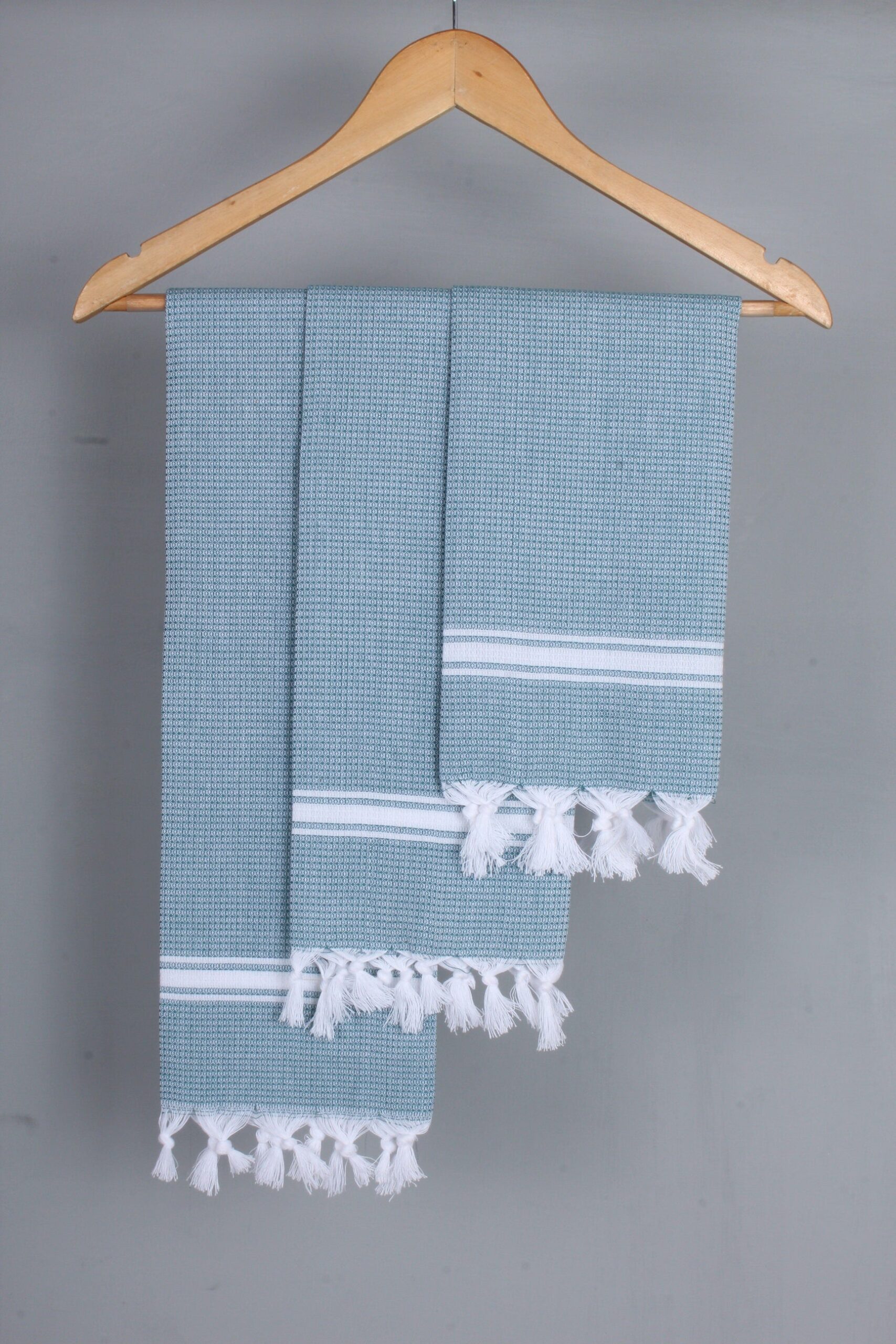
The modern Indian kitchen is a hub of activity, filled with the aromas of spices and the constant preparation of fresh meals. While this culinary energy is vibrant, it often generates a significant amount of waste. In recent years, convenience has led many households to rely heavily on disposable paper products such as kitchen rolls and tissue papers. While these items might offer a quick fix for spills and cleaning, they contribute massively to the daily waste accumulated in our bins.
A simple yet effective solution lies in returning to traditional, reusable alternatives. By integrating into daily kitchen routines, households can drastically reduce their environmental footprint. This shift does not merely represent a change in product choice but signifies a broader commitment to sustainable living that aligns with age-old Indian practices of thrift and resourcefulness.
The Environmental Cost of Convenience
It is easy to overlook the impact of tearing off a sheet of paper towel to wipe a counter or dry one’s hands. However, when multiplied by millions of households across the country, the volume of waste becomes staggering. Paper towels and tissues are single-use items that are rarely recyclable once soiled with food or grease. Consequently, they end up in landfills where they decompose and release methane, a potent greenhouse gas.
Furthermore, the production of these disposable items consumes vast amounts of water and energy. Trees are felled, processed, and bleached to create products that are used for mere seconds before being discarded. Recognising this cycle of waste is the first step towards making a positive change.
The Advantages of Reusable Textiles
Switching to reusable textiles offers immediate benefits for both the environment and the household budget. Unlike their paper counterparts, cloth alternatives can be washed and reused hundreds of times. This durability ensures that fewer resources are extracted from the planet over the long term.
Cotton cloth napkins are particularly suited for this purpose. Their natural fibres provide excellent absorbency, making them ideal for tackling the varied tasks found in an Indian kitchen. Whether it is wiping down a granite countertop, drying stainless steel utensils, or handling hot cookware, these durable fabrics perform exceptionally well without falling apart.
Moreover, reusable cloth is gentler on surfaces and skin. It does not leave behind lint or chemical residues, ensuring that food preparation areas remain truly clean and safe.
Embracing Handloom and Local Craftsmanship
India possesses a rich heritage of textile production that is deeply woven into the country’s culture. Choosing handloom cotton napkins connects the modern kitchen to this legacy. Handloom fabrics are known for their unique texture and breathability, qualities that mass-produced synthetic blends often lack.
The slightly coarser texture of handloom fabric can be advantageous for scrubbing and cleaning without being abrasive. Additionally, supporting handloom products helps sustain the livelihoods of artisans and weavers in rural India. It preserves traditional skills that have been passed down through generations, ensuring that this art form continues to thrive in a modern context.
Practical Applications in the Kitchen
Integrating reusable napkins into daily life is straightforward. There are several key areas where they can replace disposables effectively:
- Dining Setup: Instead of placing a box of tissues on the dining table, provide a cloth napkin for each family member. It elevates the dining experience and eliminates a significant source of paper waste.
- Roti and Bread Storage: Traditionally, soft cloths have been used to line roti baskets. This keeps the bread warm and soft without the need for aluminium foil or paper wraps.
- Drying Fresh Produce: After washing vegetables and fruits, a clean cloth absorbs moisture quickly, preparing the produce for cooking or storage.
- General Cleaning: Keep a stack of designated cotton napkins For Kitchen within easy reach for wiping spills immediately. Having them accessible makes it less likely that one will reach for a paper towel out of habit.
Supporting a Sustainable Local Economy
When households choose products manufactured within the country, they reduce the carbon footprint associated with long-distance shipping and logistics. Opting for cotton napkins made in india ensures that the environmental cost of transport is minimised. It fosters a circular economy where local resources are utilised to meet local needs.
This approach also encourages transparency. Consumers can often learn more about the sourcing of the cotton and the conditions under which the products were made. Ethical consumption is a critical component of sustainability, and buying locally produced goods is a powerful way to vote for a greener future.
Conclusion
Reducing household waste in Indian kitchens requires a conscious effort to move away from disposable convenience and towards durable, reusable solutions. The transition from paper towels to cloth alternatives is a practical and impactful step that every family can take. It reduces landfill contribution, saves money over time, and supports the rich tradition of Indian textiles. By making small adjustments to how we clean and dine, we can collectively make a significant difference in preserving the environment for future generations.
To learn more about sustainable living and explore a range of eco-friendly textile solutions, you can visit Shramdaan. They are one of the most trusted brands to buy authentic handlooms from. Along with napkins, you can also check out their handkerchief, shirts, dhotis, dupattas, sarees and more. Shop Now.


 Found Dat Fashion
 Lingerie Fox