shramdaan Clothes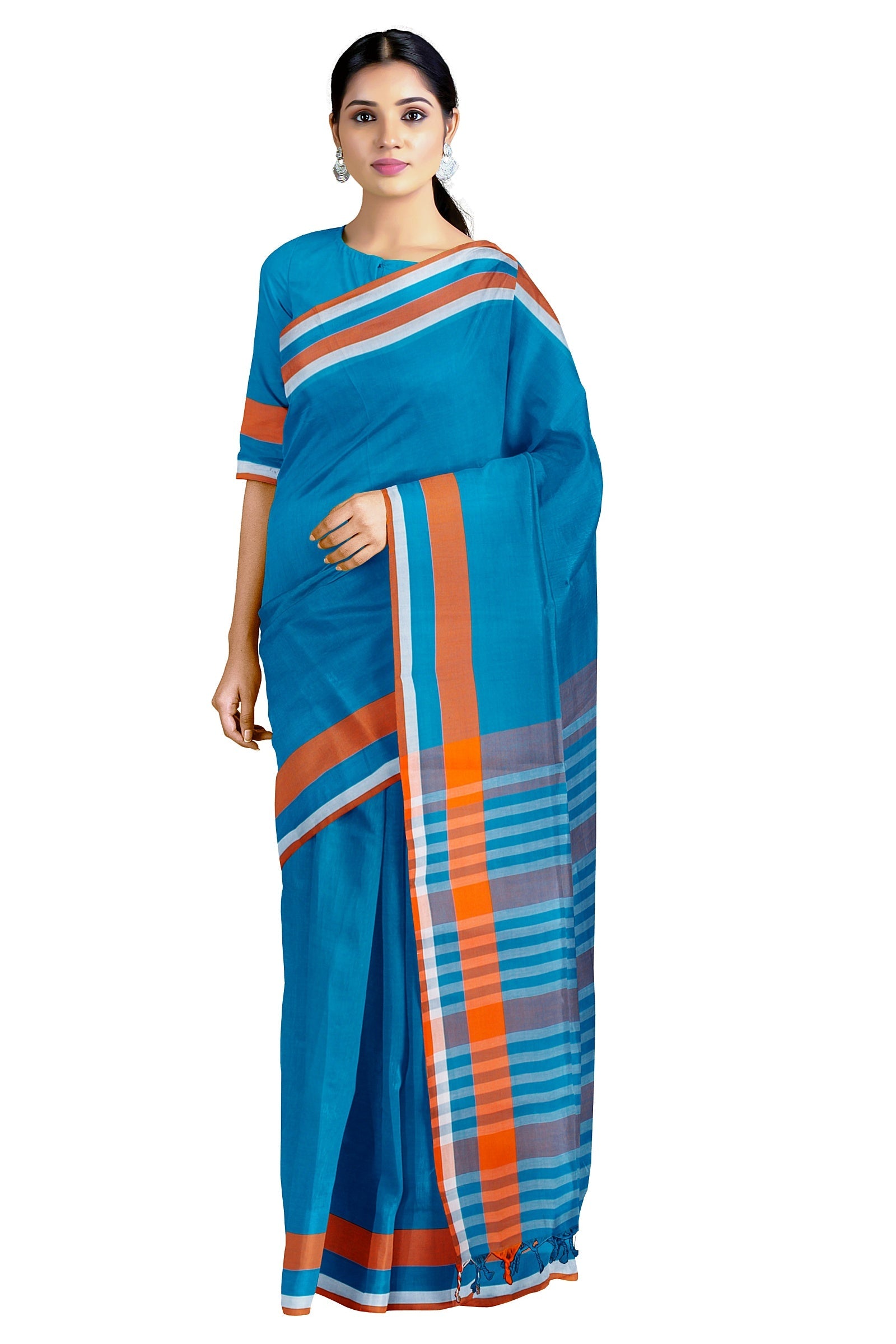
The Indian climate is characterised by its distinct seasons, with long, sweltering summers and high humidity levels in many regions. In such weather conditions, the choice of clothing becomes a matter of comfort and health rather than just aesthetics. While modern synthetic fabrics have flooded the market, traditional textiles continue to hold a significant place in the wardrobe of the Indian woman. Specifically, handloom sarees are revered not only for their cultural significance but for their exceptional ability to keep the wearer cool and comfortable.
Understanding why these traditional garments feel significantly lighter and more breathable requires looking at the science of weaving, the nature of the materials used, and the unique structure of the fabric itself.
The Unique Mechanics of Hand-Weaving
The primary reason for the breathability of a handloom garment lies in the weaving process itself. Unlike power looms, which are automated and weave threads at high tension and high speed to produce a uniform, tight grid, handlooms are operated manually.
In manual weaving, the weaver controls the tension of the warp and weft threads. This human touch results in a slightly looser weave structure compared to machine-made fabrics. This microscopic looseness creates tiny air pockets within the fabric. These pockets are crucial as they allow air to circulate freely through the saree, facilitating ventilation. This airflow helps in evaporating sweat from the body, keeping the wearer cool even in stifling heat.
The Role of Natural Fibres
Most handloom creations are woven using natural fibres such as cotton, silk, linen, or blends of these materials. These fibres have inherent properties that synthetic alternatives like polyester or nylon simply cannot match.
- High Absorbency: Natural fibres like cotton are hydrophilic, meaning they attract water. They absorb perspiration away from the skin and release it into the air, a process known as moisture-wicking.
- Thermal Regulation: Silk and cotton are excellent thermal regulators. They keep the body cool in summer and provide a layer of warmth in winter.
- Skin Compatibility: Natural yarns are hypoallergenic and gentle on the skin, preventing the rashes and irritation often caused by synthetic materials in humid weather.
When you look for handloom sarees online, you are essentially looking for garments that prioritise these natural, breathable materials over synthetic blends that trap heat.
Minimal Chemical Processing
Mass-produced textiles often undergo rigorous chemical treatments to ensure colour fastness, wrinkle resistance, and a glossy finish. These treatments can coat the fibres with synthetic resins, blocking the natural pores of the fabric and reducing its ability to breathe.
In contrast, the production of handloom textiles typically involves fewer chemicals. The yarn is often treated with natural starches or mild processing agents that wash out easily. This leaves the fibre’s natural structure intact, ensuring that the fabric remains soft and porous. This lack of heavy industrial processing contributes significantly to the ‘light’ feeling of the saree. Many enthusiasts engaged in handloom sarees online shopping often notice that these garments soften further with every wash, enhancing their comfort over time.
Thread Count and Fabric Density
The concept of thread count plays a vital role in the weight of the saree. In the handloom sector, weavers can adjust the density of the threads based on the desired outcome. For summer wear, weavers often create fabrics with a lower thread density or use finer yarn counts.
This technique results in a fabric that is physically lighter in weight without compromising its strength. A lower density means there is less mass pressing against the skin, and more open space for air to pass through. Those searching for online handloom sarees will find that descriptions often mention specific weaving styles like Jamdani or Chanderi, which are famous for their sheer, feather-light texture achieved through expert manipulation of yarn density.
The Drape and Airflow
The way a saree drapes also affects how hot or cool it feels. Stiff fabrics tend to trap a layer of stagnant, hot air against the body. Because handloom fabrics are softer and have a fluid drape, they do not stick to the skin. Instead, they move with the body, creating a bellows effect that pumps warm air out and draws cooler air in as you move.
This dynamic air exchange is essential in Indian weather. A stiff, synthetic saree can create a ‘greenhouse effect’ next to the skin, whereas soft handloom sarees allow for constant ventilation, making them the superior choice for day-long wear.
Conclusion
The superior comfort of hand-woven sarees is not a myth but a result of physics and material science. The combination of low-tension manual weaving, the use of absorbent natural fibres, minimal chemical interference, and thoughtful craftsmanship results in a garment that is perfectly engineered for the Indian climate. While fashion trends change, the practical benefits of these traditional weaves ensure they remain a staple for those seeking elegance without sacrificing comfort. Choosing these garments is an investment in personal well-being, particularly during the harsh summer months.
For those interested in exploring authentic weaves that promise this level of comfort and breathability, Shramdaan offers a curated collection of traditional textiles.
Along with sarees, you can also check out their shirts, dupattas, kurtis, yoga mats, daris and more. Shop Now.

 Sofia Jones
 Merle Norman Day Spa