Team V One Hospital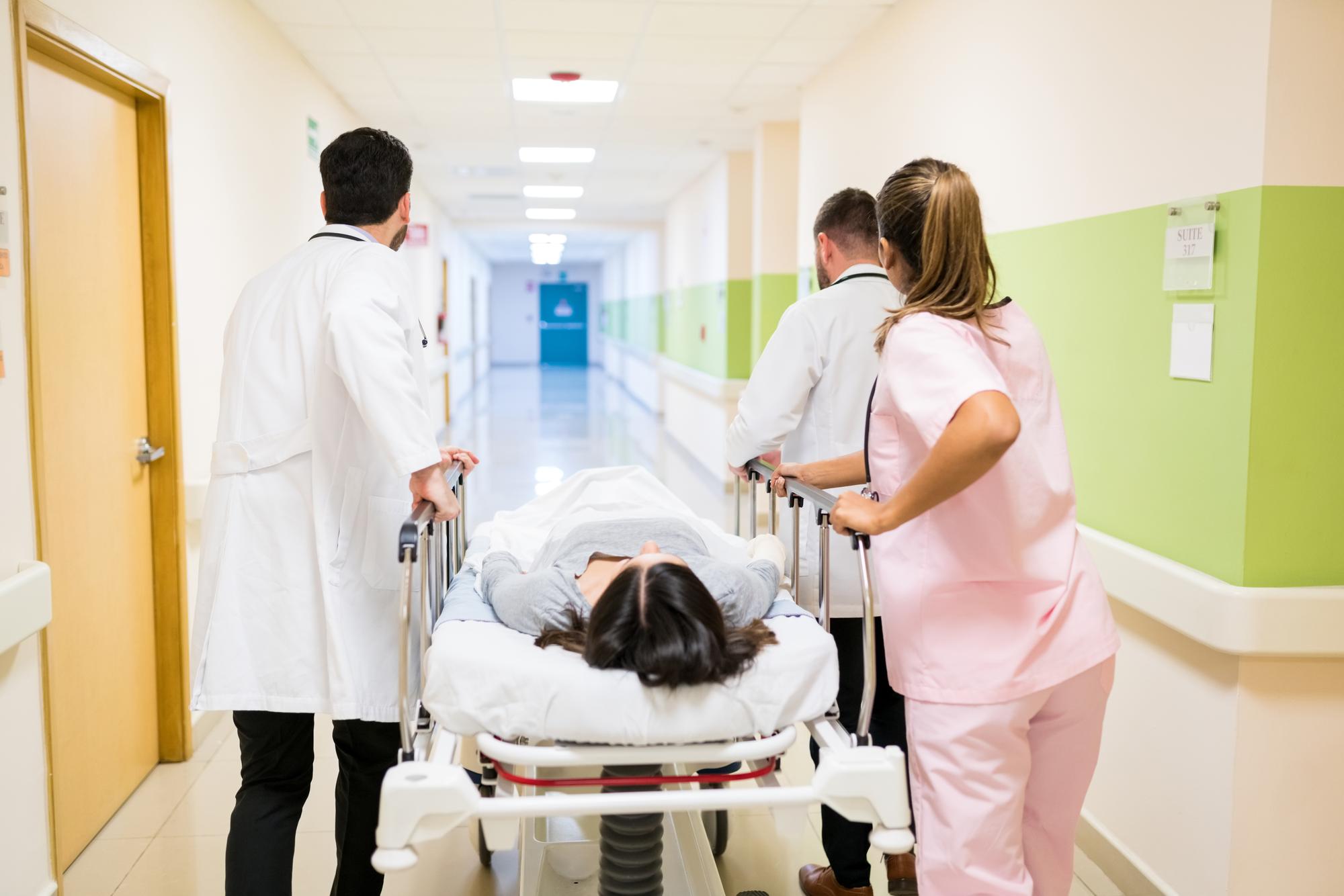
Medical emergencies can happen anytime and anywhere. Whether it’s a road accident, sudden chest pain, breathing difficulty, or a serious injury, quick medical attention can save lives. This is where emergency medical services play a major role. In India, the emergency healthcare system has improved significantly over the years, helping patients receive faster treatment and better care during critical situations.
An efficient Emergency care unit is one of the most important parts of this system, ensuring patients receive immediate medical support when every second matters.
What Are Emergency Medical Services?
Emergency medical services, often called EMS, are healthcare services designed to provide immediate medical attention during emergencies. These services include:
- Ambulance support
- First aid and life-saving care
- Transportation to hospitals
- Coordination with doctors and emergency teams
The main goal of an Emergency care unit is to stabilize patients quickly and reduce the risk of complications before advanced treatment begins.
How Emergency Medical Services Start in India
The process usually begins with a call to an emergency helpline or hospital emergency desk. Once the call is received:
- The patient’s location and condition are identified
- The nearest ambulance is dispatched
- Medical staff prepare for the emergency
In many cities across India, ambulance networks are connected with hospitals and trauma centers to ensure faster response times.
An organized Emergency care unit helps streamline this entire process, making emergency response more effective.
Ambulance Services: The First Line of Care
Ambulances are the backbone of emergency medical services in India. Modern ambulances are equipped with:
- Oxygen support systems
- Stretchers and monitoring devices
- Basic medicines and emergency tools
Paramedics inside the ambulance provide immediate care while transporting the patient to the hospital.
The connection between ambulance teams and the Emergency care unit is extremely important because hospitals can prepare for treatment even before the patient arrives.
Role of the Emergency Care Unit in Hospitals
Once the patient reaches the hospital, the Emergency care unit becomes the center of action. This department is specially designed to handle urgent and life-threatening conditions quickly.
Doctors and nurses in the emergency department work together to:
- Assess the patient’s condition
- Provide immediate treatment
- Stabilize vital signs
- Arrange further care if required
An efficient Emergency care unit can make a huge difference in improving patient outcomes during critical situations.
How Patients Are Prioritized During Emergencies
In India, emergency departments often use a triage system. This means patients are treated based on the seriousness of their condition rather than arrival time.
For example:
- Heart attack or stroke patients receive immediate attention
- Accident victims with severe bleeding are prioritized
- Less critical cases may wait slightly longer
This system helps the Emergency care unit manage emergencies more efficiently and ensure critical patients receive immediate care.
Medical Professionals Involved in Emergency Services
Emergency healthcare involves a complete team effort. Some of the key professionals include:
- Emergency doctors
- Nurses
- Paramedics
- Ambulance drivers
- Specialists and surgeons
Each person plays a specific role in ensuring the Emergency care unit operates smoothly during stressful situations.
Technology Used in Emergency Medical Services
Modern healthcare technology has improved emergency response systems across India. Many hospitals now use:
- GPS-enabled ambulances
- Digital patient monitoring systems
- Emergency communication tools
- Real-time coordination between ambulance and hospital teams
These technologies help the Emergency care unit respond faster and provide better treatment.
Common Emergencies Handled in India
Emergency medical services in India deal with a wide range of situations, including:
- Road traffic accidents
- Heart attacks
- Stroke emergencies
- Breathing difficulties
- Burns and injuries
- Poisoning cases
A well-equipped Emergency care unit is prepared to manage all these conditions efficiently.
Challenges Faced by Emergency Medical Services in India
Although India has improved emergency healthcare significantly, some challenges still exist:
- Traffic congestion delaying ambulances
- Lack of awareness about emergency numbers
- Limited healthcare access in rural areas
- Overcrowding in emergency departments
Despite these challenges, hospitals and healthcare providers continue working to improve emergency response systems and patient care.
Why Quick Emergency Care Matters
In emergencies, even a small delay can increase health risks. Fast medical attention helps:
- Reduce complications
- Improve survival chances
- Prevent permanent damage
- Support faster recovery
This is why having access to a reliable Emergency care unit is extremely important for every community.
Growing Importance of Emergency Care in India
With increasing urbanization, road traffic, and lifestyle-related illnesses, emergency healthcare services are becoming more essential than ever. Hospitals across India are continuously upgrading their infrastructure and emergency systems to provide faster and safer treatment.
An advanced Emergency care unit not only handles emergencies but also reassures patients and families that immediate medical support is available when needed.
Public Awareness and Preparedness
People also play a role in improving emergency response outcomes. Simple awareness can help save lives:
- Know your local emergency numbers
- Avoid panic during emergencies
- Provide accurate information while calling for help
- Seek immediate medical attention instead of delaying care
Quick action combined with a strong Emergency care unit can make a life-saving difference.
Final Thoughts
Emergency medical services are one of the most important pillars of healthcare in India. From ambulance response to hospital treatment, every step is carefully designed to provide fast and effective care during critical situations.
A reliable Emergency care unit ensures patients receive immediate medical attention, improving safety and survival during emergencies. As healthcare systems continue to grow and technology advances, emergency services in India are becoming more efficient, accessible, and patient-focused.
Understanding how these services operate not only spreads awareness but also helps people make informed decisions during urgent situations. In emergencies, timely action and proper medical support truly matter the most.

 Ahmad hassan
 Dental Clinic789