Rohit Verma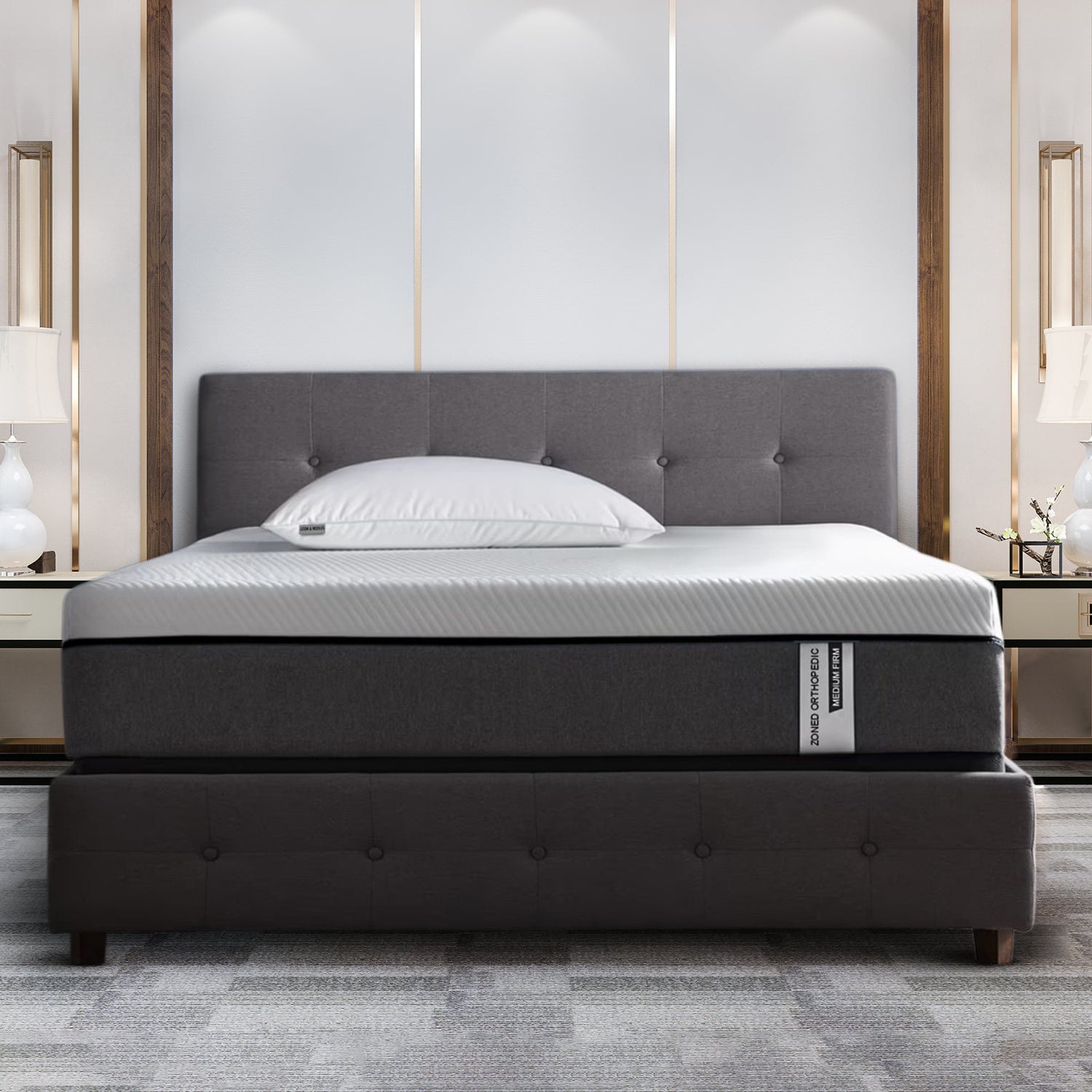
If you’ve ever woken up with a stiff back, sore shoulders, or that familiar feeling of “I slept, but I’m still tired,” you’re not alone. Many people experience discomfort during sleep and assume it’s just part of getting older, working long hours, or stress. But often, the real reason is much simpler: your mattress may not be supporting your body properly.
That’s where an orthopedic mattress comes into the picture.
But how do you actually know if you need one? Is it only for people with serious back problems? Or can anyone benefit from it? Let’s talk about this in a simple, honest, and human way so you can make the right decision for your comfort and health.
What Is an Orthopedic Mattress, Really?
An orthopedic mattress is designed to provide proper support to your spine, joints, and muscles while you sleep. Unlike regular mattresses that focus mainly on softness or plush comfort, an orthopedic mattress balances firmness and cushioning to keep your body aligned in a natural position.
In simpler words, it helps your body rest the way it’s meant to—without unnatural bending, sagging, or pressure buildup.
The Silent Signals Your Body Is Sending
Your body is very good at telling you when something isn’t right—you just have to listen.
Here are some common signs that may indicate you need an orthopedic mattress:
1. You Wake Up with Back Pain
If your morning starts with back pain that slowly fades as the day goes on, it’s a strong sign your mattress isn’t offering enough support. An orthopedic mattress helps maintain proper spinal alignment, reducing strain on your lower back.
2. You Feel Stiff After Sleeping
Waking up stiff—especially in the neck, shoulders, or hips—often means your body stayed in awkward positions all night. A supportive orthopedic mattress allows muscles to relax fully, helping you wake up more flexible and comfortable.
3. You Toss and Turn Constantly
If you keep changing positions because you can’t get comfortable, your mattress may not be distributing your weight evenly. An orthopedic mattress minimizes pressure points, letting you settle into deeper, uninterrupted sleep.
4. You Feel Tired Even After 7–8 Hours of Sleep
When your mattress fails to support your body, your muscles remain slightly tense throughout the night. This prevents deep rest. A properly designed orthopedic mattress promotes relaxation and recovery.
Who Benefits Most from an Orthopedic Mattress?
While anyone can enjoy better sleep on an orthopedic mattress, certain people benefit even more:
People with Back or Neck Pain
An orthopedic mattress offers targeted support that reduces strain on sensitive areas, helping ease discomfort over time.
Desk Job Professionals
Long hours of sitting often lead to poor posture and spinal stress. Sleeping on an orthopedic mattress helps counterbalance these effects.
Seniors
As we age, joint stiffness and muscle weakness become more common. An orthopedic mattress provides stable support for comfortable sleep.
Athletes and Active Individuals
After physical exertion, muscles and joints need proper recovery. An orthopedic mattress supports natural healing and relaxation.
Is an Orthopedic Mattress Only for Medical Conditions?
This is one of the biggest myths.
You don’t need a medical diagnosis to choose an orthopedic mattress. In fact, many people use it as a preventive solution to avoid future posture and spinal issues.
Think of it like wearing good shoes. You don’t wait for foot pain before choosing proper footwear—you choose them to prevent problems.
How an Orthopedic Mattress Supports Your Body
Here’s what happens when you sleep on an orthopedic mattress:
-
Your spine stays in a neutral position
-
Pressure is evenly distributed
-
Muscles relax fully
-
Joints receive balanced support
-
Circulation improves
This leads to:
-
Better posture
-
Less pain
-
Deeper sleep
-
Improved recovery
Signs Your Current Mattress Might Be the Problem
Sometimes, it’s not your body—it’s your mattress.
Ask yourself:
-
Is my mattress sagging in the middle?
-
Is it more than 7–8 years old?
-
Do I sleep better in hotels or guest beds?
-
Does my mattress feel uneven or lumpy?
If you answered yes to any of these, it may be time to switch to an orthopedic mattress.
How Firm Should an Orthopedic Mattress Be?
Contrary to popular belief, orthopedic mattresses are not rock-hard.
They are typically medium-firm, offering the perfect balance between comfort and support. This firmness:
-
Prevents your body from sinking too deep
-
Maintains natural alignment
-
Reduces pressure on joints
Will It Feel Uncomfortable at First?
Your body might take 1–2 weeks to adjust, especially if you’re switching from a very soft mattress. This adjustment period is normal as your spine realigns.
Most people report significant improvements in comfort after the initial adaptation phase.
How to Test If You Need an Orthopedic Mattress
Here’s a simple self-check:
-
Lie flat on your back.
-
Ask someone to slide their hand under your lower back.
-
If there’s a big gap or too much pressure, your mattress may not be supporting you correctly.
While this isn’t a medical test, it gives you a basic idea of your mattress’s effectiveness.
Emotional and Mental Benefits of Better Sleep
Better sleep doesn’t just improve physical health—it boosts mental well-being too.
Sleeping on an orthopedic mattress can help:
-
Reduce stress
-
Improve focus
-
Stabilize mood
-
Enhance productivity
Good sleep affects every aspect of life.
Final Thoughts
If your body is sending signals of discomfort, poor sleep quality, or fatigue, it may be time to consider an orthopedic mattress. You don’t need to wait for serious pain to make the switch—sometimes, prevention is the best cure.
An orthopedic mattress supports your spine, relieves pressure, and helps your body truly rest, night after night.
Listen to your body. It knows what it needs.


 Jamboree India
 Ldesign Media