Jeena Sikho HiiMS Hospital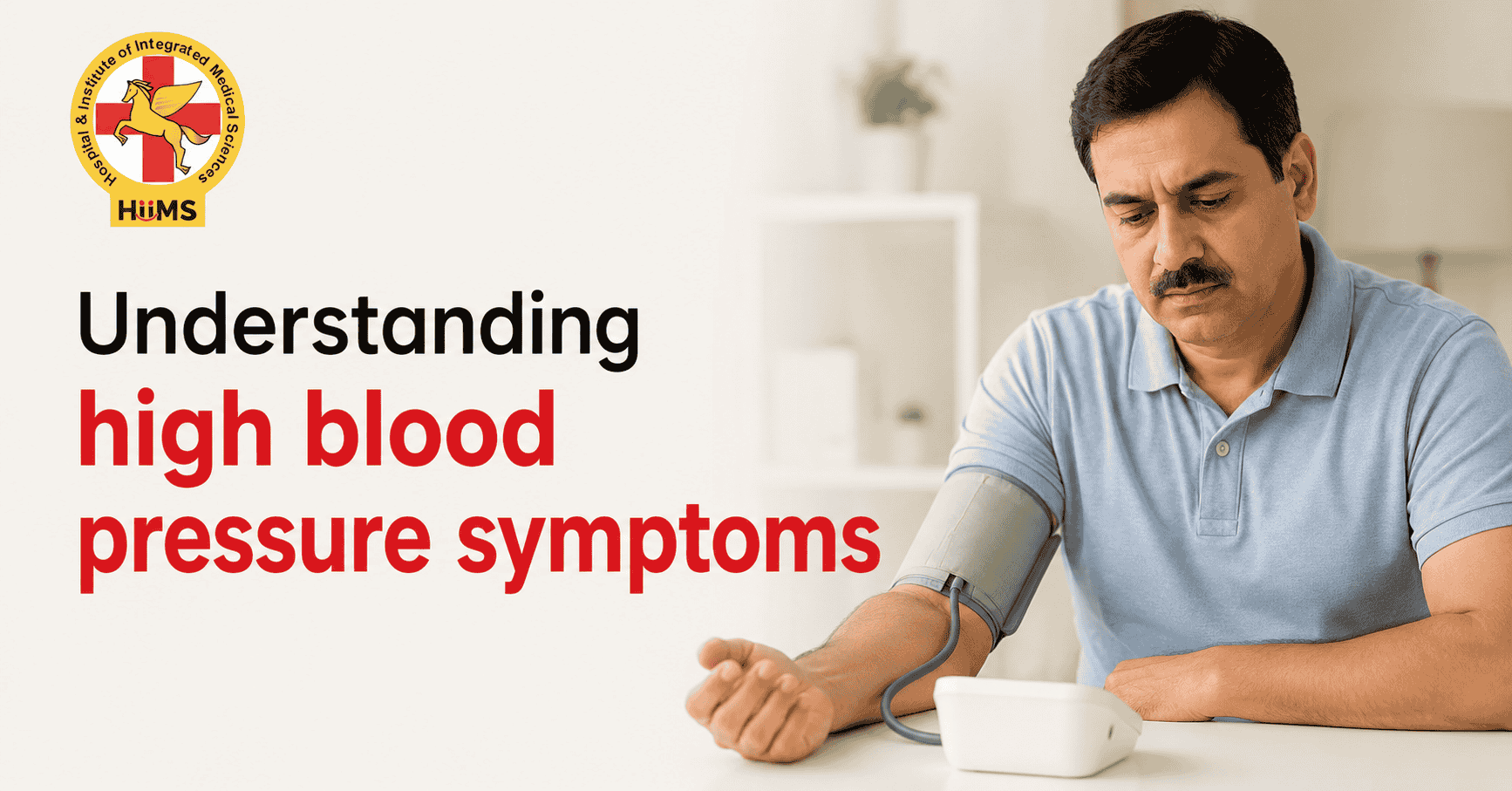
High blood pressure, also called hypertension, is one of the most common health problems today. The biggest challenge is that many people do not realize they have it because it often develops without clear warning signs. This is why it is known as the “silent killer.” Even if you feel healthy, your blood pressure may already be higher than normal.
Understanding high blood pressure symptoms can help you recognize possible warning signs and seek medical advice before serious complications develop. In this blog, we will explain the common symptoms, causes, risk factors, and simple ways to protect your heart.
What Is High Blood Pressure?
Blood pressure is the force of blood pushing against the walls of your arteries. When this pressure stays too high for a long time, it is called high blood pressure or hypertension.
Over time, uncontrolled high blood pressure can damage the heart, brain, kidneys, and eyes. Regular blood pressure checks are the only reliable way to know whether your blood pressure is within a healthy range.
Does High Blood Pressure Always Cause Symptoms?
No. Most people with high blood pressure do not experience any symptoms, especially in the early stages. That is why regular health check-ups are so important.
However, when blood pressure becomes very high or remains uncontrolled for a long period, some people may notice high blood pressure symptoms that should never be ignored.
Common High Blood Pressure Symptoms
Although these symptoms do not always mean you have hypertension, they may indicate that your blood pressure needs to be checked.
1. Frequent Headaches
Persistent headaches, especially in the morning, can sometimes be linked to very high blood pressure. If headaches become frequent or severe, consult a healthcare professional.
2. Dizziness
Feeling lightheaded or dizzy occasionally may happen for many reasons, but repeated dizziness along with other high blood pressure symptoms should not be ignored.
3. Blurred Vision
High blood pressure can affect the tiny blood vessels in the eyes. Blurred vision or changes in eyesight may be a warning sign that requires medical attention.
4. Shortness of Breath
Difficulty breathing while doing normal daily activities may occur when the heart is under extra strain due to uncontrolled blood pressure.
5. Chest Pain
Chest discomfort or pain should always be treated as a medical emergency. It may be related to heart problems caused by uncontrolled high blood pressure.
6. Nosebleeds
Frequent nosebleeds are not common symptoms of hypertension, but they may occur when blood pressure becomes extremely high.
7. Fatigue
Feeling unusually tired without a clear reason may sometimes be associated with long-term uncontrolled blood pressure, especially if other symptoms are also present.
8. Irregular Heartbeat
Some people may notice a racing, pounding, or irregular heartbeat. This should be evaluated by a healthcare provider as soon as possible.
Who Is More Likely to Develop High Blood Pressure?
Several factors increase the risk of hypertension, including:
- Family history of high blood pressure
- Eating too much salt
- Being overweight
- Lack of physical activity
- Smoking
- Drinking too much alcohol
- Long-term stress
- Poor sleep habits
- Diabetes or kidney disease
- Growing older
Having one or more of these risk factors does not guarantee hypertension, but it does increase your chances.
How Is High Blood Pressure Diagnosed?
The only accurate way to know whether you have high blood pressure is to measure it using a blood pressure monitor.
Doctors usually recommend checking your blood pressure on different days before confirming a diagnosis. In some cases, home blood pressure monitoring or 24-hour monitoring may also be advised.
If your readings remain consistently high, your doctor will recommend the most appropriate treatment plan.
What Happens If High Blood Pressure Is Left Untreated?
Ignoring high blood pressure symptoms or delaying treatment can increase the risk of serious health problems, such as:
- Heart attack
- Stroke
- Heart failure
- Kidney damage
- Vision problems
- Memory and thinking difficulties
The good news is that these complications can often be prevented with early diagnosis and proper management.
Simple Ways to Manage High Blood Pressure
Healthy lifestyle changes can make a big difference in controlling blood pressure.
Here are some simple habits that support heart health:
- Eat more fresh fruits and vegetables.
- Reduce salt and processed foods.
- Stay physically active.
- Maintain a healthy weight.
- Get enough sleep every night.
- Practice stress management through yoga, meditation, or deep breathing.
- Avoid smoking and limit alcohol intake.
- Monitor your blood pressure regularly.
These habits not only help manage blood pressure but also improve your overall health.
When Should You See a Doctor?
You should seek medical advice if you:
- Have repeated headaches or dizziness
- Notice blurred vision
- Experience chest pain or shortness of breath
- Have consistently high blood pressure readings
- Have a family history of hypertension
- Are over 40 years of age and have never had your blood pressure checked
Early diagnosis allows timely treatment and reduces the risk of serious complications.
Why Choose Jeena Sikho HiiMS for Holistic Blood Pressure Care
At Jeena Sikho HiiMS, we believe that long-term health begins by addressing the root cause of disease rather than simply managing symptoms. Our integrated approach combines Ayurveda, lifestyle guidance, nutrition, yoga, and natural therapies with modern medical evaluation to support overall well-being. The hospital also emphasizes personalized care plans, healthy eating, stress management, and regular monitoring to help patients improve their quality of life.
Conclusion
High blood pressure often develops silently, making regular blood pressure checks essential for everyone, especially adults over 40 or those with risk factors. While high blood pressure symptoms such as headaches, blurred vision, dizziness, and chest pain may appear in some people, many experience no symptoms at all. By adopting healthy habits, monitoring your blood pressure regularly, and seeking timely medical advice, you can protect your heart and reduce the risk of serious health complications. Early awareness is the first step toward better health.


 Atharv Rishikesh
 Enfield Royal Clinic Enfieldroyalclinicad