enfield abudhabi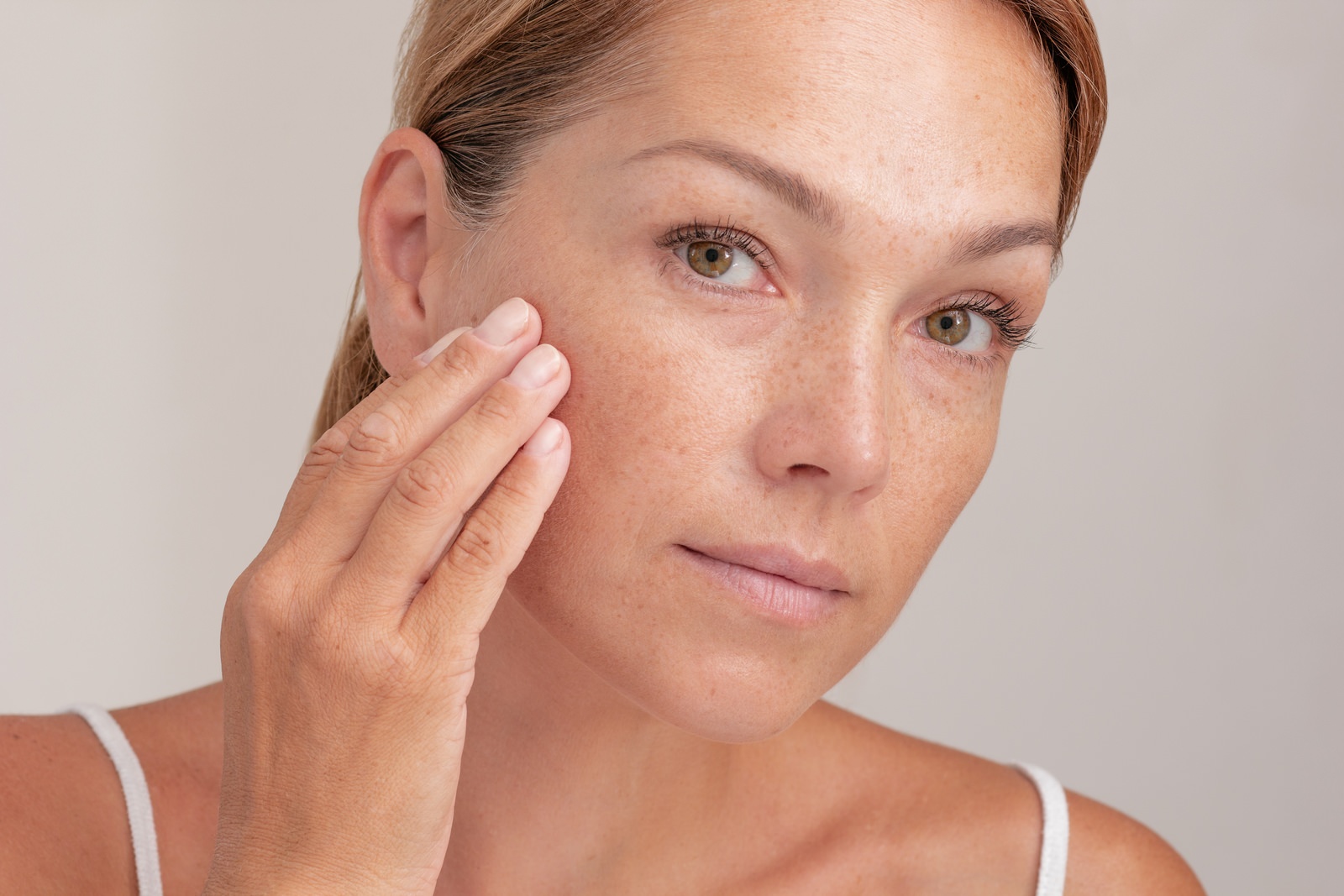
Melasma is a common skin condition characterized by patches of hyperpigmentation, often appearing on the face. Managing this condition is a journey rather than a single event, and many individuals seek Melasma Treatment in Abu Dhabi to achieve a more uniform complexion.
-
Melasma presents as dark, discolored patches often triggered by hormones or sun exposure.
-
Effective management requires a long-term approach to pigmentation control.
-
Professional guidance is essential for navigating the various available therapies.
The Nature of Melasma and Why It Occurs
Melasma is a chronic skin disorder that manifests as brown or gray-brown patches, typically on the cheeks, forehead, bridge of the nose, and chin. It is significantly more prevalent in women, often surfacing during reproductive years. The condition is deeply linked to the activity of melanocytes—the cells responsible for producing melanin. When these cells become overactive due to specific triggers, they produce excess pigment, resulting in the visible darkening of the skin.
-
Melanocytes are the root cause of hyperpigmentation when they overproduce melanin.
-
Hormonal fluctuations, such as those occurring during pregnancy or through the use of hormonal contraceptives, are primary drivers.
-
UV radiation from the sun is the most potent external factor that stimulates pigment production.
-
Heat and inflammation can also exacerbate the condition, making sun protection a non-negotiable part of daily life.
The Core Philosophy of Melasma Treatment
Treating melasma is centered on two primary goals: decreasing the production of new pigment and fading the existing discoloration. Because there is no singular “cure” that works for everyone, a multifaceted approach is usually the most effective. This involves a combination of topical agents, lifestyle adjustments, and, in some cases, professional procedures designed to improve skin texture and tone.
-
Inhibiting the enzyme tyrosinase is the primary mechanism for stopping new pigment formation.
-
Topical medications help regulate cell turnover and brighten the skin surface over time.
-
Consistency is the most vital component, as results are rarely immediate.
-
A personalized plan must account for the specific skin type and the depth of the pigmentation.
Topical Approaches to Pigmentation Management
Topical treatments remain the cornerstone of melasma management. These formulations are specifically designed to address the pigment-producing process directly at the source. Dermatologists often favor combination therapies that leverage the strengths of multiple ingredients to provide comprehensive results.
-
Hydroquinone is widely recognized as a gold standard ingredient due to its powerful ability to inhibit pigment production.
-
Retinoids are frequently included in treatment protocols to accelerate skin cell turnover, which helps shed hyperpigmented cells.
-
Azelaic acid and kojic acid serve as effective alternatives or adjunctive treatments that are often gentler on the skin.
-
Triple combination creams, which blend different agents, are often used to target melasma through multiple pathways simultaneously.
The Role of Professional Procedures
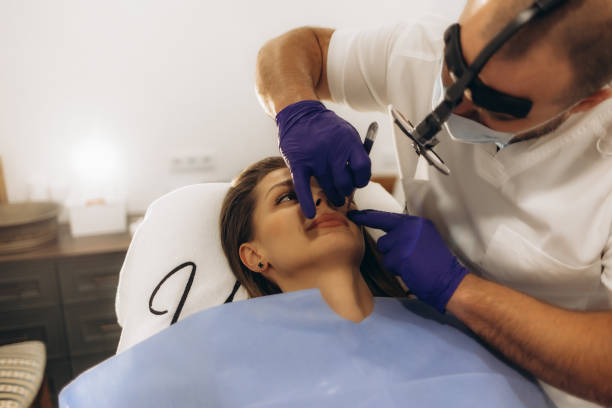
When topical treatments alone are not sufficient, professional dermatological procedures can provide additional support. These treatments are intended to be used in conjunction with a steady skincare routine rather than as standalone solutions. By carefully resurfacing the skin or using targeted energy, these methods can help fade stubborn patches.
-
Chemical peels use exfoliating acids to remove the outer layers of the skin, gradually revealing a more even complexion.
-
Microneedling creates micro-channels in the skin, which can improve the absorption of topical treatments and stimulate healthier cell growth.
-
Laser therapy must be approached with caution and expertise, as the heat generated can sometimes trigger further pigment production if not performed correctly.
-
The effectiveness of any procedure is highly dependent on the patient’s commitment to post-procedure sun protection.
Sun Protection: The Foundation of Success
Regardless of the treatments used, none will be fully effective without strict sun protection. UV rays are the most significant trigger for melasma, and even incidental exposure can cause a relapse of the condition. Therefore, protecting the skin is not just a preventative measure; it is an active part of the treatment itself.
-
Broad-spectrum sunscreen with an SPF of 30 or higher is mandatory for daily use.
-
Physical blockers like zinc oxide and titanium dioxide are often preferred for their ability to block both UVA and UVB rays.
-
Wide-brimmed hats and sunglasses provide additional physical barriers against environmental damage.
-
Consistent reapplication of sunscreen throughout the day is essential to maintain a protective shield.
Managing Expectations for Long-Term Results
One of the most important aspects of Melasma Treatment in Abu Dhabi is understanding that management is a marathon, not a sprint. Because melasma is a chronic condition, “cure” is not always a realistic outcome. However, significant, long-lasting improvement is entirely achievable with patience and the right strategy. The focus should be on skin health, stability, and maintaining the results achieved through professional guidance.
-
Expect to see gradual progress over several months rather than immediate transformation.
-
Recurrence is common if sun protection or trigger management is relaxed.
-
A long-term maintenance phase is often necessary to keep the skin clear once the initial goals are met.
-
Regular check-ins with a professional help adjust the treatment plan as the skin’s needs evolve over time.
Frequently Asked Questions
Is there a permanent cure for melasma?
No, there is currently no permanent cure for melasma. It is a chronic condition that can recur even after successful treatment. However, it can be effectively controlled and managed long-term through consistent skincare, strict sun protection, and professional treatments.
How long does it take to see results from treatment?
Visible improvement in melasma typically takes anywhere from 3 to 12 months. Because the process involves the skin’s natural cell turnover cycle, patience is required. Consistent adherence to the prescribed regimen is the fastest way to achieve noticeable results.
Why does melasma often come back after treatment?
Melasma often returns because the underlying triggers—such as UV exposure, hormonal fluctuations, or heat—remain present. Since the melanocytes in the affected areas remain sensitive, any renewed exposure to these triggers can cause the hyperpigmentation to reappear.
Can I use over-the-counter products for melasma?
While some over-the-counter products containing ingredients like vitamin C or niacinamide may help with mild hyperpigmentation, medical-grade treatments are generally more effective for true melasma. It is always best to consult a professional to ensure that the products you use are appropriate for your specific skin concerns and will not cause further irritation.

 Enfield Abu dhabi
 HiiMSHospital Chandigarh