Rohit Verma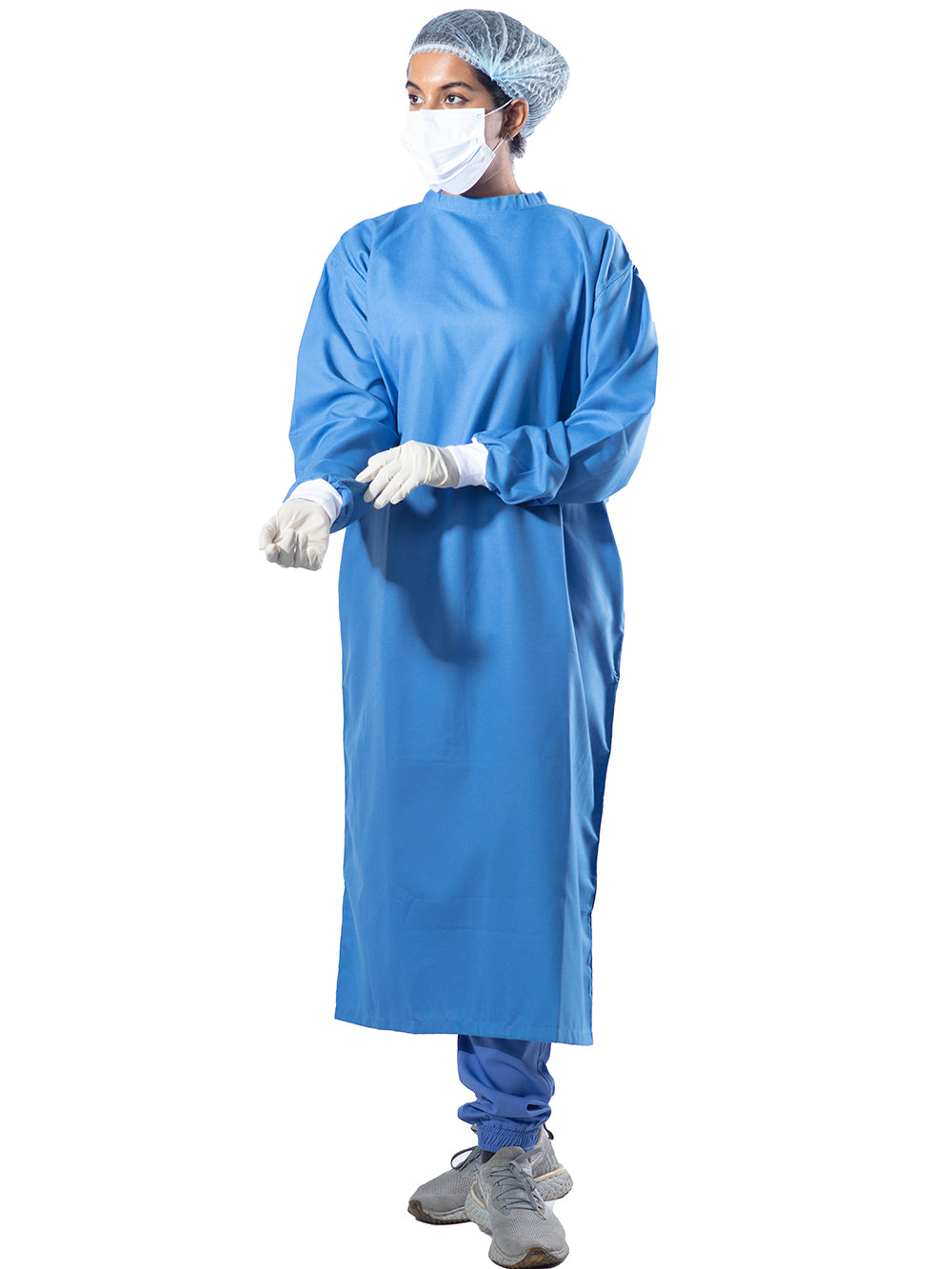
When you walk into an operation theatre, everything you see is designed for one purpose—safety. From sterilized instruments to carefully controlled environments, every detail matters. Among these essentials, one item quietly plays a critical role in protecting both doctors and patients: the surgical gown.
It might look like just another piece of medical clothing, but a surgical gown is actually a key part of infection control. It acts as a barrier, a shield, and a support system during procedures. Let’s break this down in a simple, real-world way to understand how a surgical gown helps maintain safety during surgery.
Why Protection Is So Important During Surgery
During any surgical procedure, the body is exposed, and even a small contamination risk can lead to complications. Hospitals follow strict protocols to ensure:
- Sterile environments
- Controlled exposure
- Minimal bacterial transfer
- Safe interaction between staff and patients
This is where the surgical gown becomes essential. It forms a protective layer between the healthcare professional and the patient.
What Is a Surgical Gown?
A surgical gown is a specialized garment worn by surgeons, doctors, and operating room staff during procedures. It is designed to provide full coverage and act as a barrier against fluids, bacteria, and contaminants.
Unlike regular hospital clothing, a surgical gown is specifically made for sterile environments. It includes features like:
- Full sleeve coverage
- Secure tie or snap closures
- Fluid-resistant fabric
- Lightweight and breathable construction
These features work together to maintain safety without compromising comfort.
Acts as a Barrier Against Contamination
The most important role of a surgical gown is protection.
During surgery, doctors may come into contact with:
- Blood
- Bodily fluids
- Surgical tools
- Airborne particles
A surgical gown prevents these elements from passing through to the skin or clothing underneath.
This barrier works both ways:
- It protects the doctor from exposure
- It protects the patient from external contamination
This dual protection is critical in maintaining a sterile surgical environment.
Prevents Cross-Contamination
Cross-contamination is one of the biggest risks in surgery.
A surgical gown helps reduce this risk by:
- Covering the body completely
- Preventing outside clothing from exposure
- Acting as a controlled sterile layer
- Minimizing transfer of bacteria
In an operation theatre where multiple professionals are working together, this becomes extremely important.
Supports Sterile Environment in Operation Theatres
The operation theatre is one of the most controlled environments in a hospital.
Every person entering the OT must wear proper protective gear, including a surgical gown, gloves, masks, and caps.
The gown ensures that:
- Staff maintain sterile conditions
- External contaminants are kept out
- The surgical field remains protected
Without proper gowns, maintaining sterility would be much more difficult.
Protects Doctors During Procedures
Surgeries can be unpredictable, and doctors are often exposed to fluids and biological material.
A surgical gown protects doctors by:
- Acting as a shield against splashes
- Reducing exposure to harmful substances
- Preventing direct skin contact
This protection is essential for the safety and well-being of healthcare professionals.
Protects Patients from External Contamination
While protecting doctors is important, the surgical gown is equally important for patient safety.
Patients undergoing surgery are vulnerable, and their bodies are exposed to infection risks.
The gown helps by:
- Preventing bacteria from the doctor’s clothing or skin
- Maintaining a clean surgical field
- Reducing the chances of surgical site infections
This makes the surgical gown a critical part of patient protection.
Designed for Comfort During Long Surgeries
Surgeries can last several hours, so comfort is essential.
A good surgical gown is designed to:
- Be lightweight
- Allow easy movement
- Provide breathability
- Prevent overheating
When doctors are comfortable, they can focus better on the procedure.
Helps Maintain Hygiene Standards
Hospitals follow strict hygiene protocols, and clothing plays a big role.
A surgical gown supports these standards by being:
- Easy to sterilize (for reusable gowns)
- Single-use (for disposable gowns)
- Designed for clean and safe handling
This ensures that hygiene is maintained throughout the surgical process.
Reusable vs Disposable Surgical Gown
There are two main types of surgical gown used in hospitals:
Reusable Gowns
- Made from durable fabric
- Can be washed and sterilized
- Cost-effective in the long run
Disposable Gowns
- Used once and discarded
- Provide high-level hygiene
- Ideal for high-risk procedures
Both types serve the same purpose—protection.
Importance of Fabric and Design
The effectiveness of a surgical gown depends heavily on its fabric and construction.
High-quality gowns offer:
- Fluid resistance
- Strong stitching
- Proper coverage
- Comfortable fit
These features ensure that the gown performs well under real surgical conditions.
Why Quality Matters
Not all gowns provide the same level of protection.
A low-quality surgical gown may:
- Tear easily
- Allow fluid penetration
- Lose effectiveness after washing
A high-quality gown ensures consistent safety and performance.
Small Details, Big Impact
In healthcare, small details matter.
The design of a surgical gown—from sleeve cuffs to tie closures—affects how effectively it performs.
Even something as simple as a secure tie can prevent accidental exposure during a procedure.
These small details collectively contribute to a safer surgical environment.
Final Thoughts
A surgical gown may seem like a simple garment, but it plays a vital role in protecting both doctors and patients during surgery.
It acts as a barrier against contamination, supports sterile environments, and ensures safety in one of the most critical areas of healthcare.
In a place where precision and hygiene are everything, the surgical gown is not optional—it is essential.
By choosing high-quality gowns, hospitals can improve safety, comfort, and overall surgical outcomes.

 Dynamic Life Clinics
 Dynamic Life Clinics Dubai