Cali Coast Electric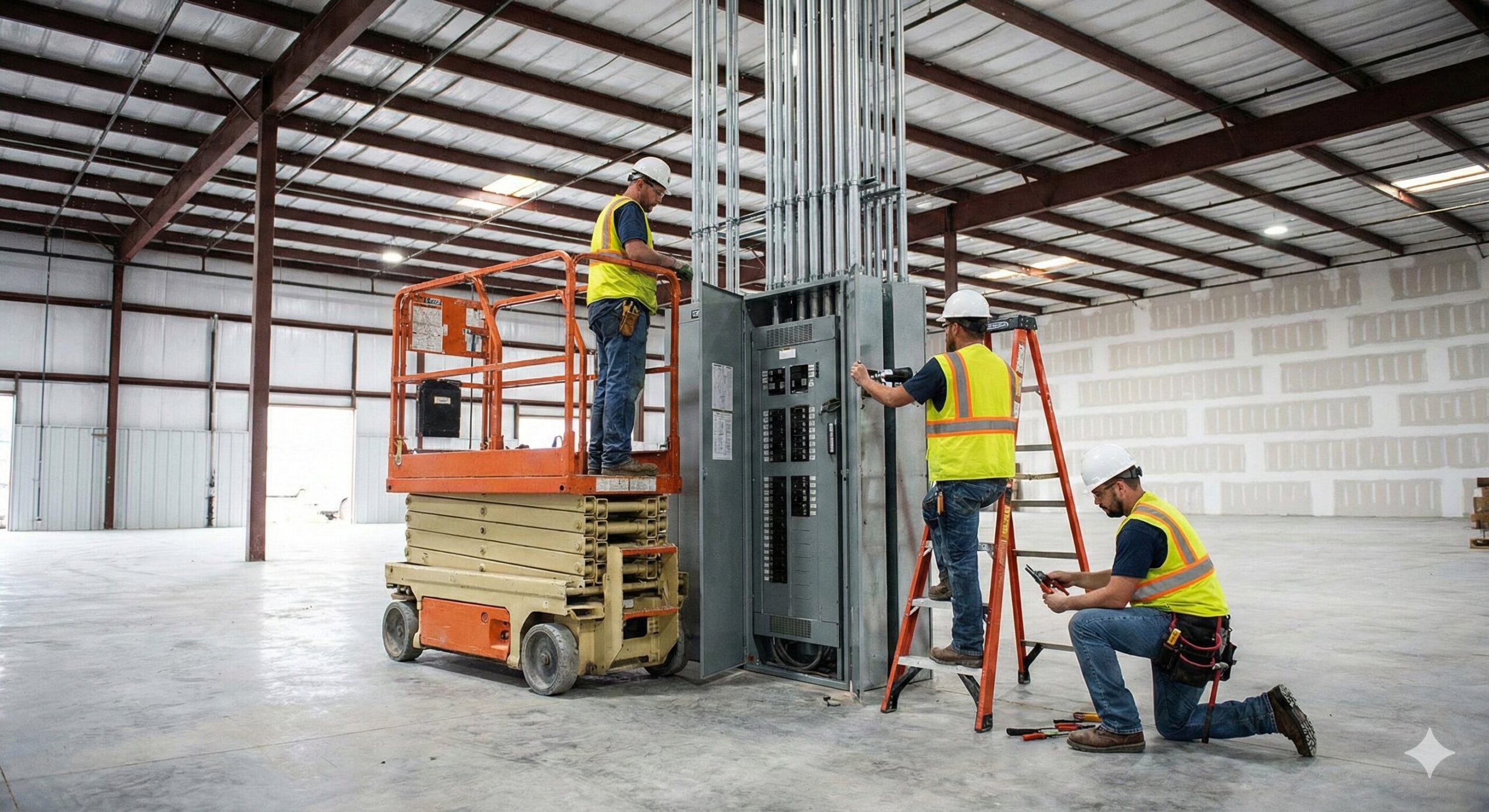
When you are managing a commercial construction project or upgrading the electrical infrastructure of an existing facility, the stakes are incredibly high. Unlike residential wiring, commercial electrical systems deal with massive power loads, complex distribution networks, and stringent safety codes. A single mistake can lead to catastrophic equipment failure, severe safety hazards, or costly project delays that eat into your bottom line. That is why finding the right electrical contractor isn’t just a box to check—it is one of the most critical decisions you will make for your business.
If you are operating in Southern California, partnering with top-tier professionals is essential to navigate local building codes and energy efficiency standards. Choosing the premier Commercial Electricians Ontario ensures your project is completed safely, on time, and strictly within budget. But with so many contractors vying for your business, how do you separate the industry leaders from the rest? Here is a comprehensive guide on what to look for when hiring a commercial electrician for your next project.
1. Verify Proper Licensing and Credentials
In the United States, and particularly in California, electrical work is heavily regulated to protect consumers and property. You should never hire an electrician who cannot provide proof of their active C-10 Electrical Contractor license. This license, issued by the Contractors State License Board (CSLB), mandates that the contractor has a minimum of four years of journeyman-level experience and has passed rigorous law, business, and trade examinations.
Furthermore, ensure that the electricians actually performing the work on your site are state-certified. Unlicensed work not only puts your property at risk of electrical fires and system failures but also voids your commercial property insurance. A reputable contractor will proudly display their license number and provide documentation upon request.
2. Assess Their Specific Commercial Experience
It is a common misconception that all electricians possess the same skill set. In reality, residential and commercial electrical work are two entirely different beasts. Commercial facilities utilize three-phase power systems, high-voltage equipment, and complex conduit networks that residential workers rarely encounter.
When evaluating potential candidates, ask about their portfolio of past commercial projects. Have they worked on facilities similar to yours, whether that is a sprawling retail center, an industrial warehouse, or a high-tech office building? You want a contractor who understands how to handle heavy load calculations, implement energy-efficient smart lighting, and integrate advanced HVAC electrical systems seamlessly.
Experience translates to efficiency, meaning an experienced commercial crew will foresee potential setbacks and solve them before they cause delays. Furthermore, a commercial specialist will understand how to work around your business hours. Whether that means scheduling power shutdowns during the graveyard shift or coordinating seamlessly with other trades on a busy construction site, their goal is to minimize downtime so your operations can continue without a hitch.
3. Demand Proof of Comprehensive Insurance
Commercial construction sites are inherently risky environments. Even with the strictest safety protocols in place, accidents can happen. If an uninsured or underinsured electrician gets injured on your property, or if their work causes damage to your building, you could be held financially liable.
Before signing any contracts, ask the contractor to provide a Certificate of Insurance (COI). The absolute minimum requirements include:
- General Liability Insurance: Protects your property against damage caused by the contractor’s operations (experts recommend at least $1 million in coverage).
- Workers’ Compensation Insurance: Covers medical expenses and lost wages if an electrician is injured while working on your site. In California, this is legally required for any contractor with employees.
Partnering with a highly professional team of Commercial Electricians Ontario guarantees that you are fully protected from these legal and financial liabilities from day one.
4. Scrutinize Safety Records and Protocols
Safety is non-negotiable in the electrical trade. High-voltage commercial systems pose severe risks, including arc flashes and electrocution. When interviewing contractors, inquire about their internal safety programs.
5. Read Reviews and Call Past References
In today’s digital age, it is easier than ever to vet a company’s reputation. Start by checking their ratings on Google, Yelp, and the Better Business Bureau (BBB). Look for consistent patterns in the reviews. Do clients frequently praise their punctuality, cleanliness, and problem-solving skills? Conversely, are there recurring complaints about hidden fees, missed deadlines, or poor communication?
Take it a step further by asking the contractor for a list of professional references. Speaking directly with past clients provides invaluable insights into what it is actually like to work with the company. Ask these references if the project was completed on budget, if the communication was clear, and if they would hire the contractor again.
6. Evaluate Their Communication and Quote Transparency
The foundation of any successful construction partnership is clear, transparent communication. From your very first phone call, pay attention to how the contractor treats you. Are they responsive? Do they take the time to answer your questions and explain complex electrical concepts in a way you can understand?
When it comes to the bidding process, beware of quotes that seem too good to be true. Exceptionally low bids often indicate that the contractor is cutting corners, using subpar materials, or planning to tack on hidden fees once the project is underway. A trustworthy commercial electrician will provide a detailed, itemized estimate that breaks down the costs of labor, materials, permits, and equipment. They will walk you through the quote line by line so you know exactly where your investment is going.
Your relationship with a commercial electrical contractor shouldn’t end the moment the installation is complete. Electrical systems require ongoing maintenance, testing, and occasional troubleshooting to perform optimally.
When choosing your contractor, look for a company that offers comprehensive after-sales support and preventative maintenance plans. Commercial electrical systems degrade over time due to heat, continuous use, and environmental factors. Preventative maintenance—such as infrared thermography scanning to detect hot spots in circuit breakers before they fail—can save your business thousands of dollars in emergency downtime. Having a reliable team on speed dial who already knows the intricacies of your building’s wiring is an absolute lifesaver when you encounter an unexpected power issue or need emergency repairs. A dedicated electrical partner will keep your systems compliant with ever-evolving state energy codes, ensuring you avoid fines while maximizing energy efficiency.
Conclusion
Upgrading or installing a commercial electrical system is a massive undertaking that directly impacts the safety, efficiency, and profitability of your business. By taking the time to verify licenses, demand proper insurance, assess commercial-specific experience, and prioritize transparent communication, you safeguard your investment.
Never settle for second best when it comes to the power that keeps your business running. Trusting the leading Commercial Electricians Ontario ensures that your electrical infrastructure is robust, code-compliant, and built to handle your company’s future growth.
Are you ready to power up your next commercial project with unparalleled expertise and service? Reach out to the industry leaders today to discuss your blueprints and operational needs.
Contact Cali Coast Electric at (951) 233-4113 to schedule your comprehensive consultation.
Source URL: How to Choose the Best Commercial Electricians Ontario for Your Project


 nikita pawar
 Dynamic Technology