aosom usa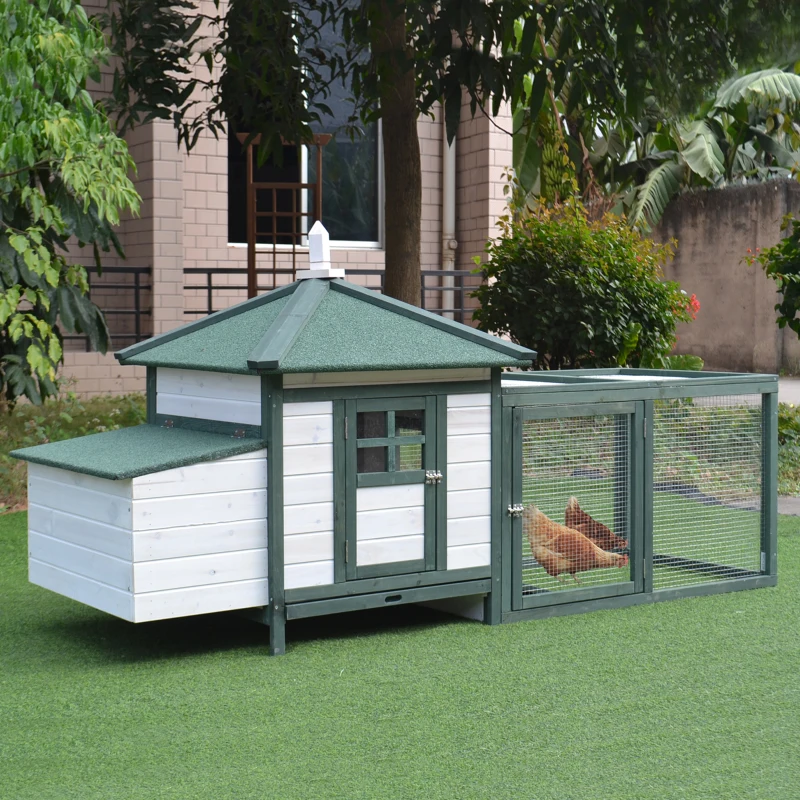
Before diving into the specifics, it’s important to understand that your chickens’ living space will directly affect their well-being. A chicken coop serves as their home, providing safety from predators, a place to lay eggs, and a secure environment to sleep and socialize. Whether you’re a seasoned chicken keeper or a beginner, choosing the right coop can be a challenging yet exciting task. With so many options available, how do you know which one will best suit your flock’s needs? Let’s explore the essential factors you should consider when choosing the right chicken coop for your backyard.
1. Size of the Coop
The size of your chicken coop will depend largely on the size of your flock. It’s crucial to ensure that each chicken has enough space to move freely, roost, and lay eggs without feeling cramped. Overcrowding can lead to stress, aggression, and health problems.
-
Space Requirements: Each chicken needs at least 2 to 3 square feet of floor space inside the coop and at least 8 to 10 square feet of outdoor space in a run. If you plan on having a larger flock, you’ll need a bigger coop and run.
-
Extra Space for Movement: Chickens need to stretch their wings, dust bathe, and exercise. If you have a larger backyard, consider opting for a larger coop to provide ample space for your chickens to roam and engage in natural behaviors.
-
Planning for Expansion: If you’re thinking of growing your flock in the future, plan ahead and choose a coop with room for additional chickens. Adding extra nesting boxes and roosting bars is easier if you have a spacious coop.
2. Material and Durability
The material of your chicken coop will determine its longevity, maintenance needs, and how well it can withstand weather conditions.
-
Wooden Coops: Wooden coops are a popular choice because of their natural insulation properties. They help regulate the internal temperature of the coop, keeping chickens warm in winter and cool in summer. However, wood can deteriorate over time if not properly treated and maintained.
-
Metal or Plastic Coops: Metal coops (usually galvanized steel) and plastic coops are more durable and weather-resistant than wood. They are easier to clean, but may lack the insulation of wooden coops. These materials are also more resistant to pests like mites and lice.
-
Maintenance: Consider how much time and effort you’re willing to spend on maintaining your coop. Wooden coops may require periodic painting or sealing, while plastic and metal coops typically require less maintenance but may not provide the same level of insulation.
3. Ventilation and Airflow
Good ventilation is crucial for the health of your chickens. Without proper airflow, the coop can become too humid, leading to respiratory issues and an uncomfortable environment for your flock.
-
Ventilation Windows: Make sure the coop has windows or vents that can be adjusted to regulate airflow. These should be positioned high up to avoid drafts, which could lead to chills or respiratory problems in the chickens.
-
Air Circulation: A well-ventilated coop prevents the buildup of ammonia from chicken droppings and helps keep the air fresh. Poor ventilation can also increase the risk of mold and mildew, which is harmful to chickens.
4. Protection from Predators
Your chickens need to be safe from predators like raccoons, foxes, coyotes, and even neighborhood dogs. A secure coop will help protect them when you’re not around.
-
Strong Locking Mechanisms: Make sure the doors and windows of the coop are fitted with secure locks. Many predators are very skilled at getting into coops, so a simple latch may not be enough. Look for locks that can be easily operated by you but are difficult for predators to open.
-
Wire Mesh and Flooring: The coop should be surrounded by sturdy wire mesh with small enough gaps (½ inch or less) to prevent predators from reaching through. Additionally, consider using a solid floor or placing the coop on concrete to prevent predators from digging underneath.
-
Safe Nesting Boxes: Make sure the nesting boxes are well-secured and placed in a way that prevents predators from accessing them, even when the chickens are inside.
5. Ease of Cleaning
A clean coop is essential for the health of your chickens. Regular cleaning helps prevent diseases, parasites, and odors from building up inside the coop.
-
Removable Trays and Litter Boxes: Look for coops with removable trays or litter boxes for easy cleaning. This makes it easier to change bedding, clean the floors, and maintain a hygienic environment for your chickens.
-
Access Points: Coops with wide doors, windows, or hinged roofs are easier to access for cleaning. A coop that’s difficult to clean will result in more work for you and could affect your chickens’ health.
6. Climate Considerations
The climate in your area will influence the type of chicken coop you should choose. Chickens are hardy animals, but they still need a comfortable environment to thrive.
-
Cold Climates: If you live in a colder area, insulation is key to keeping your chickens warm in winter. Wooden coops with good insulation, or coops with heated areas, will ensure your flock stays comfortable during the colder months.
-
Hot Climates: In hot climates, your chickens will need plenty of shade and airflow to stay cool. Choose a coop with good ventilation and a roof that provides shade. It’s also a good idea to place the coop in a shaded area of your yard.
7. Cost and Budget
The price of chicken coops can vary widely based on size, material, and features. While it’s tempting to go for a cheaper option, remember that your chickens’ health and safety should be your top priority.
-
Cheap vs. Quality: Investing in a higher-quality coop will save you money in the long run, as it will be more durable and require less maintenance. It’s better to spend a bit more on a coop that will last than to buy a cheap one that will need replacing within a year.
-
Additional Costs: Don’t forget to factor in the cost of accessories, such as feeders, waterers, bedding, and a chicken run. These items are essential for your chickens’ well-being and should be included in your budget.
Conclusion
Choosing the right chicken coop for your backyard flock is an essential step in ensuring the health, safety, and comfort of your chickens. Consider factors such as size, material, ventilation, predator protection, ease of cleaning, and climate when making your decision. While it may require an initial investment, a well-chosen chicken coop will provide long-term benefits, helping you to raise happy, healthy chickens. Take the time to evaluate your options carefully and select a coop that will meet both your needs and the needs of your flock.


 wolf7 pay
 jagdishe jaggu