kimmi pal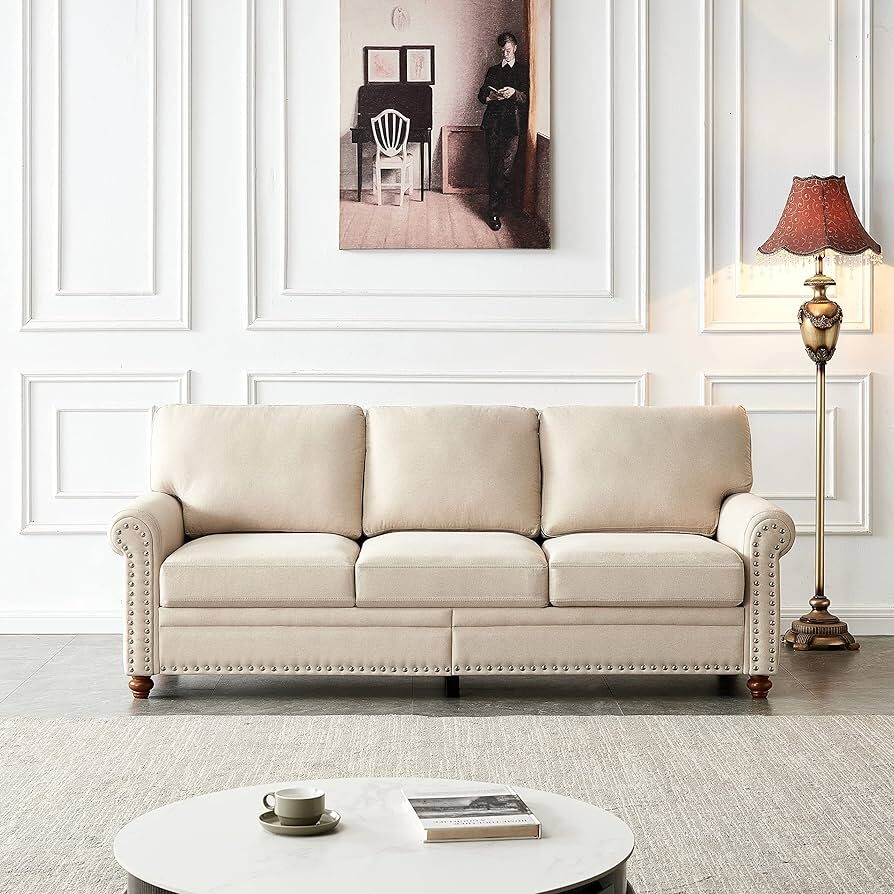
Blending traditional and modern furniture in one home is an art that balances heritage with innovation. When done thoughtfully, this fusion creates interiors that feel layered, timeless, and deeply personal. Instead of choosing between classic charm and contemporary simplicity, homeowners can enjoy the best of both worlds by mixing silhouettes, materials, and textures. Whether you live in a compact apartment or a spacious villa, learning how to harmonize contrasting furniture styles can transform your home into a sophisticated and inviting space.
This guide explores practical strategies to combine traditional and modern furniture seamlessly, with special attention to key seating elements such as a Living room seating Dubai style or a versatile Single Seater Sofa, which often become focal points in living areas.
Understanding Traditional and Modern Furniture Styles
Before mixing styles, it is essential to understand what defines them.
Traditional furniture is rooted in classic design principles. It often features ornate details, carved wood, rich finishes, and symmetrical forms. Upholstery may include patterns, textured fabrics, or deeper color palettes. Traditional pieces evoke warmth, history, and elegance.
Modern furniture, on the other hand, emphasizes clean lines, minimal ornamentation, and functional design. Materials such as metal, glass, and smooth wood finishes are common. Modern pieces favor neutral tones, open spaces, and simplicity.
The key to blending these styles lies not in forcing them together but in allowing each to complement the other.
Start with a Neutral Base
A neutral foundation is one of the most effective ways to combine traditional and modern furniture. Walls painted in whites, creams, greys, or soft beiges create a calm backdrop that allows contrasting furniture styles to coexist without clashing.
Neutral flooring, such as light wood, polished stone, or subtle tiles, also helps unify the space. With a neutral base, a classic wooden cabinet or a contemporary Living room seating Dubai design can sit comfortably in the same room without competing for attention.
Choose a Dominant Style
Rather than aiming for a perfect 50-50 balance, decide which style will dominate the space. This approach brings clarity and cohesion to the design.
For example, you might choose a modern base with sleek furniture forms and then layer in traditional accents such as antique side tables, classic lamps, or patterned rugs. Alternatively, a traditional room can be refreshed with modern seating, minimalist lighting, or contemporary artwork.
By selecting a dominant style, the secondary style becomes an accent that adds character instead of confusion.
Blend Through Color Coordination
Color is a powerful unifying tool when mixing furniture styles. Even if pieces differ in design era, a shared color palette can visually connect them.
Traditional furniture often comes in darker wood tones and richer hues, while modern furniture leans toward lighter neutrals. To bridge this gap, introduce colors that overlap both styles. For instance, warm greys, soft taupes, or muted blues work well with carved wooden pieces as well as streamlined sofas.
A Single Seater Living room seating in a neutral or earthy tone can act as a transitional piece, fitting comfortably between traditional and modern elements.
Use Seating as a Style Bridge
Seating plays a central role in any living space, making it an ideal category for blending styles.
A contemporary Living room seating Dubai design with clean lines can be paired with traditional cushions or throws featuring classic patterns. Conversely, a traditionally shaped Living room seating can be updated with modern upholstery or placed alongside minimalist coffee tables.
A Single Seater Sofa is particularly versatile. You can use it as an accent chair to introduce contrast. For example, a modern single seater placed next to a traditional wooden side table creates visual interest while maintaining balance. Alternatively, a classic single seater with curved arms can soften a modern living room dominated by straight lines.
Mix Materials Thoughtfully
Material contrast is another effective way to combine traditional and modern furniture. Traditional interiors often rely heavily on wood, while modern spaces introduce metal, glass, and polished surfaces.
Instead of choosing one over the other, mix them intentionally. A glass-top coffee table can sit beautifully in front of a carved wooden Living room seating frame. Metal lighting fixtures can add a contemporary edge to a room with traditional cabinets.
When mixing materials, aim for repetition. If you introduce metal in one area, echo it elsewhere through décor or hardware. This repetition helps the space feel cohesive rather than fragmented.
Balance Shapes and Silhouettes
Traditional furniture is known for curves and ornamentation, while modern furniture favors straight lines and geometric forms. Balancing these shapes is crucial.
If your Living room seating Dubai selection has a sleek, boxy silhouette, consider pairing it with rounded traditional elements such as an oval mirror or a curved armchair. Similarly, if you have a heavily carved traditional dining table, surround it with simpler, modern chairs to prevent the space from feeling too heavy.
The interplay between curves and straight lines adds depth and visual rhythm to the room.
Layer Textures for Warmth and Depth
Texture is often overlooked, yet it plays a vital role in blending furniture styles. Traditional interiors usually feel rich and layered, while modern spaces can sometimes appear flat if not styled carefully.
Introduce textured elements such as rugs, cushions, curtains, and throws to bridge the gap. A modern can feel more inviting with textured cushions inspired by traditional patterns. A Single Seater Living room seating upholstered in fabric rather than leather can soften a modern setting and add warmth.
Layering textures creates a lived-in, welcoming environment that celebrates both styles.
Use Artwork and Accessories as Connectors
Artwork and accessories are excellent tools for tying together traditional and modern furniture. Wall art that combines classic themes with contemporary techniques can serve as a visual bridge.
Similarly, decorative items such as vases, bowls, or sculptures can reflect both aesthetics. For instance, a traditional ceramic piece placed on a modern console table creates a balanced contrast.
Avoid overcrowding the space with accessories. Select a few meaningful pieces that enhance the dialogue between old and new.
Pay Attention to Scale and Proportion
One common mistake when mixing furniture styles is ignoring scale. Traditional furniture can sometimes appear heavier or larger than modern pieces.
Ensure that furniture sizes are proportionate to the room and to each other. A bulky traditional cabinet may overwhelm a small modern Living room seating if not balanced correctly. In such cases, adding a Single Seater Living room seating or a pair of accent chairs can help distribute visual weight more evenly.
Proper spacing between furniture pieces also ensures that the room feels open and harmonious.
Create Visual Zones
In open-plan homes, zoning is particularly helpful when blending styles. Define different areas within the same space using rugs, lighting, or furniture placement.
For example, a living area might feature a modern sofa Dubai style arrangement, while a reading corner showcases a traditional armchair and classic bookshelf. Even though the styles differ, thoughtful zoning ensures that they coexist comfortably without clashing.
Modernize Traditional Pieces
You don’t always need to buy new furniture to achieve a balanced look. Updating traditional pieces can make them more compatible with modern interiors.
Reupholstering a classic chair in a contemporary fabric, refinishing dark wood in a lighter tone, or simplifying hardware can give traditional furniture a fresh feel. These updated pieces can then blend effortlessly with modern Living room seating and tables.
Keep Lighting Consistent
Lighting has a significant impact on how furniture styles interact. Mixing lighting styles is possible, but consistency in tone and placement is key.
Warm lighting works particularly well when combining traditional and modern furniture, as it enhances wood tones while softening sleek surfaces. A modern floor lamp placed beside a traditional Single Seater Living room seating can highlight both pieces without favoring one style too strongly.
Avoid Overthinking the Blend
Perhaps the most important rule in mixing traditional and modern furniture is to trust your instincts. A home should reflect personality, not just design rules.
If a particular Living room seating Dubai design feels right alongside a cherished traditional piece, it likely works. The goal is not perfection but harmony. Small contrasts often make a space more interesting and authentic.
Final Thoughts
Combining traditional and modern furniture in one home is about balance, intention, and creativity. By starting with a neutral base, choosing a dominant style, and using elements like color, texture, and seating strategically, you can create interiors that feel both timeless and current.
Key pieces such as a well-chosen Living room seating Dubai style or a thoughtfully placed Single Seater Sofa can act as bridges between eras, anchoring the space and enhancing comfort. With careful planning and an open mind, blending traditional and modern furniture becomes an opportunity to design a home that is uniquely yours—rich in character, functional in layout, and enduring in style.


 Stefan West
 tiptop einrichtung