Dr. Muddappa P. P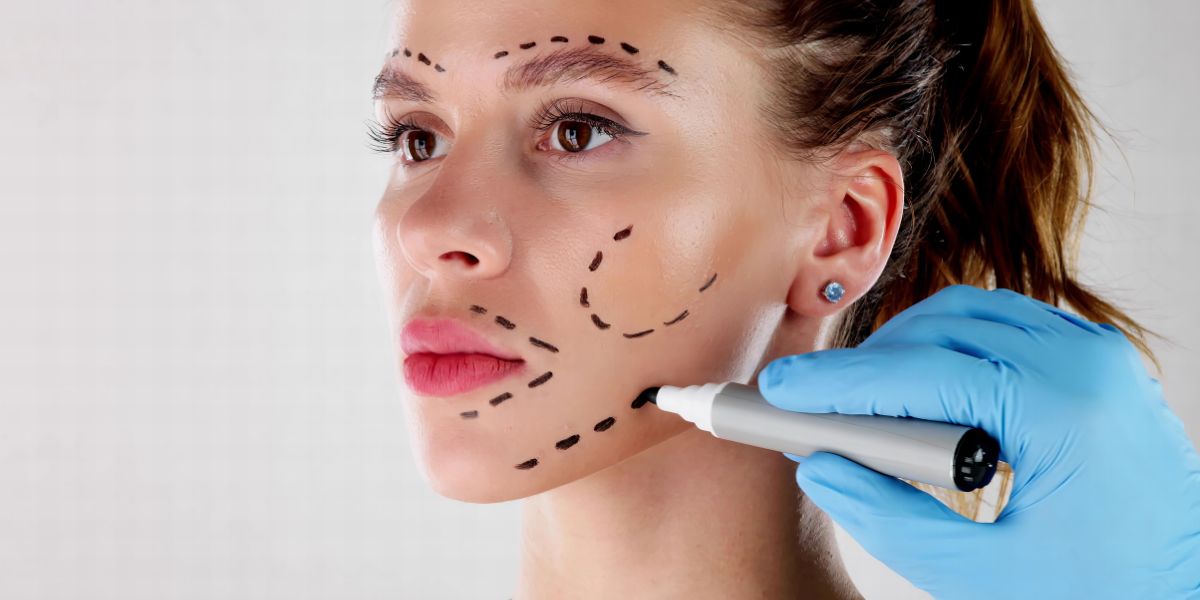
Plastic surgery has become more common today. Many people choose it to improve their looks, treat injuries, or fix medical problems. No matter the reason, preparing the right way before surgery is very important. Good preparation helps you feel confident, reduces stress, and makes recovery smoother.
In this guide, we will cover how to get ready for plastic surgery, what to do before the operation, and how to take care of yourself after surgery. We will also share a helpful checklist so you don’t miss anything. This blog mentions the trusted specialist Plastic & Cosmetic Surgeon in Bangalore and also highlights the importance of Reconstructive Surgery Care in Bangalore for people who need medical repairs after accidents, burns, or birth conditions. Many patients in the city choose Dr. Muddappa P.P for guidance and treatment in this field.
Why Preparation Matters Before Plastic Surgery
Plastic surgery is a medical procedure. Even if it seems simple, the body still needs time and care to heal. When you prepare well:
-
Your surgery becomes safer
-
Your stress levels reduce
-
You understand what to expect afterward
-
You recover faster
-
You lower the chances of problems
Doctors also want patients to be mentally ready. Surgery can change how you look, so it’s good to have clear goals and realistic expectations.
Different Types of Plastic Surgery
Plastic surgery can be cosmetic or reconstructive.
1. Cosmetic Surgery
Cosmetic surgery is done to improve appearance. Examples:
-
Nose reshaping (rhinoplasty)
-
Liposuction (fat removal)
-
Facelift
-
Eyelid surgery
-
Breast augmentation or reduction
People choose cosmetic surgery for beauty, confidence, or personal reasons.
2. Reconstructive Surgery
Reconstructive surgery repairs body parts damaged by:
-
Accidents
-
Burns
-
Birth defects
-
Medical conditions like cancer
Examples include:
-
Breast reconstruction after cancer
-
Burn scar repairs
-
Hand surgery
-
Cleft lip and palate correction
Reconstructive surgery is not just about looks. It helps people live normal lives and improves function and comfort.
Pre-Op Checklist: What to Do Before Surgery
Here is a helpful pre-surgery checklist to follow:
1. Talk to Your Doctor Clearly
Ask questions such as:
-
How long will the surgery take?
-
What are the risks and benefits?
-
When will I feel normal again?
-
Will there be scars?
-
When can I return to work or school?
Knowing the answers helps remove fear.
2. Share Your Medical History
Tell your doctor about:
-
Medicines you take
-
Past surgeries
-
Allergies
-
Health issues (like asthma or heart problems)
This information keeps you safe during the surgery.
3. Avoid Smoking & Alcohol
Doctors usually suggest stopping smoking and alcohol 2–4 weeks before surgery. This is because:
-
Smoking reduces blood flow and slows healing
-
Alcohol increases bleeding risk
4. Manage Your Medicines
Some medicines like blood thinners can affect surgery. Only stop medicines if your doctor tells you to.
5. Plan Time Off
Plastic surgeries need recovery time. You might need:
-
1–2 days for small procedures
-
1–2 weeks for medium surgeries
-
3–4 weeks for bigger surgeries
It depends on the type of surgery.
6. Prepare Your Home
Before surgery:
-
Keep extra pillows for support
-
Stock healthy food
-
Arrange comfortable clothes
-
Keep bandages and ice packs ready if needed
7. Arrange Someone to Help You
After surgery, you may need help with:
-
Cooking
-
Bathing
-
Driving
-
Picking up medicines
Asking for support from family or friends helps you rest properly.
What to Expect on Surgery Day
On the day of surgery, doctors will:
-
Check your vital signs (heart rate, blood pressure)
-
Ask if you ate or drank recently
-
Explain what will happen step by step
Sometimes anesthesia is given so you won’t feel pain. The type of anesthesia depends on the surgery.
After surgery, you will be taken to a recovery room. Nurses will check your condition and make sure you are stable before you go home or stay overnight.
Post-Op Recovery Tips: How to Heal Safely
Recovery after plastic surgery is very important. Taking good care of yourself makes results better and reduces problems.
1. Follow After-Care Instructions
Doctors may give:
-
Pain medicines
-
Antibiotics
-
Ointments
-
Bandages or compression garments
Do not skip medicines or change instructions on your own.
2. Rest & Don’t Rush Activities
Do not push yourself too soon. Running, lifting heavy things, or doing sports too early can cause swelling or bleeding.
3. Drink Water & Eat Nutritious Food
Healthy food helps healing. Choose:
-
Fruits
-
Vegetables
-
Lean protein (fish, eggs, chicken)
-
Nuts
-
Whole grains
Avoid junk food because it slows recovery.
4. Keep Wounds Clean
Doctors will show how to clean wounds gently. Do not scratch or peel scabs; they protect the skin as it heals.
5. Avoid Sun Exposure
The sun can darken scars. If you go outside, use sunscreen after the skin has healed.
6. Be Patient With Results
Many plastic surgeries show final results after:
-
Swelling reduces
-
Bruises fade
-
Scars soften
This can take weeks or months depending on the surgery, so patience is important.
Common Questions Patients Ask
Is plastic surgery safe?
Most surgeries are safe when done by trained specialists in proper facilities.
Does it hurt?
Doctors use anesthesia and medicines to reduce pain. Mild discomfort is normal but temporary.
Will there be scars?
Many surgeries leave small scars, but they fade over time with proper care.
When can I go back to work or school?
It depends on the procedure. Small surgeries need little rest, while larger surgeries may need more.
Final Checklist Before Surgery
Here’s a quick list to remember:
-
Ask questions to understand your surgery
-
Stop smoking and alcohol before surgery
-
Share medical history honestly
-
Manage medicines with doctor’s advice
-
Prepare your home for recovery
-
Arrange a family member for help
-
Stock healthy food and water
-
Plan time off work or school
Conclusion
Plastic surgery can change lives, boost confidence, and fix medical problems. But preparation and recovery are just as important as the surgery itself. When you follow the right steps, you protect your health and get better results.
Whether it is cosmetic enhancement or medical repair, proper planning, realistic expectations, and post-op care make the journey smoother.
If you are considering surgery, explore specialists like Dr. Muddappa P.P, who guide patients with experience, safety, and compassion.


 H2O Yoga and Meditation Center
 city imaging