Anita Patil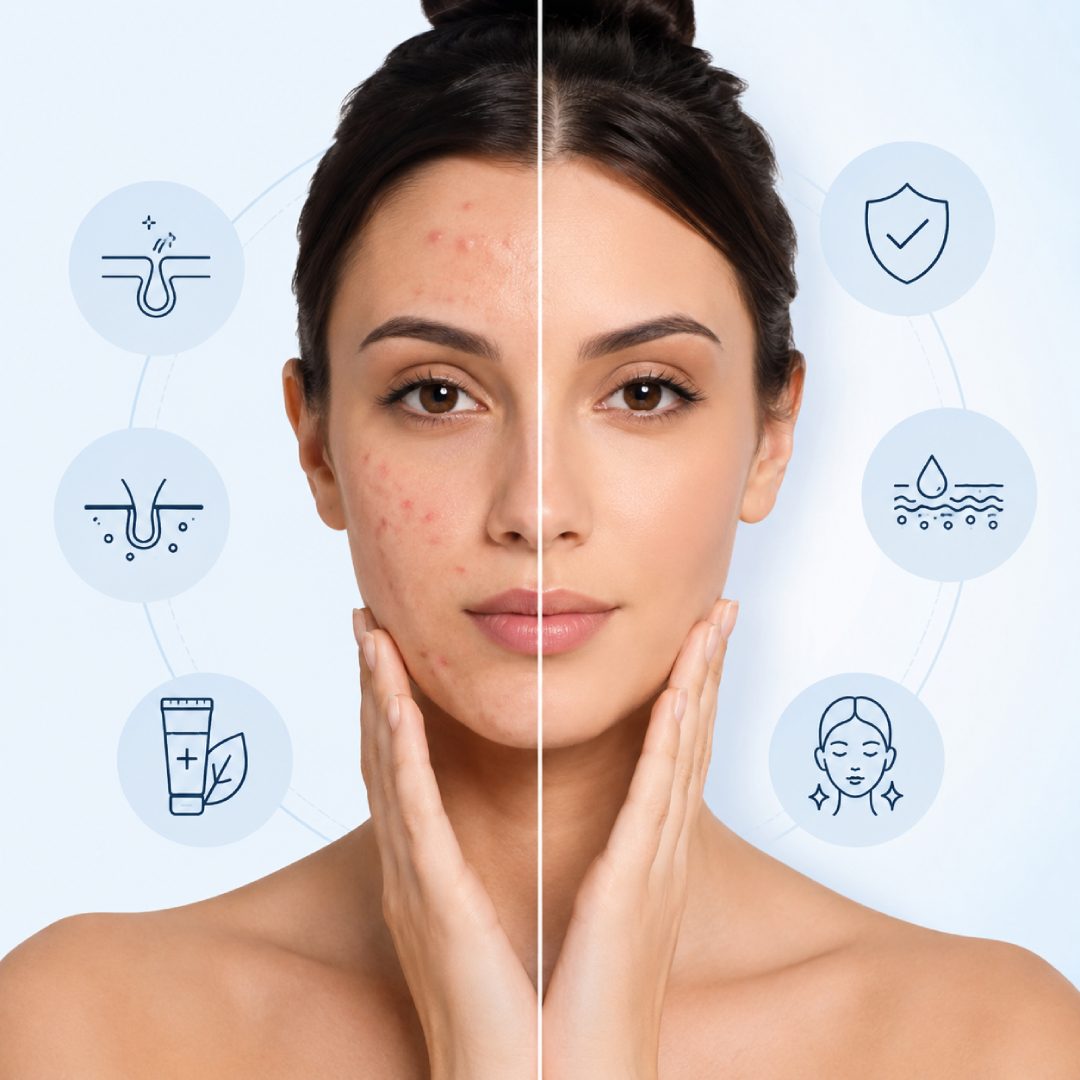
Acne is something almost everyone deals with at some point, but permanent scars are not inevitable. If you’re currently searching for skin treatment in PCMC, chances are you’re already worried about the marks a breakout might leave behind. The good news is that with timely care and the right habits, most acne scars can be prevented. Early intervention makes a real difference, both in how fast your skin heals and how it looks months from now. This guide walks you through why scars form, what increases the risk, and what you can do today to protect your skin.
Why Do Acne Scars Form?
Understanding how scars form can help prevent them. Acne occurs when the pores become blocked with oil, dead skin cells, and germs. When this causes inflammation, the skin tries to restore itself.
During the healing process, your body generates collagen, the protein that gives your skin its structure. A pitted or sunken scar results from the body producing too little collagen in a damaged area. If it generates too much, you may see a raised, thickened scar.
It’s critical to understand the difference between a scar and a temporary mark. A post-acne mark is typically a flat discolouration that fades on its own after weeks or months. A real scar causes a change in skin texture and frequently requires professional therapy to improve.
Many acne scars can be avoided with early treatment, controlled inflammation, and avoiding skin trauma such as picking or squeezing. Prevention is most effective when implemented when acne is still active, rather than after scarring has occurred.
Prevention boils down to a few fundamental concepts. Early treatment of acne lessens the duration of inflammation in the skin, lowering the risk of deep tissue damage. Avoiding trauma, such as popping pimples, prevents the healing process from being disrupted. When home care is insufficient, professional help can treat moderate to severe acne before it creates permanent scars.
Which Types of Acne Are Most Likely to Leave Scars?
Not all acne carries the same risk. Some forms are far more likely to damage deeper skin layers.
- Cystic acne: Large, painful, pus-filled bumps that form deep under the skin.
- Nodular acne: Hard, inflamed lumps that can persist for weeks.
- Inflammatory acne: Pimples that are red, swollen, and cause severe tissue irritation.
- Severe hormonal acne: Recurring breakouts, often along the jawline and chin, linked to hormonal changes.
- Deep pimples: Any breakout that extends below the skin’s surface layer.
These varieties have a higher scarring risk because the inflammation penetrates deeper skin tissues, affecting collagen and tissue regeneration in ways that surface-level acne does not.
Habits That Increase the Risk of Acne Scars
Certain daily practices can gradually raise your chances of obtaining permanent markings. Being aware of them is the first step towards avoiding them.
- Picking at pimples, including minor ones
- Squeezing acne to “speed up” the healing process
- Delay therapy for painful or persistent breakouts.
- Exfoliating irritated skin excessively.
- Using harsh, drying treatments to treat aggressive acne
- Avoiding sunscreen during the healing phase
- Ignoring severe or cystic acne rather than getting treatment.
As soon as a pimple arises, cleanse gently, administer a spot treatment, and avoid rubbing or squeezing the affected area. Keeping the skin hydrated and shielded from the sun promotes speedier, scarless recovery.
A hands-off approach matters more than most people realise. Gentle cleaning twice a day eliminates excess oil without removing the skin’s protective barrier. Spot treatments using chemicals specific to your skin type can reduce inflammation without harming other regions.
Hydration strengthens the skin barrier, promoting healing, while daily sun protection prevents marks from darkening. If a pimple is unusually painful, huge, or does not improve within a week or two, it’s best to get expert help rather than wait it out.
How Dermatologists Help Prevent Acne Scars
Home care is effective, but some cases require expert assistance. A dermatologist can precisely analyse your skin, grade the severity of your acne, and detect trends that home therapies may overlook.
Based on this evaluation, a specific treatment plan is developed, which may include prescription drugs to manage inflammation, in-clinic procedures for active breakouts, and structured follow-up care to monitor healing progress. This type of personalised approach, provided by a skin clinic in PCMC, is frequently what distinguishes acne that heals cleanly from acne that leaves permanent marks.
Because each skin type reacts differently to therapy, Bodysutra prioritises realistic, evidence-based care above quick cures.
Professional Treatments That May Help Prevent Permanent Scars
When home care is insufficient, a variety of dermatologist-supervised treatments can help reduce the risk of persistent scarring or improve existing markings.
| Treatment | Best For | Benefits | Recovery Time |
|---|---|---|---|
| Chemical Peel | Surface pigmentation and mild texture issues | Improves tone, encourages cell turnover | Few days |
| Microneedling | Mild to moderate textured scars | Boosts collagen production naturally | 2–4 days |
| Laser Therapy | Deeper textured or pigmented scars | Resurfaces skin, stimulates collagen renewal | 3–7 days |
| PRP Therapy | Enhancing the results of other procedures | Uses the body’s own growth factors to speed healing | 1–3 days |
| Prescription Medicines | Active, inflamed, or recurring acne | Controls inflammation before scarring starts | Ongoing, as advised |
These options aren’t designed to meet every situation. A dermatologist will usually recommend one or more treatments based on your skin type, scar depth, and overall skin health.
Early treatment of acne dramatically reduces the chance of permanent scarring. The sooner inflammation is reduced, the less damage is done to the skin’s deeper layers, allowing for faster and cleaner recovery.
Early therapy is important since inflammation is the primary cause of scar development. The longer a breakout is active and neglected, the more time it has to do damage to surrounding tissue. Controlling inflammation decreases damage, promotes faster healing, and lowers the overall risk of long-term marks.
This is one reason patients are encouraged to consult a skin clinic in Pimpri Chinchwad as soon as acne becomes persistent or painful, rather than waiting until scarring has already developed.
Daily Skincare Routine to Help Prevent Acne Scars
Morning Routine
- Gentle, non-stripping cleanser.
- Lightweight and oil-free moisturiser
- Broad-spectrum sunscreen (SPF 30 or above)
Evening Routine
- Double-cleanse to remove dirt and sunblock
- Targeted therapy products as suggested
- Moisturise to strengthen the skin barrier overnight.
Consistency is more important than intensity. A simple, everyday routine is significantly more effective at protecting healed skin than an intensive routine utilised only on occasion.
Lifestyle Tips for Healthy Skin Healing
- Consume a balanced meal with enough protein and vitamins.
- Get consistent, quality sleep.
- Stay hydrated throughout the day.
- Manage stress, which can aggravate inflammation.
- Avoid smoking, as it slows skin healing.
- Exercise regularly to promote circulation.
- Avoid touching your face excessively.
Frequently Asked Questions
Q: Can acne scars be prevented?
Answer: Yes, many acne scars can be avoided by seeking early treatment, managing inflammation, and avoiding skin trauma such as picking or squeezing. Prevention is most effective when implemented when acne is still active, rather than after scarring has occurred.
Q: What should you do as soon as a pimple appears?
Answer: Cleanse gently, use a proper spot treatment, and avoid rubbing or pressing the area. Keeping the skin hydrated and shielded from sun exposure promotes speedier, scar-free healing, so a hands-off approach is more important than many people realise.
Q: Can early acne treatment reduce the risk of scars?
Answer: Yes, treating acne early dramatically reduces the chance of lasting scarring. The sooner inflammation is reduced, the less damage is done to the skin’s deeper layers, allowing for faster and cleaner recovery.
Q: Which treatment is best for acne scars?
Answer: There is no one-size-fits-all treatment for scars and skin conditions. Chemical peels, microneedling, laser therapy, and PRP therapy are all distinct types of treatments. A dermatologist assesses your skin before offering the best treatment choice.
Conclusion
Acne scars are frequently avoidable, and the primary determinant is timing. Treating breakouts early, eliminating behaviours like picking and squeezing, and sticking to a consistent skincare routine all lower the chance of irreversible damage. Professional advice provides an additional layer of protection, particularly for moderate to severe acne that home care alone cannot entirely manage. Above all, constancy in daily behaviours and seeking timely treatment is what promotes long-term skin health.


 sourav Kumar