enfield abudhabi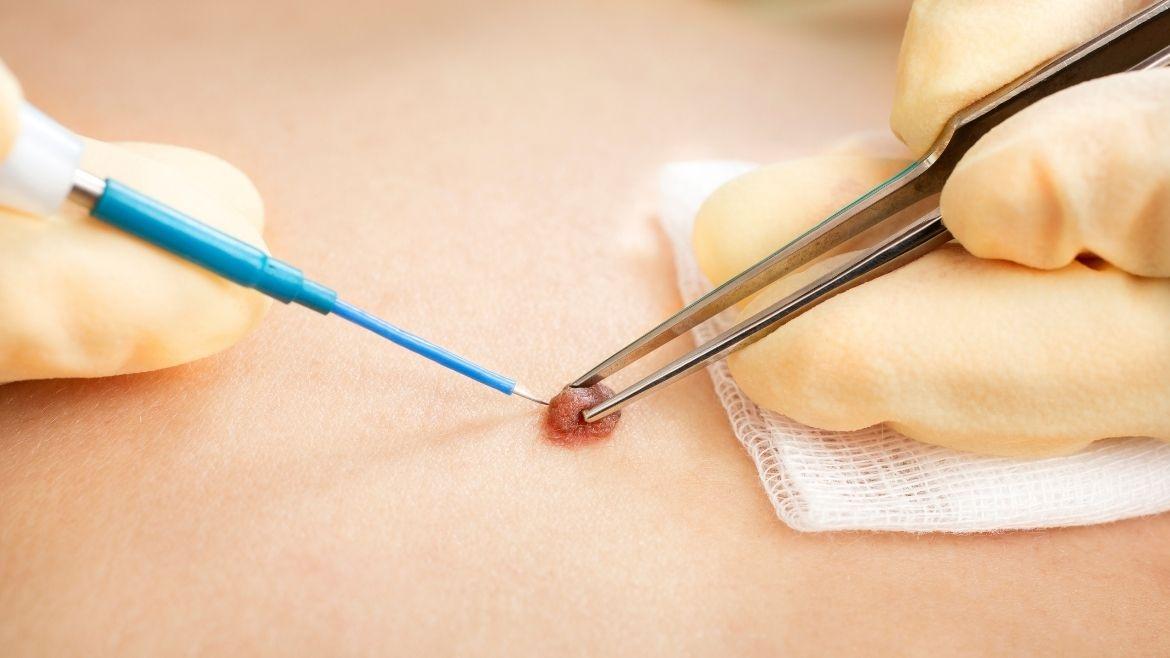
Warts are small, grainy skin growths that often feel rough to the touch. They are caused by the human papillomavirus (HPV), which triggers an excess of keratin—a hard protein—to develop in the top skin layer. Understanding the mechanics of how Warts Removal Treatment in Abu Dhabi works requires a deep dive into dermatology and the various physiological responses triggered by professional interventions.
-
Warts are viral infections that manifest as benign skin tumors.
-
They vary in appearance based on the thickness of the skin and the specific strain of the virus.
-
Professional treatments focus on eliminating the physical lesion while stimulating the body’s natural healing response.
The Biological Mechanism of Warts
To understand removal, one must first understand the growth. Warts are not like simple calluses; they have their own blood supply. Small capillaries grow into the wart to nourish the viral cells, which is why you may sometimes see tiny black dots (often called “seeds,” though they are actually clotted blood vessels) within the growth.
The Role of Keratinization
The virus hijacks the skin’s functions, causing cells to multiply rapidly. This leads to a thickened stratum corneum (the outermost layer of the skin). Most removal techniques aim to either break down this protein structure or cut off the blood supply to the infected tissue.
-
Hyperkeratosis is the primary characteristic of a wart’s physical structure.
-
The virus remains localized in the epidermis but uses the dermis for nutrient delivery.
-
Removal focuses on the “root” or the base of the epidermal growth to prevent recurrence.
Cryotherapy: Destruction Through Freezing
One of the most common methods for addressing skin growths involves the application of extreme cold, typically using liquid nitrogen. This process is known as cryotherapy. The goal is to create a localized frostbite that destroys the cellular structure of the wart.
The Freezing and Thawing Cycle
When the cold agent is applied, ice crystals form within the skin cells. As these cells thaw, the expansion and contraction cause the cell membranes to rupture. This mechanical destruction is what eventually leads to the wart falling off.
-
Liquid nitrogen reaches temperatures as low as -196°C.
-
The treatment creates a “blister” underneath the wart, lifting it away from the healthy tissue.
-
The dead viral cells are eventually shed as the skin underneath regenerates.
Laser Therapy: Precision Light Energy
Laser treatments use specific wavelengths of light to target the components of a wart. Unlike topical applications, lasers can penetrate deeper into the skin tissue to address the growth at its source without damaging the surrounding healthy area.
Targeting the Blood Supply
Many lasers used for this purpose are “vascular” lasers. They are designed to be absorbed by the hemoglobin in the blood vessels that feed the wart. By heating and cauterizing these vessels, the laser effectively starves the wart of the oxygen and nutrients it needs to survive.
-
Pulse Dye Lasers (PDL) are frequently utilized for their ability to target blood vessels.
-
The heat from the laser also helps in denaturing the viral proteins.
-
This method is often preferred for stubborn or “mosaic” warts that have not responded to other treatments.
Chemical Cauterization and Keratolysis
Another pathway to removal involves the use of specialized chemical agents. These substances are designed to peel away the layers of the wart gradually or to cause an immediate chemical reaction that destroys the infected tissue.
Peeling the Layers
Salicylic acid and other high-strength peeling agents work by softening the keratin. This makes it easier for the outer layers of the wart to be sloughed off. Over time, the chemical penetrates deeper until the entire growth is removed.
-
Keratolytic agents break the bonds between skin cells.
-
Frequent application ensures that the virus has no “shield” of dead skin to hide behind.
-
This method relies on the steady turnover of skin cells to replace the infected area with healthy tissue.
Electrosurgery and Curettage
For growths that are particularly thick or resistant, physical removal through electrosurgery is often employed. This involves the use of a high-frequency electric current to burn the tissue, followed by a physical scraping of the area.
Thermal Destruction
The electric needle or loop provides targeted heat that desiccates (dries out) the wart tissue. This not only destroys the viral cells but also seals the blood vessels simultaneously.
-
Curettage involves using a spoon-shaped tool to “scoop” out the softened wart.
-
Electrosurgery is highly effective for filiform warts (long, thread-like growths).
-
The combination of heat and physical removal ensures that the bulk of the viral load is removed instantly.
Immunotherapy: Leveraging the Body’s Defense
Sometimes, the most effective way to remove a growth is to convince the body to do it itself. Warts often persist because the HPV virus is “hidden” from the immune system. Immunotherapy treatments aim to alert the body to the presence of the virus.
Triggering an Immune Response
By applying certain antigens or chemicals to the area, a localized allergic reaction is created. This “wakes up” the white blood cells, which then rush to the site and begin attacking the HPV virus.
-
This method addresses the underlying viral cause rather than just the physical growth.
-
It is often used when there are multiple warts in different areas.
-
Once the immune system recognizes the virus, the warts typically shrink and disappear naturally.
The Recovery and Regeneration Process
Once the treatment has successfully targeted the growth, the body begins the vital task of wound healing and tissue regeneration. This phase is crucial for ensuring that the skin returns to its smooth, natural state.
Replacing Infected Tissue
As the treated wart tissue dies and is removed, the basal layer of the skin begins to produce new, healthy cells. These cells migrate upward to fill the gap left by the growth.
-
Healthy skin typically regenerates within a few weeks of treatment.
-
The new skin lacks the viral DNA of the previous growth.
-
Protecting the area during this stage ensures that the new tissue remains healthy and resilient.
Why Professional Intervention is Key
While there are many myths regarding home remedies for skin growths, professional treatments offer a level of precision and safety that cannot be replicated at home. Specialists use diagnostic tools to ensure the growth is indeed a wart and not a more serious skin condition.
Ensuring Complete Removal
One of the biggest challenges with warts is their tendency to return if even a small amount of the virus remains. Professionals use high-magnification tools to ensure the margins of the treatment area are clear.
-
Specialized equipment allows for deeper penetration than over-the-counter options.
-
Professional environments minimize the chance of secondary infections.
-
Tailored approaches ensure the treatment matches the specific type and location of the wart.
Understanding the Different Types of Warts
Not all growths are created equal. The strategy for removal often depends on which category the growth falls into.
Common and Plantar Warts
Common warts usually appear on the hands, while plantar warts grow on the soles of the feet. Because plantar warts are subjected to the pressure of walking, they often grow inward, making them harder to treat than those on the surface.
-
Plantar warts require treatments that can penetrate thick calluses.
-
Common warts are often more responsive to freezing techniques.
-
The thickness of the skin in these areas dictates the intensity of the treatment.
Flat and Filiform Warts
Flat warts are smaller and smoother, often appearing in large numbers. Filiform warts, conversely, are long and narrow. These require a more delicate touch to avoid affecting the surrounding skin.
-
Flat warts often respond well to chemical peeling or immunotherapy.
-
Filiform warts are frequently removed using precision laser or electrosurgery.
-
The goal in these cases is to remove the growth with minimal impact on the skin’s texture.
Frequently Asked Questions
How long does it take for the growth to disappear after treatment?
The timeline varies depending on the method used. Cryotherapy or laser treatments may cause the wart to turn dark and fall off within one to two weeks. Chemical treatments are more gradual and may take several sessions over a month to fully eliminate the growth.
Can the growth return after it has been removed?
While the physical growth is removed, the virus that caused it can sometimes remain dormant in the surrounding skin. This is why professional treatments often focus on a slightly wider margin around the wart to ensure all viral particles are neutralized.
Is the treatment process fast?
Most professional removal sessions are quite efficient, often taking between 15 to 30 minutes. The duration depends on the number of growths being addressed and the complexity of the specific technique being utilized.
Will there be a mark left on the skin?
The goal of modern removal techniques is to leave the skin as clear as possible. By targeting only the infected tissue and avoiding healthy surrounding skin, professionals encourage the growth of new, uniform skin cells that eventually blend in with the rest of the area.


 Zohar Global Security
 trace bann