enfield abudhabi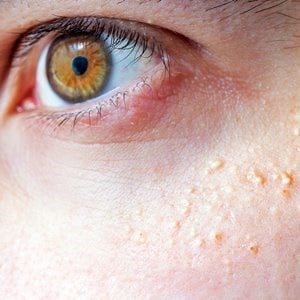
Milia are small, benign cysts that appear as tiny, firm, pearly white or yellowish bumps under the surface of the skin. They are formed when keratin, a protein found in skin tissues, hair, and nails, becomes trapped beneath the outer layer of the skin instead of shedding naturally. While these bumps are harmless and often resolve spontaneously in infants, they frequently persist in adults, leading many individuals to seek Milia Treatment in Abu Dhabi to achieve a smoother and more even complexion. Understanding the nature of these cysts and the various methods for managing them is the first step toward maintaining healthy, clear skin.
-
Milia are common, harmless skin cysts caused by trapped keratin.
-
While they often go away on their own in newborns, they are more persistent in adults.
-
Seeking appropriate management can help those bothered by the cosmetic appearance of these bumps.
What Are Milia and Why Do They Form?
At its core, a milium (the singular form of milia) is a collection of keratin trapped in a small pocket near the surface of the skin. Unlike acne, which involves inflammation and clogged pores, milia are typically non-inflammatory and do not have an opening to the surface. They are often referred to as “milk spots” and are frequently found on the cheeks, nose, and around the eyes. Primary milia can occur spontaneously, while secondary milia may develop following skin trauma, such as burns, blistering, or the use of overly heavy skincare products that prevent the skin from breathing and shedding dead cells effectively.
-
Milia consist of trapped keratin under the skin’s surface.
-
They differ from acne as they lack inflammation and surface openings.
-
Causes include natural skin cycles, trauma, or the use of occlusive skincare products.
Is Milia Treatment Suitable for Everyone?
Deciding whether to pursue treatment for milia is a personal choice, as these cysts pose no health risks. In many cases, especially with newborns, the best approach is patience, as the bumps typically disappear within a few weeks or months without any intervention. For adults, the decision often centers on personal comfort and aesthetic preference. While the condition is not “curable” in the sense that one can prevent future occurrences entirely, the individual bumps can be managed. Suitability for various procedures depends on individual skin type, sensitivity, and the specific location of the cysts, particularly near the delicate eye area. Consulting with a professional ensures that the chosen approach is safe and tailored to the unique needs of the individual’s skin barrier.
-
Milia are harmless and often do not require medical intervention.
-
The choice to treat is largely based on cosmetic preference.
-
Treatment suitability depends on skin sensitivity and the specific location of the bumps.
Common Approaches to Managing Milia
For those who find the presence of milia bothersome, several established techniques are used to clear the skin. The most common and direct method involves “de-roofing,” a process where a tiny, sterile opening is made to allow the trapped keratin to be gently extracted. Other approaches include chemical exfoliation, which encourages faster cell turnover to help the cysts reach the surface naturally. For more persistent cases, advanced technologies such as laser-based procedures or cryotherapy may be utilized to break down or remove the deposits. Each method is designed to address the cysts while preserving the integrity of the surrounding healthy skin.
-
De-roofing involves a controlled, sterile extraction of the keratin plug.
-
Chemical exfoliation promotes natural skin turnover to clear cysts.
-
Advanced techniques like laser therapy or cryotherapy provide additional options for persistent milia.
Preventive Skincare and Lifestyle Habits
While not every case of milia can be prevented, adopting a consistent and skin-type-appropriate routine can significantly reduce the likelihood of new bumps forming. Key practices include regular, gentle cleansing and the use of exfoliants—such as AHAs (Alpha Hydroxy Acids) or BHAs (Beta Hydroxy Acids)—to aid the natural shedding of dead skin cells. It is equally important to avoid heavy, occlusive creams or thick oils that can clog the skin, particularly in delicate areas like the under-eye region. Furthermore, prioritizing sun protection is essential, as UV damage can disrupt the skin’s natural renewal processes, contributing to the development of these tiny cysts.
-
Regular, gentle exfoliation helps prevent dead skin cell accumulation.
-
Choosing lightweight, non-comedogenic moisturizers prevents pore and duct blockage.
-
Consistent sun protection supports overall skin health and renewal.
Maintaining Skin Health Long-Term
Long-term management of milia focuses on maintaining a healthy skin barrier and supporting the skin’s natural desquamation (shedding) process. By tailoring skincare products to one’s specific needs—whether the skin is oily, dry, or sensitive—individuals can create an environment that discourages keratin entrapment. Maintaining a balanced lifestyle, including proper hydration and adequate protection from environmental stressors, further supports the skin in remaining clear and resilient. When individual efforts are combined with professional guidance, managing the appearance of milia becomes a manageable part of a comprehensive approach to skin health.
-
Tailored skincare routines support the natural shedding of skin cells.
-
A healthy skin barrier is crucial for preventing the formation of new milia.
-
Professional advice helps create a long-term strategy for clear, healthy-looking skin.
Frequently Asked Questions
1. Can I remove milia at home by popping them like pimples?
It is strongly advised against trying to “pop” or extract milia at home. Unlike acne, which has a pore opening, milia are trapped deeply under the skin. Attempting to squeeze them can lead to skin trauma, infection, and permanent scarring, making it more difficult to resolve the issue.
2. How long does it usually take for milia to go away on their own?
In newborns, milia typically resolve within a few weeks. In adults, however, the timeframe varies significantly; some may fade in a few months, while others can persist for a longer period if not addressed through professional skin management.
3. Will changing my moisturizer help prevent milia?
Yes, frequently. If you are prone to milia, heavy or occlusive products—such as thick petroleum-based creams or heavy oils—can trap keratin under the skin. Switching to lighter, non-comedogenic formulas that are better suited to your skin type can help the skin breathe and prevent new bumps from forming.
4. Are there any specific skin types more prone to developing milia?
While anyone can develop milia, those with a history of skin damage or those who use heavy skincare products may be more susceptible. People with certain genetic predispositions or those who do not regularly exfoliate may also notice milia more frequently. Maintaining a consistent, gentle exfoliation routine is generally recommended for all skin types to support skin renewal.


 Dynamic Life Clinics Dubai
 Novel Dental