kamal Raj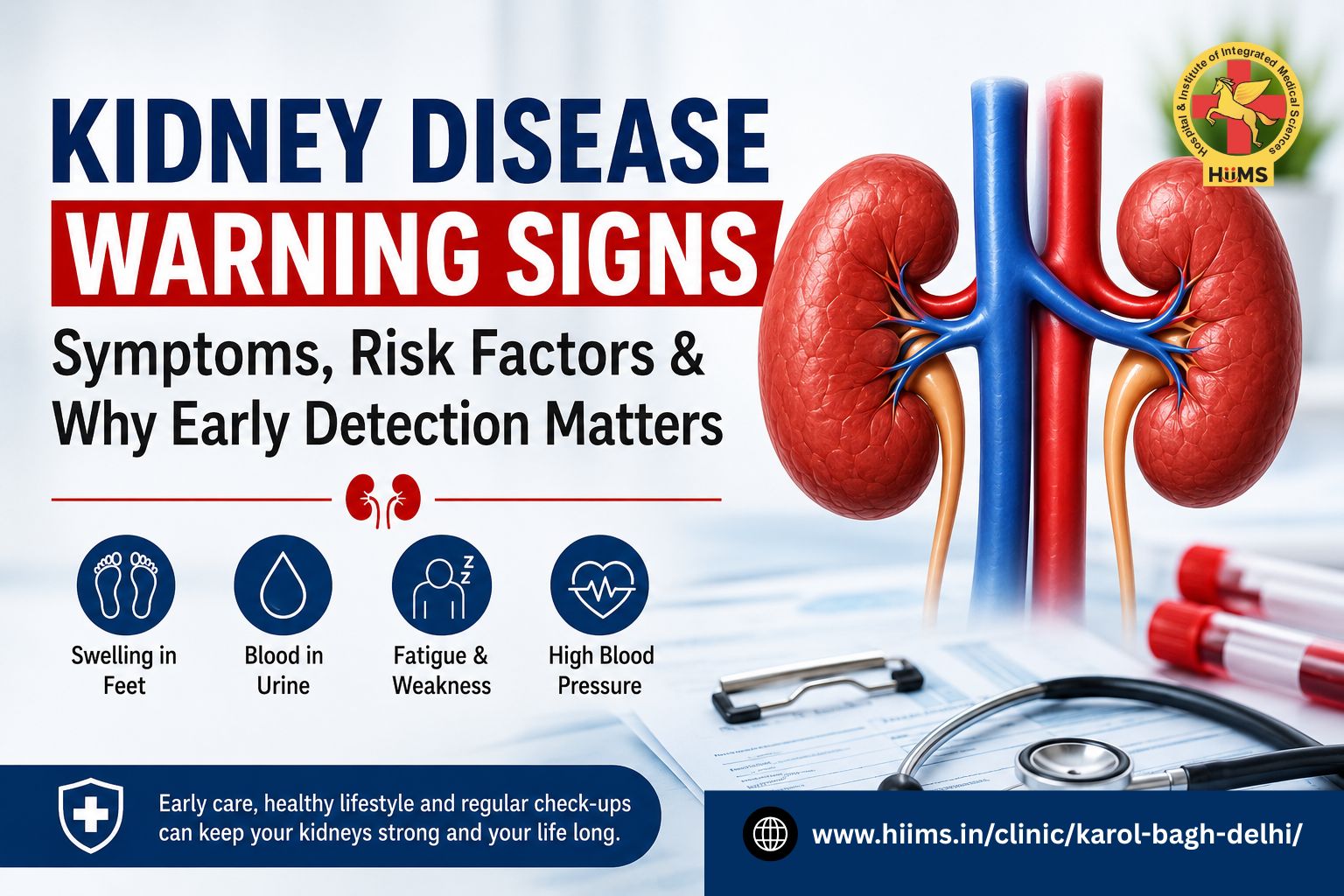
Kidneys are among the hardest-working organs in the human body. Every day, they filter waste products, remove excess fluids, balance minerals, and help regulate blood pressure. Despite performing these essential functions around the clock, kidney problems often develop silently. Many people do not notice any symptoms until the disease has progressed significantly.
According to health experts, millions of people worldwide are living with some form of kidney disease, yet many remain undiagnosed. This is why understanding the early warning signs and maintaining kidney health is so important.
In this article, we’ll explore the common symptoms, causes, risk factors, diagnosis, and preventive measures that can help protect your kidneys.
What Is Kidney Disease?
Kidney disease occurs when the kidneys lose their ability to filter waste and excess fluid from the blood efficiently. This can happen gradually over several months or years (chronic kidney disease) or suddenly due to injury or infection (acute kidney injury).
If left untreated, kidney disease may affect many parts of the body because waste products begin to accumulate in the bloodstream.
Early Signs of Kidney Disease
One of the biggest challenges with kidney disease is that symptoms are often mild during the early stages.
Some common warning signs include:
- Swelling in the feet, ankles, or face
- Persistent fatigue
- Blood in urine
- Foamy urine
- Frequent urination, especially at night
- Reduced urine output
- High blood pressure
- Loss of appetite
- Nausea
- Difficulty concentrating
These symptoms may also occur in other health conditions, so proper medical evaluation is always important.
Common Causes of Kidney Disease
Several conditions can gradually damage the kidneys over time.
1. Diabetes
High blood sugar can damage the tiny blood vessels inside the kidneys, reducing their filtering ability.
2. High Blood Pressure
Uncontrolled blood pressure places extra stress on kidney tissues and is one of the leading causes of chronic kidney disease.
3. Kidney Stones
Repeated kidney stones may increase the risk of kidney damage if not treated properly.
4. Infections
Untreated urinary tract or kidney infections can sometimes lead to long-term kidney complications.
5. Genetic Factors
Some inherited disorders may increase the likelihood of developing kidney disease.
Who Is at Higher Risk?
Certain individuals have a greater chance of developing kidney problems, including:
- People with diabetes
- Individuals with high blood pressure
- Adults over 60 years of age
- Smokers
- Obese individuals
- People with a family history of kidney disease
- Individuals taking painkillers regularly for long periods
Regular health check-ups become increasingly important if you fall into any of these categories.
Why Early Detection Matters
Kidney disease usually progresses slowly. Early diagnosis gives patients more treatment options and may help slow the progression of the disease.
Doctors often recommend routine kidney screening for high-risk individuals because many kidney disorders can be managed more effectively when detected early.
Tests Used to Evaluate Kidney Health
Healthcare professionals may recommend several investigations, including:
- Kidney Function Test (KFT)
- Renal Function Test (RFT)
- Serum Creatinine
- Blood Urea
- eGFR
- Urine Routine Examination
- Ultrasound (if required)
These tests help assess how efficiently the kidneys are filtering waste products.
Lifestyle Tips for Healthy Kidneys
Maintaining healthy kidneys doesn’t always require complicated changes. A few simple habits can make a significant difference.
Stay Hydrated
Drink enough water throughout the day unless advised otherwise by your doctor.
Eat a Balanced Diet
Choose fresh fruits, vegetables, whole grains, and limit processed foods high in salt.
Exercise Regularly
Moderate physical activity helps maintain healthy blood pressure and body weight.
Control Blood Sugar
Proper diabetes management helps reduce kidney complications.
Monitor Blood Pressure
Keeping blood pressure within a healthy range protects kidney function.
Avoid Smoking
Smoking reduces blood flow to the kidneys and increases the risk of kidney disease.
Avoid Self-Medication
Long-term use of certain painkillers without medical supervision may affect kidney health.
Can Kidney Disease Be Prevented?
Not every kidney disease can be prevented, but many risk factors can be managed through healthy lifestyle choices and regular medical care.
Early screening becomes especially important for people with diabetes, hypertension, obesity, or a family history of kidney disorders.
The earlier kidney disease is identified, the better the chances of slowing its progression.
Holistic Support for Kidney Wellness
Many people also explore complementary approaches alongside conventional medical care. Ayurveda emphasizes balanced nutrition, healthy daily routines, stress management, and individualized care to support overall wellness.
Lifestyle modifications, appropriate dietary guidance, and therapies recommended by qualified Ayurvedic practitioners may be considered as part of a comprehensive wellness approach. However, they should complement—not replace—professional medical diagnosis and treatment.
When Should You Consult a Doctor?
You should seek medical advice if you notice:
- Blood in urine
- Persistent swelling
- Frequent urination
- Severe fatigue
- Kidney pain
- High blood pressure
- Abnormal kidney function test reports
Prompt evaluation helps identify the underlying cause and allows timely treatment.
Conclusion
Kidney disease often develops silently, making awareness and early detection extremely important. Paying attention to warning signs, maintaining a healthy lifestyle, and undergoing routine kidney health check-ups can significantly improve long-term outcomes.
If you experience persistent symptoms such as blood in urine, swelling, or unusual fatigue, don’t ignore them. Consulting a qualified healthcare professional and undergoing appropriate investigations can help detect kidney problems early and guide the right treatment plan.
Protecting your kidneys today is an investment in your overall health for years to come.


 enfield abudhabi
 Navimumbaihiims Mumbai