infinity decor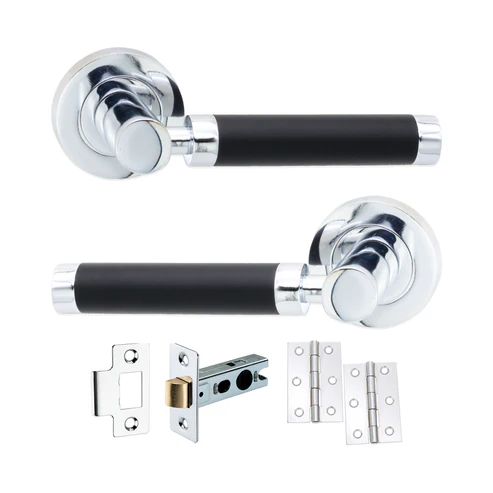
Latch locks are an essential component of modern door security, offering a practical and efficient way to keep doors securely closed while allowing easy access. Used in residential, commercial, and industrial settings, latch locks are designed to engage automatically when a door is shut, eliminating the need for manual locking in many situations. Their simple mechanism, combined with dependable performance, makes latch locks a preferred choice for everyday use. Whether installed on internal doors or entryways, latch locks provide a balance between convenience, safety, and durability, making them a fundamental part of any secure door system.
What Are Latch Locks?
Latch locks are mechanical devices that secure a door using a spring-loaded latch bolt. When the door closes, the latch automatically fits into a strike plate on the door frame, holding the door in place. The latch can then be retracted using a handle, knob, or key, depending on the lock type.
Key Features of Latch Locks
Latch locks are known for their simplicity and effectiveness. Some of their key features include:
- Automatic locking when the door closes
- Easy operation with handles or knobs
- Compatibility with various door types
- Durable internal mechanisms
These features make latch locks suitable for both convenience and security purposes.
Types of Latch Locks
There are several types of latch locks designed for different applications:
Spring Latch Locks
These are the most common type, using a spring-loaded bolt that retracts when the handle is turned.
Dead Latch Locks
An improved version of spring latch locks, dead latch locks include an additional feature that prevents forced entry by locking the latch in place when the door is closed.
Tubular Latch Locks
Commonly used with lever handles or door knobs, tubular latch locks are compact and easy to install.
Rim Latch Locks
Mounted on the surface of the door, rim latch locks are ideal for traditional doors and retrofitting projects.
Materials and Finishes
Latch locks are available in a range of materials to ensure durability and performance:
- Stainless steel for corrosion resistance
- Brass for long-lasting strength and classic appearance
- Zinc alloy for affordability and versatility
Finishes such as chrome, matte black, satin nickel, and antique brass allow latch locks to match various interior and exterior designs.
Advantages of Latch Locks
Choosing latch locks offers several benefits:
- Quick and automatic door securing
- Easy installation and maintenance
- Suitable for high-traffic areas
- Cost-effective security solution
These advantages make latch locks a practical option for homes, offices, and commercial buildings.
Applications of Latch Locks
Latch locks are widely used in:
- Residential interior doors
- Office and commercial spaces
- Hotel rooms and hospitality settings
- Light-security exterior doors
Their adaptability ensures they meet a wide range of functional needs.
Installation and Maintenance
Proper installation is important for optimal performance. Ensure the latch aligns correctly with the strike plate and fits the door thickness. Regular cleaning and occasional lubrication will help maintain smooth operation and extend the lifespan of latch locks.
Conclusion
Latch locks play a vital role in ensuring everyday door security by combining simplicity, reliability, and ease of use in a single mechanism. Their ability to automatically secure doors without requiring constant manual locking makes latch locks highly practical for busy environments. With various types available, including spring latch, dead latch, tubular, and rim designs, latch locks can meet different security and functional requirements. Durable materials and stylish finishes further enhance their appeal, making them suitable for both modern and traditional spaces. Overall, latch locks remain a dependable and cost-effective solution for maintaining safety and convenience in any property.

 torax service
 zara style