Pandit Jwalaprasad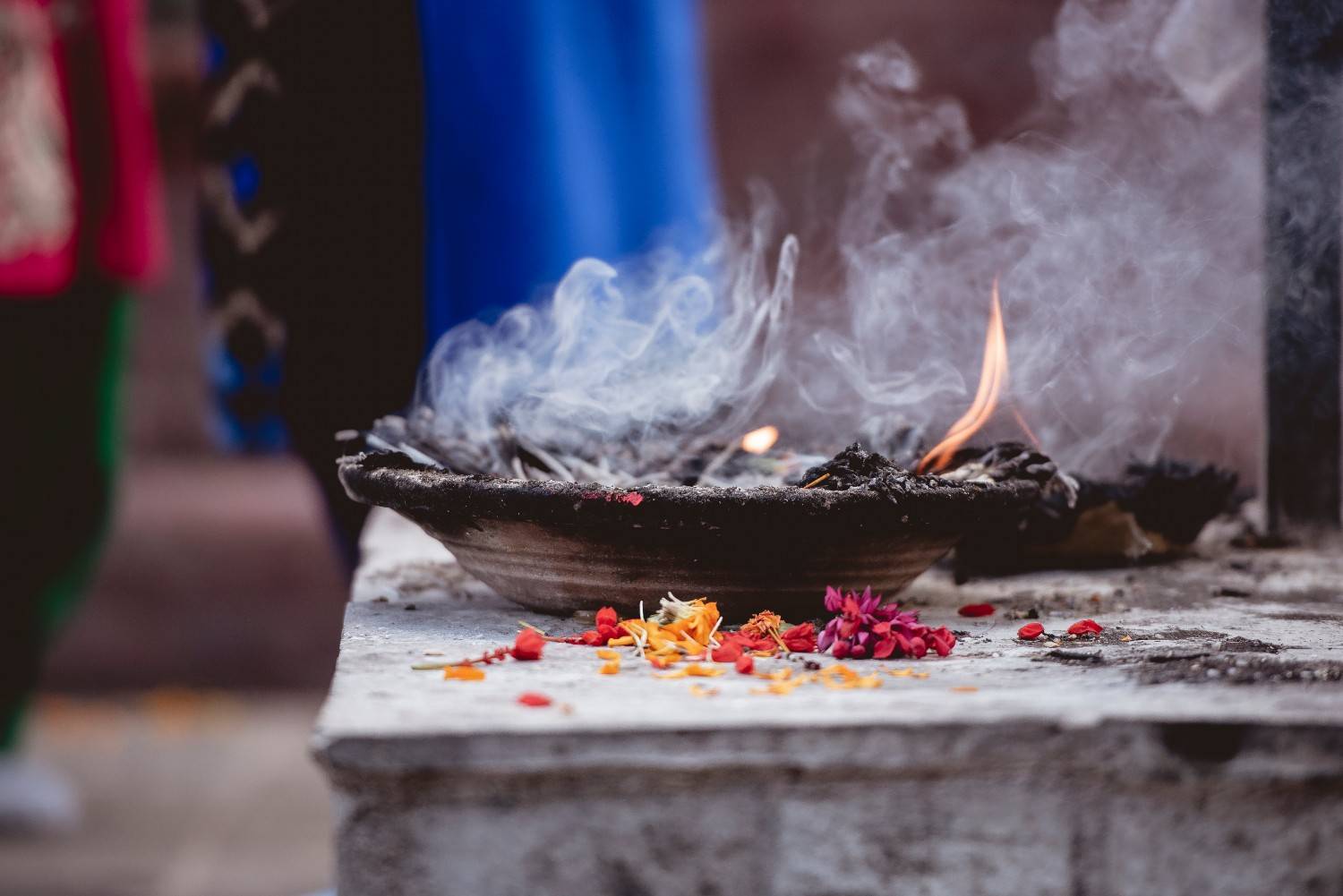
Marriage is one of the few things people do not like leaving to guesswork, and that is one reason Mangal Dosh gets so much attention. When a horoscope shows Mars in a difficult position, families often look for a ritual that feels grounded, practical, and properly done. That is where Mangal Dosh Nivaran Pooja comes in.
At Pandit Jwala Prasad and Sons, devotees also get Digital Vanshawali (Digital Family Lineage Records), which helps keep family lineage details and ritual history in a clear digital form.
What Mangal Dosh is
Mangal Dosh, also called Manglik Dosh or Kuja Dosh, is linked in Vedic astrology to Mars being placed in certain houses of the horoscope. These usually include the 1st, 2nd, 4th, 7th, 8th, or 12th house.
People connect it with delayed marriage, frequent misunderstandings, emotional stress, family conflicts, and obstacles in relationships. Not every horoscope behaves the same way, so the real impact is usually judged after a proper chart reading.
Why the pooja is performed
The main purpose of Mangal Dosh Nivaran Pooja is to soften the difficult side of Mars and support its better qualities.
Families usually turn to this ritual for:
- Marriage delays.
- Repeated engagement breaks.
- Relationship tension.
- Family disputes.
- Emotional instability.
- General life obstacles linked to Mars.
The idea is not to remove Mars from the horoscope. It is to bring balance.
What Mars means in astrology
Mars is linked with strength, courage, discipline, confidence, leadership, and protection. When it is well placed, it can support progress. When it is poorly placed, it can bring anger, impatience, and conflict.
That is why the ritual is approached as a balancing act rather than a cure-all.
Who usually performs it
This pooja is commonly recommended for people identified as Manglik through horoscope analysis. Families often book it for delayed marriage proposals, frequent arguments with a partner, relationship problems, family disputes, obstacles in married life, and emotional pressure caused by planetary influences.
Best time to perform it
The muhurat matters. Priests usually suggest times such as Tuesdays, Mangal Nakshatra periods, marriage-related muhurats, or dates based on the person’s birth chart.
Ritual steps
Ganesh Pujan: Lord Ganesha is worshipped first to remove obstacles.
Sankalp: The devotee states the purpose of the pooja and the priest recites the family details.
Kalash Sthapana: A sacred vessel is established as part of the ritual setup.
Navagraha invocation: The nine planetary deities are worshipped, with special focus on Mars.
Mangal Graha Poojan: Mars is worshipped with red flowers, red cloth, kumkum, sandalwood paste, and sacred mantras.
Mangal Beej Mantra Jaap: The priest chants Mars-related mantras to create a more balanced spiritual atmosphere.
Havan: Offerings are made into the sacred fire.
Hanuman worship: Hanuman Chalisa, Bajrang Baan, or Sundarkand may be included because Hanuman worship is closely tied to Mars remedies.
Aarti and blessings: The ceremony ends with blessings and Prasad.
Materials and setup
At Pandit Jwala Prasad and Sons, we do not use plastic or synthetic disposable items during any puja ceremony. The Basic Package includes high-quality brass and copper puja utensils. Families who want a more complete traditional setup can choose the Premium Packages, which include silver and gold puja utensils. Pricing is kept simple with Transparent pricing with a single package cost – no additional dakshina or chadawa charges during the puja.
For families who want the ritual to stay private and comfortable, Exclusive private puja sthal/ghat arrangements with dedicated seating facilities for guests are available.
Why the right pandit matters
A priest who knows the ritual well keeps the Sankalp clear, chants correctly, and handles the sequence without cutting corners.
Families should look for:
- Experience with Mangal Dosh rituals.
- Knowledge of Vedic scriptures.
- Clear communication.
- Proper mantra pronunciation.
- A calm and respectful approach.
Why families trust Pandit Jwala Prasad and Sons
Pandit Jwala Prasad and Sons have been serving devotees in Haridwar for generations. Families come to them for Mangal Dosh Nivaran Pooja, Kaal Sarp Dosh Pooja, Narayan Bali, Tripindi Shraddh, and other Vedic rituals because the work is handled carefully.
What families get:
- Experienced Vedic priests.
- Complete ritual arrangements.
- Personalized guidance based on the horoscope.
- We do not use plastic or synthetic disposable items during any puja ceremony.
- Basic Package includes high-quality brass and copper puja utensils.
- Premium Packages include silver and gold puja utensils.
- Exclusive private puja sthal/ghat arrangements with dedicated seating facilities for guests.
- Transparent pricing with a single package cost – no additional dakshina or chadawa charges during the puja.
- Digital Vanshawali (Digital Family Lineage Records) for families who want their lineage and ritual records preserved properly.
What people hope for
People perform this pooja hoping for better marriage prospects, less conflict in relationships, more family harmony, better mental peace, reduced obstacles, and stronger confidence.
Extra remedies often suggested
Along with the pooja, astrologers may suggest Hanuman Chalisa, Tuesday fasting, charity, temple visits, red flower offerings, and regular mantra chanting.
Closing thought
Mangal Dosh Nivaran Pooja is usually chosen when families want a serious remedy, not a quick fix. The value of the ritual depends on the horoscope, the priest, the setup, and the care taken in each step.
For devotees looking for Mangal Dosh Nivaran Pooja, Pandit Jwala Prasad and Sons offers traditional Vedic support, complete arrangements, and a simple, respectful process from start to finish.

 House Painting
 Westate Mining Supplies