Bill Deuters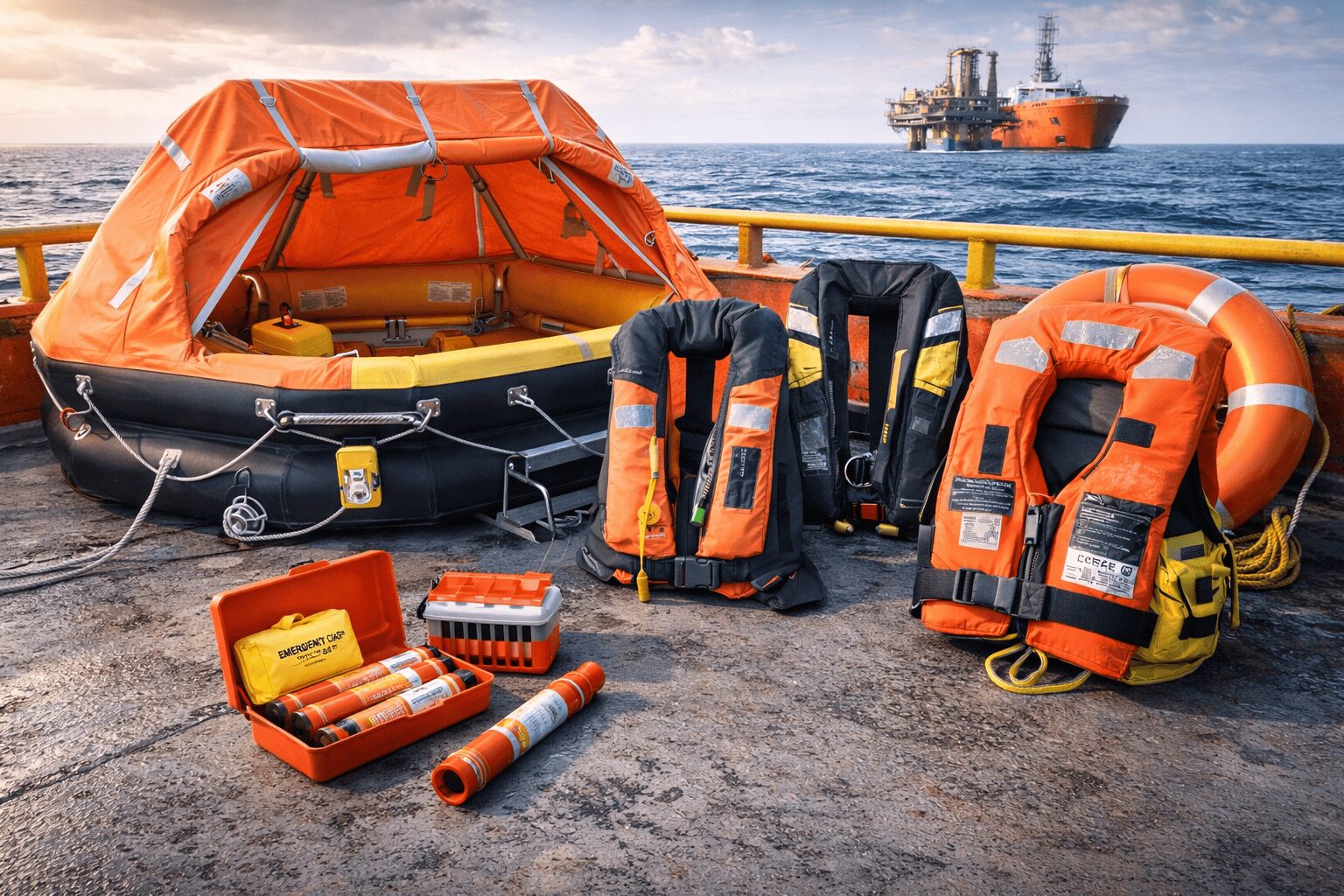
Marine environments are unpredictable by nature. Weather changes quickly, equipment can fail without warning, and even routine journeys can present unexpected risks. That’s why marine safety is not something to be considered occasionally—it must be built into every voyage from the start.
Marine safety equipment and marine safety supplies form the backbone of responsible boating, shipping, and offshore operations. Whether for commercial vessels, workboats, or recreational craft, the right safety setup helps protect lives, supports regulatory compliance, and improves confidence at sea.
This guide explains what marine safety equipment includes, why it matters, and how to choose reliable marine safety supplies that meet real-world needs.
Understanding Marine Safety Equipment
Marine safety equipment refers to the tools and systems designed to prevent accidents, support emergency response, and protect people onboard. These items are created specifically for maritime conditions, where corrosion, motion, and exposure are constant challenges.
Key categories of marine safety equipment include:
- Personal flotation and lifesaving gear
- Emergency communication and signalling devices
- Fire and damage control equipment
- Medical and survival supplies
Each category plays a different role, but together they create a complete safety framework for vessels of all sizes.
Personal Safety and Lifesaving Equipment
Personal safety equipment is often the first line of defence during emergencies. Items such as lifejackets, lifebuoys, and liferafts are designed to keep people afloat and visible if they enter the water.
Quality marine safety supplies in this category should be:
- Certified to recognised safety standards
- Appropriate for the vessel’s operating area
- Comfortable and easy to use
Life-saving equipment is most effective when it is accessible and properly maintained. Regular checks and crew awareness are just as important as the equipment itself.
Emergency Communication and Signalling
Communication is critical when something goes wrong at sea. Marine safety equipment includes radios, distress signalling devices, and visual markers that allow vessels to call for assistance and be located quickly.
Common communication and signalling supplies include:
- Marine radios for voice communication
- Distress signals such as flares
- Location beacons for search and rescue
Reliable marine safety supplies in this category help ensure that help can be reached even when conditions deteriorate or power systems fail.
Fire Safety and Damage Control
Fire is one of the most serious risks onboard any vessel. Marine safety equipment designed for fire prevention and control is essential for protecting both people and property.
This includes:
- Marine-approved fire extinguishers
- Fire blankets and alarms
- Bilge pumps and damage control tools
Using marine-specific safety supplies is critical, as land-based equipment may not perform reliably in wet or corrosive conditions.
Medical and First Aid Supplies
Injuries at sea can quickly become serious if not treated promptly. Marine safety supplies such as first aid kits are designed to handle common onboard injuries and stabilise more serious conditions until medical help becomes available.
A well-equipped first aid setup should:
- Match the vessel’s operating area
- Include supplies for cuts, burns, and trauma
- Be regularly checked for expired items
Medical preparedness is a key part of marine safety, particularly for vessels operating far from shore.
Why Quality Marine Safety Supplies Matter
Not all marine safety supplies offer the same level of reliability. Cheap or non-certified equipment can fail under pressure, creating additional risks during emergencies.
Investing in quality marine safety equipment provides:
- Greater reliability in critical situations
- Compliance with maritime regulations
- Longer service life and durability
- Confidence for crew and passengers
Well-chosen safety supplies are an investment in long-term protection, not just a regulatory requirement.
Choosing the Right Marine Safety Equipment
Selecting the right marine safety equipment depends on several factors, including vessel size, operating area, crew experience, and regulatory requirements.
When sourcing marine safety supplies, consider:
- Certification and compliance standards
- Suitability for coastal, offshore, or inland use
- Ease of maintenance and servicing
- Supplier knowledge and support
Working with experienced marine safety suppliers can help ensure that equipment selections are appropriate and up to date.
Maintenance and Ongoing Safety Management
Marine safety equipment requires regular inspection and maintenance to remain effective. Lifesaving gear, communication devices, and medical supplies all have service intervals and expiry dates.
A proactive safety routine should include:
- Scheduled equipment checks
- Replacement of expired or damaged items
- Crew training and familiarisation
- Record-keeping for inspections and servicing
Marine safety is not a one-time purchase—it’s an ongoing responsibility.
Informational Value Meets Practical Action
Understanding marine safety equipment is important, but having access to reliable marine safety supplies is what turns knowledge into action. Whether upgrading existing equipment or preparing a vessel for a new season, having the right supplies on hand makes safety planning easier and more effective.
Well-stocked and well-maintained safety equipment helps vessels operate confidently, knowing they are prepared for both routine operations and unexpected situations.
Final Thoughts
Marine safety equipment and marine safety supplies are essential components of responsible maritime operations. They protect lives, support compliance, and provide peace of mind in an environment where conditions can change quickly.
By choosing certified equipment, maintaining it properly, and treating safety as an ongoing priority, vessel operators can create safer, more resilient operations at sea. In marine environments, preparation is not optional—it’s essential.


 david mathew
 nikita pawar