Jack Ryan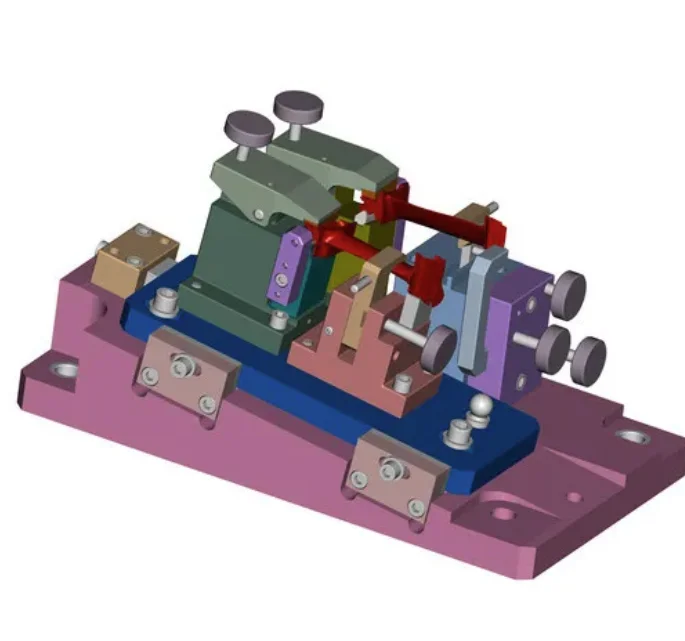
CNC manufacturing depends on controlled positioning, repeatable processes, and stable machining conditions to achieve reliable results. Even advanced machines cannot deliver consistent quality if parts are not held correctly. This is why jigs and fixtures play a vital role in modern CNC environments, ensuring each component remains accurately located and supported throughout machining operations. Proper workholding improves precision, reduces errors, and supports efficient production flow.
As tolerances become tighter and part designs more complex, manufacturers must focus on eliminating variability at the setup stage. Well-engineered jigs and fixtures tooling helps standardize operations, minimize manual adjustment, and maintain uniform quality across different machines and production batches.
Importance of Jigs and Fixtures in CNC Production
Creating Stable Reference Points
Jigs and fixtures define fixed reference points that align the workpiece with CNC machine axes. Without reliable locating, even small shifts can lead to dimensional inaccuracies and surface defects. Consistent positioning ensures that each machining operation begins from the same reference, supporting predictable and repeatable results.
Supporting Consistent Output
Consistency is essential in CNC manufacturing. When fixtures are designed correctly, operators can load parts quickly without repeated measurements. This repeatability reduces cycle time and improves machine utilization while maintaining the same quality level from the first part to the final piece.
Core Concepts Behind Jigs and Fixtures Tooling
Locating Methods for Precision Control
Locating determines how a workpiece is constrained during machining. Effective locating methods restrict unnecessary movement while allowing smooth loading and unloading. Properly planned locating improves dimensional stability and ensures cutting forces do not shift the part during machining.
Clamping Techniques for Secure Holding
Clamping must provide sufficient force without damaging the component. Excessive pressure can deform thin or delicate parts, while insufficient force may cause vibration. Balanced clamping distributes force evenly, maintains rigidity, and supports accurate machining throughout the process.
Materials and Construction Considerations
Selecting the Right Materials
Material choice affects fixture strength, weight, and service life. Hardened steel is commonly used for high-volume production due to its durability and wear resistance. Aluminum fixtures are lighter and easier to handle, making them suitable for flexible production environments. Protective contact materials may be added to prevent surface damage.
Structural Design for Rigidity
Rigid construction is critical for maintaining accuracy under cutting loads. Reinforced bases, ribs, and support elements reduce vibration and deflection. A well-built jig and fixture design device also improves chip flow and coolant access, contributing to stable machining conditions.
Custom Jigs and Fixtures for Complex Components
Supporting Irregular Geometries
Standard fixtures often struggle with complex shapes or multi-axis machining requirements. Custom solutions are developed to match specific part geometries, ensuring secure contact points and proper support. This approach allows intricate features to be machined accurately and safely.
Adapting to Production Changes
Manufacturing requirements evolve with new designs and order volumes. Custom jigs and fixtures tooling can include modular elements that adapt to different part variants. This flexibility reduces downtime and avoids the expense of building entirely new fixtures for every design change.
Common Types of Jigs and Fixtures in CNC Machining
Process-Specific Workholding Solutions
Different CNC operations require specialized workholding. Drilling jigs guide tools for accurate hole placement. Milling fixtures support complex surface machining and multi-axis operations. Turning fixtures maintain concentricity and balance during rotational machining, ensuring consistent results.
Modular and Dedicated Fixture Systems
Manufacturers choose fixture systems based on production volume and variability. Well-designed systems provide advantages such as:
-
Faster setup and changeover times
-
Consistent positioning across machines
-
Reduced long-term tooling costs
Quality Control Advantages of Proper Workholding
Reducing Setup Errors
Fixtures that guide part placement minimize reliance on manual judgment. Clear locating points and intuitive loading features help prevent misalignment. This consistency improves first-pass yield and reduces scrap in CNC manufacturing.
Improving Inspection Accuracy
When parts are consistently located, inspection results become more reliable. Stable workholding reduces measurement variation and supports tighter quality control throughout the production process.
Safety and Efficiency in CNC Operations
Enhancing Workplace Safety
Secure jigs and fixtures prevent unexpected part movement during machining. Stable workholding protects operators from part ejection and reduces the risk of tool or machine damage. Safer setups also lower downtime caused by accidents or equipment failure.
Increasing Overall Productivity
Efficient workholding allows machines to run smoothly with less vibration and tool wear. Reduced setup time and improved stability lead to higher productivity. Over time, these improvements help lower operating costs and increase profitability.
Digital Tools in Modern Fixture Design
CAD-Based Design and Validation
Computer-aided design has transformed fixture development. Engineers can simulate loads, clamping forces, and tool clearances before manufacturing. This digital approach reduces trial-and-error and ensures fixtures perform as intended in real machining environments.
Automation-Ready Fixture Solutions
As CNC automation expands, fixtures are evolving to support robotic loading and monitoring. Sensors can verify part presence and clamping status, improving process reliability. Automation-ready jig and fixture design devices enable unattended machining and consistent output.
Selecting the Right Jigs and Fixtures Partner
Importance of Technical Expertise
An experienced partner understands machining processes, materials, and tolerance requirements. Their knowledge ensures that each fixture supports production goals and quality standards. Strong engineering input results in reliable and practical solutions.
Long-Term Value of Precision Workholding
High-quality jigs and fixtures deliver long-term benefits by reducing scrap, shortening cycle times, and extending tool life. When designed with scalability in mind, these solutions continue to support changing production needs without compromising accuracy.
Conclusion
In CNC manufacturing, precision begins before machining starts. Effective jigs and fixtures provide the stability, accuracy, and repeatability required for modern production. By focusing on proper locating, controlled clamping, and durable construction, manufacturers can achieve consistent quality, safer operations, and higher efficiency. Well-designed workholding solutions are not just supporting tools but essential assets for long-term CNC manufacturing success.


 sanchana sethupati
 Levin John