ashly Gray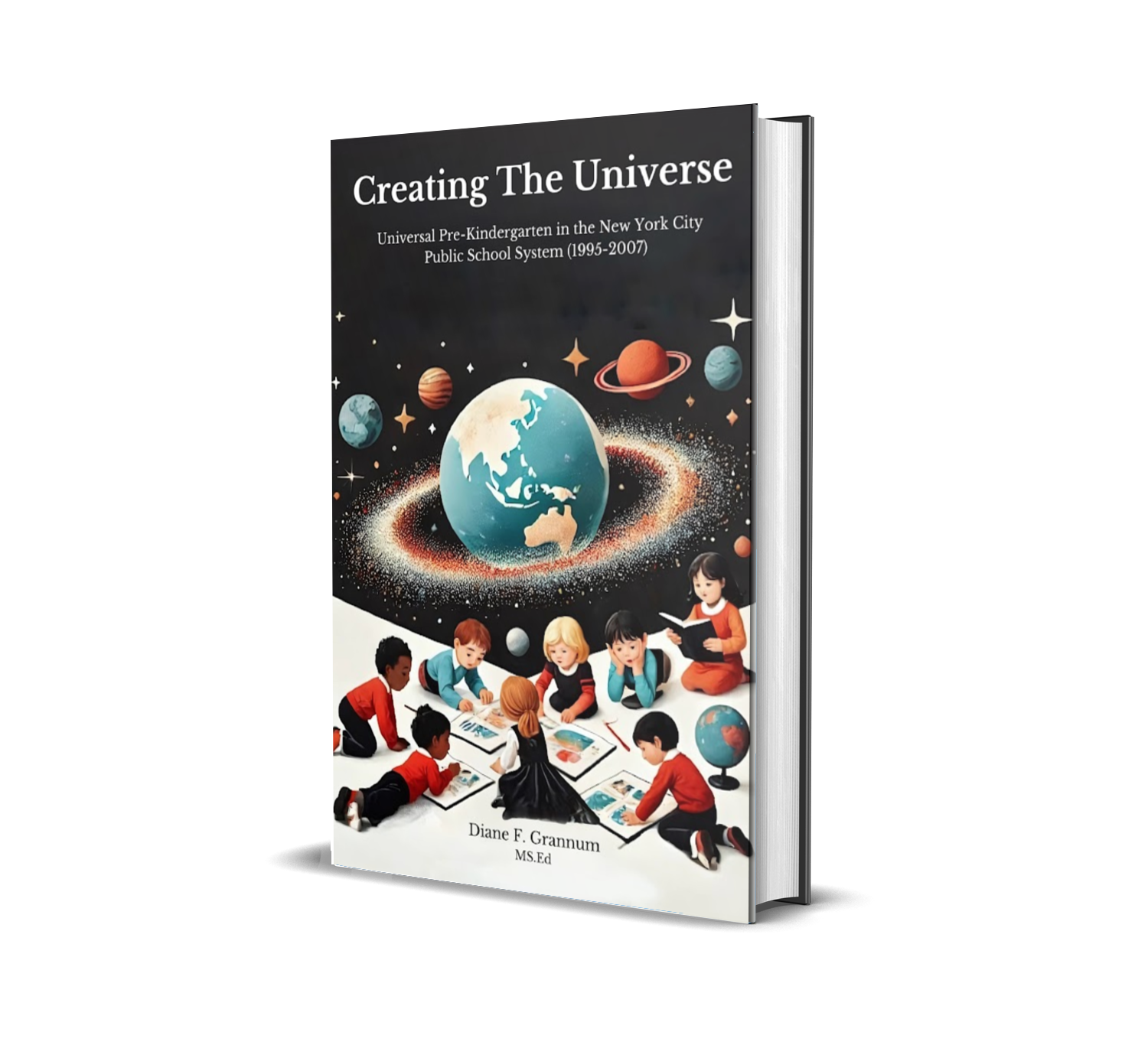
Choosing a preschool can feel a bit like standing in the cereal aisle at the grocery store—too many options, lots of bold promises, and a quiet fear of choosing the “wrong” one. If you’re a parent or caregiver trying to decide between private and public preschool, you’re not alone. This question comes up in almost every playground conversation, parenting forum, and family dinner debate.
So which one actually gives kids a better start?
The truth is, there’s no one-size-fits-all answer. But there is clarity once you understand the real differences, the myths, and what truly matters for young children. In this guide, written in a warm, practical tone inspired by the parenting insights often shared by Diane Grannum Author, we’ll break it all down—plainly, honestly, and without judgment.
What Preschool Is Really Meant to Do
Before we compare private vs public preschool, let’s clear something up. Preschool isn’t meant to turn your three-year-old into a tiny professor. Its real job is to help children learn how to learn.
Preschool builds:
-
Social skills
-
Emotional regulation
-
Basic language and number awareness
-
Confidence and curiosity
Think of preschool like laying the foundation of a house. You don’t see it once the walls go up, but everything depends on how strong it is. Whether that foundation is laid in a public or private setting matters less than how it’s built.
Understanding Public Preschool
Public preschool programs are usually funded by the government and often connected to public school districts. Some are universal, while others prioritize families based on income or need.
Key Features of Public Preschool
-
Low-cost or free
-
Standardized curriculum
-
Licensed teachers
-
Focus on school readiness
Public programs aim to give every child a fair start, especially those who might not otherwise have access to early education.
Understanding Private Preschool
Private preschools are independently run and funded through tuition. They vary widely in philosophy, cost, and quality.
Key Features of Private Preschool
-
Tuition-based
-
Flexible teaching approaches
-
Smaller class sizes (often)
-
Specialized programs (Montessori, Reggio Emilia, faith-based)
Private preschools often market themselves as offering something “extra,” but what that means can differ dramatically from one school to another.
Cost Comparison: What Are You Really Paying For?
Let’s talk money—because it matters.
Public Preschool Costs
-
Often free or very low-cost
-
Subsidized by taxes or grants
-
Limited seats may mean waitlists
Private Preschool Costs
-
Can range from moderate to very expensive
-
Parents pay for facilities, staff, and programming
-
Higher cost doesn’t always mean higher quality
Paying more doesn’t guarantee better outcomes. As Diane Grannum Author often emphasizes in her parenting discussions, value matters more than price.
Class Size and Teacher Attention
This is one area where private preschools sometimes shine—but not always.
Public Preschool
-
Typically follows state-mandated ratios
-
Teachers trained to manage larger groups
-
Consistent structure
Private Preschool
-
May offer smaller classes
-
More individualized attention
-
Quality depends on funding and leadership
A warm, attentive teacher can make a big class feel small—and a disengaged one can make a small class feel lonely.
Curriculum and Learning Style
Here’s where philosophies really differ.
Public Preschool Curriculum
-
Aligned with kindergarten standards
-
Focus on early literacy and numeracy
-
Predictable and structured
Private Preschool Curriculum
-
Can be play-based, academic, or mixed
-
Some emphasize creativity and exploration
-
Others focus on early academics
Neither approach is “better” across the board. Kids learn differently. Some thrive with structure; others bloom with freedom.
Teacher Qualifications and Stability
Teachers matter more than fancy classrooms or shiny brochures.
Public Preschool Teachers
-
Must meet state certification requirements
-
Often receive ongoing training
-
Higher job stability
Private Preschool Teachers
-
Requirements vary widely
-
Some are highly experienced
-
Others may have minimal training
Ask about teacher turnover. Consistency helps young children feel safe and secure.
Social Development and Diversity
Preschool is often a child’s first real community.
Public Preschool
-
Reflects the local population
-
Offers diverse peer groups
-
Helps kids learn inclusion early
Private Preschool
-
May serve more homogeneous families
-
Diversity depends on location and tuition
-
Can still foster strong social skills
Exposure to different backgrounds builds empathy—a lesson that lasts far beyond preschool.
Structure vs Flexibility
Do kids need routines? Absolutely. But they also need room to breathe.
Public Preschool
-
Fixed schedules
-
Clear expectations
-
Prepares kids for traditional school environments
Private Preschool
-
Often more flexible
-
May follow child-led learning
-
Adaptable schedules
Neither is wrong. It’s about fit—for both child and family.
School Readiness and Academic Outcomes
Here’s a surprise for many parents: long-term academic outcomes are similar for kids who attend quality public or private preschools.
What matters most?
-
Teacher-child interaction
-
Emotional support
-
Consistent attendance
-
Family involvement
Early pressure doesn’t equal early success.
Parental Involvement and Communication
Feeling connected matters.
Public Preschool
-
Formal communication systems
-
Scheduled conferences
-
Clear policies
Private Preschool
-
Often more informal
-
Daily chats and updates
-
Flexible parent participation
Choose what matches your communication style and availability.
Accessibility and Convenience
Logistics can make or break a good choice.
Consider:
-
Location
-
Transportation
-
Hours of operation
-
Aftercare availability
The “best” preschool won’t help much if getting there causes daily stress.
Myths Parents Often Believe
Let’s bust a few myths.
Myth 1: Private preschool is always better
Truth: Quality varies everywhere.
Myth 2: Public preschool is just daycare
Truth: Many programs are academically strong.
Myth 3: Early academics guarantee future success
Truth: Emotional skills matter just as much.
What Research and Real Life Tell Us
Studies consistently show that high-quality preschool—public or private—supports long-term success. But quality isn’t about labels.
As parenting experts like Diane Grannum Author often highlight, the magic lies in relationships, not reputations.
How to Choose What’s Right for Your Child
Ask yourself:
-
Is my child shy or outgoing?
-
Do they need structure or freedom?
-
What can our family realistically manage?
Trust your instincts. You know your child better than any brochure ever will.
Conclusion:
Private vs public preschool isn’t about winning or losing. It’s about fit, quality, and care. A loving teacher in a modest classroom can spark more growth than a fancy school without heart.
Think of preschool like a first pair of shoes. They don’t need to be the most expensive—just the right size, supportive, and comfortable enough to take those first big steps forward.
FAQs
1. Is private preschool better than public preschool?
Not necessarily. Quality depends on teachers, curriculum, and environment—not funding source.
2. Does public preschool prepare kids well for kindergarten?
Yes. Many public programs are specifically designed for school readiness.
3. Are smaller class sizes always better?
Smaller classes help, but strong teacher engagement matters more.
4. Can private preschool improve long-term academic success?
Research shows similar long-term outcomes when quality is high in either setting.
5. How do I know if a preschool is high quality?
Look for warm interactions, trained teachers, engaged children, and clear communication.

 Hyper Baric pro
 Bella Anderson