Ammar Saleem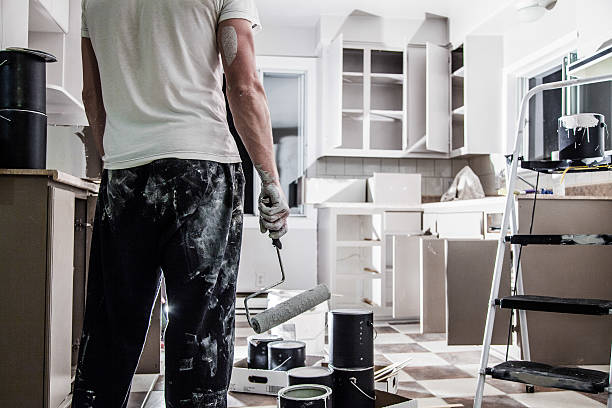
Cabinet painting has become one of the most effective ways to transform kitchens and interior spaces without the cost of full replacement. With the right techniques, materials, and preparation, homeowners can achieve a factory-like finish that enhances durability and visual appeal. Industry professionals, including Rockstar Painting, emphasize that success in cabinet painting depends on precision, preparation, and product selection.
Importance of Proper Cabinet Preparation
Cabinet painting is highly detail-oriented, and preparation is the foundation of a long-lasting finish. Without proper surface preparation, even high-quality paint will fail prematurely.
Deep Cleaning and Degreasing Surfaces
Kitchen cabinets accumulate grease, oils, and dust over time. Thorough cleaning using degreasers ensures that paint adheres properly to the surface.
Sanding for Smooth Adhesion
Light to medium sanding creates a textured surface that allows primer and paint to bond effectively. This step is essential for preventing peeling and chipping.
Choosing the Right Paint and Materials
Selecting the correct materials significantly impacts the final outcome of cabinet painting projects.
High-Quality Acrylic and Enamel Paints
Acrylic and enamel-based paints are commonly used for cabinets due to their durability and smooth finish. These paints resist scratches and moisture.
Primer Selection for Long-Term Durability
A bonding primer is essential for ensuring strong adhesion between the cabinet surface and paint layers, especially on wood or laminate materials.
Advanced Techniques for Cabinet Painting
Modern techniques have improved the efficiency and quality of cabinet refinishing projects.
Spray Painting for Factory Finish
Spray application provides a smooth, even finish without brush marks, making it the preferred method for professional results.
Brush and Roller Blending Methods
For smaller projects or touch-ups, a combination of brush and roller techniques can deliver precise and controlled coverage.
Role of Color Selection in Cabinet Design
Color plays a major role in transforming kitchen and storage spaces.
Neutral and Modern Tones
Shades like white, gray, and beige remain popular for creating clean and modern kitchen designs.
Bold Accent Colors
Deep blues, greens, and matte black finishes are increasingly used for contemporary cabinet styles.
Importance of Proper Drying and Curing
Drying time is critical in achieving a durable and professional finish.
Controlled Drying Environment
Cabinets should be allowed to dry in dust-free, temperature-controlled environments to prevent imperfections.
Full Curing for Maximum Strength
While paint may feel dry within hours, full curing can take several days, ensuring maximum durability and hardness.
Common Mistakes in Cabinet Painting
Avoiding common errors can significantly improve the quality and lifespan of cabinet finishes.
Skipping Surface Preparation
Failing to clean and sand surfaces properly often leads to peeling and uneven finishes.
Using Low-Quality Paint
Cheap paints may save money initially but result in faster wear and frequent repainting.
Benefits of Professional Cabinet Painting
Hiring skilled professionals ensures consistent quality and long-term performance.
Time Efficiency and Precision
Professional painters complete projects faster while maintaining high-quality standards.
Improved Aesthetic Value
Expert application enhances the visual appeal of cabinets, making interiors look modern and refreshed.
Maintenance Tips for Painted Cabinets
Proper care extends the life of painted cabinets and maintains their appearance.
Regular Gentle Cleaning
Using mild cleaners and soft cloths helps preserve paint integrity without damaging surfaces.
Avoiding Excess Moisture Exposure
Excess moisture can weaken paint layers, especially around sinks and cooking areas.
Trends in Modern Cabinet Painting
Cabinet painting trends continue to evolve with modern interior design preferences.
Two-Tone Cabinet Designs
Combining different colors for upper and lower cabinets adds depth and visual interest.
Matte and Satin Finishes
Matte finishes provide a modern look, while satin finishes offer a slight sheen and easier cleaning.
Environmental Considerations in Cabinet Painting
Sustainability is becoming an important factor in modern painting practices.
Low-VOC Paint Options
Low-VOC paints reduce harmful emissions and improve indoor air quality.
Eco-Friendly Refinishing Practices
Using sustainable materials and reducing waste contributes to environmentally responsible renovation.
Future of Cabinet Painting Industry
The cabinet painting industry is evolving with new technologies and design innovations.
Advanced Coating Technologies
New coatings offer enhanced durability, scratch resistance, and faster curing times.
Digital Color Matching Tools
Technology now allows precise color matching to achieve perfect design consistency.
Conclusion
Cabinet painting is a cost-effective and transformative solution for upgrading interior spaces when executed with proper techniques and materials. Attention to detail, preparation, and product quality are essential for achieving lasting results. For homeowners seeking Cabinet painting in Denver CO, professional services ensure smooth finishes, improved durability, and modern design appeal. Cabinet painting continues to be a key part of interior renovation success.
FAQs
What is the most important step in cabinet painting?
Proper cleaning and sanding are essential for strong paint adhesion.
Which paint is best for cabinets?
Acrylic and enamel paints are commonly used for durability and smooth finish.
How long does cabinet paint last?
High-quality cabinet paint can last 7–10 years with proper care.
Can cabinets be painted without sanding?
Sanding is highly recommended for better adhesion and durability.
Are professional cabinet painters worth it?
Yes, they provide higher quality, faster completion, and longer-lasting results.