Anthony Rill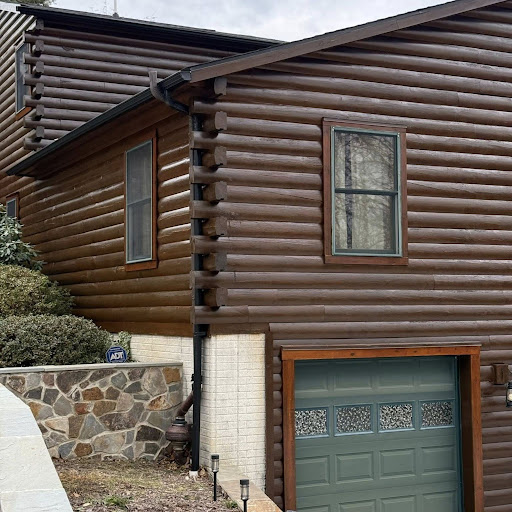
A lot of cabin owners ignore small signs of decay for way too long. That’s usually how expensive problems start. When it comes to log cabin repair rotten logs, the damage rarely stays in one spot. Moisture spreads. Wood softens. Insects move in. Before you know it, a section of the wall that looked “not too bad” starts sagging or cracking around windows and corners. Let’s be real, rotten logs don’t fix themselves. The short answer is if you catch the issue early, repairs stay manageable. Wait too long and you’re dealing with structural headaches that cost serious money.
What Causes Rotten Logs in the First Place
Most rot problems come down to trapped moisture. It sounds simple because it kinda is. Rain splashes against lower logs. Gutters overflow. Soil sits too close to the cabin walls. Sometimes it’s poor staining work from years ago. Other times the original builder skipped proper overhangs, which honestly happens more than people think. Once water gets into the wood fibers and stays there, fungi starts growing. That’s when decay begins. Soft spots, dark staining, crumbling wood, all classic signs. Some cabins hide it well too, especially older ones with thick stain layers covering damage underneath.
How to Spot Rotten Log Damage Before It Gets Severe
One mistake people make is waiting for obvious damage. You don’t wanna wait for logs to literally fall apart. Walk around the cabin every few months. Press suspicious areas with a screwdriver or awl. If the wood sinks easily or flakes apart, there’s trouble. Pay attention near the foundation, around doors, beneath windows, and under roof drip lines. Those areas take the most water abuse. You might also notice musty smells indoors or drafts where solid wood used to seal tightly. Truth is, cabins usually warn you before things get ugly. Most owners just miss the signals.
Professional Repairs Start With Finding the Real Source
Here’s where a lot of DIY repairs fail. People replace damaged logs without fixing the water issue causing the rot. So the new wood ends up failing too. Professionals always track the moisture source first. Maybe the grading slopes toward the cabin. Maybe the gutters dump water beside the wall. Could be bad caulking or cracked chinking letting moisture sneak in. Whatever the issue is, stopping water intrusion matters more than replacing wood at first. Otherwise you’re basically putting a bandage on a leaking pipe. It looks fixed for a while, then comes right back.
When Log Replacement Is Necessary
Not every rotten log needs full replacement. Sometimes epoxy repairs or partial splicing works fine. But if the damage reaches deep into structural areas, replacement becomes the safer route. Lower wall logs are common problem spots because they catch years of splash-back moisture from rain and snow. Replacing those logs takes experience and proper support systems. A contractor may need to jack parts of the structure slightly to remove damaged sections safely. Sounds intense because honestly, it can be. But done correctly, the cabin becomes solid again and lasts decades longer.
Why Matching Wood Species and Moisture Content Matters
This part gets overlooked all the time. You can’t just throw random logs into an old cabin and expect everything to work perfectly. Different wood species expand and shrink differently. Moisture content matters too. If replacement logs are too wet, they’ll shrink later and create gaps or settling issues. Skilled restoration crews try to match grain patterns, wood type, diameter, and even aging characteristics so repairs blend naturally. A patchy-looking repair job stands out badly on a log home. Good repair work should feel almost invisible from a distance.
Protecting Repaired Logs From Future Damage
Once repairs are finished, protection becomes the next big thing. Fresh stain helps but it’s not magic. Cabins need maintenance. Period. High-quality sealants and UV-resistant stains help shed water and slow weathering. Roof overhangs should direct rain away properly. Landscaping matters too, weirdly enough. Bushes packed tightly against cabin walls trap moisture and airflow. That’s a problem. Keeping firewood stacks away from the structure also reduces insect risk. Small habits make a huge difference over time. Truth is, prevention costs way less than major reconstruction work later on.
Choosing the Right Team for Serious Restoration Work
Hiring the cheapest contractor for log work usually ends badly. Log structures behave differently than regular houses. They settle, shift, breathe. A crew experienced in log home repair and restoration understands those details. They know how to preserve structural integrity while keeping the cabin’s original character intact. Ask for project photos. Ask what products they use. Ask how they handle hidden moisture damage. And if somebody gives vague answers or pushes fast fixes, walk away. Good restoration work takes planning and patience, even if that’s not what people wanna hear.
Final Thoughts on Keeping a Log Cabin Strong for the Long Run
Owning a log cabin comes with responsibility. They’re durable homes, sure, but they need attention. Rotten logs don’t happen overnight, and most severe damage could’ve been slowed down with earlier maintenance. That’s the frustrating part honestly. Still, even badly damaged cabins can often be restored with the right approach and skilled repair work. Keep water away from the structure. Inspect problem areas often. Don’t ignore soft wood or staining. A little effort now saves massive repairs later, and keeps the cabin standing strong for the next generation instead of becoming another neglected property falling apart in the woods.

 Ammar Saleem