Muhammad Usman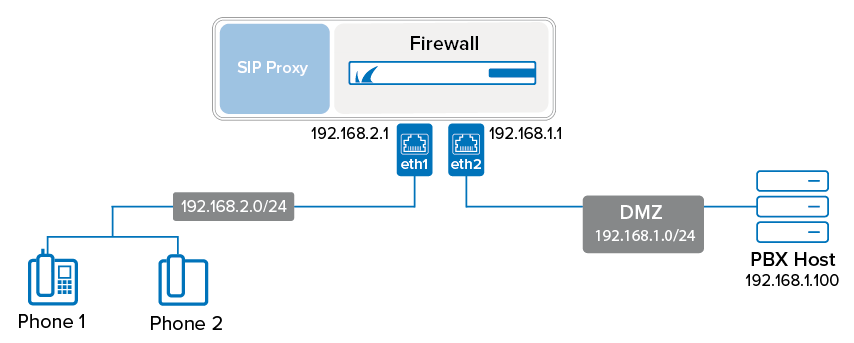
Modern communication systems rely on fast, reliable, and secure connections to support voice, video, and real-time collaboration. At the core of these systems is the Session Initiation Protocol (SIP), and one of its most important components is the SIP Proxy. Although it operates behind the scenes, the SIP Proxy plays a vital role in managing and controlling communication across today’s IP-based networks.
Understanding SIP in Modern Communications
SIP is a signaling protocol used to initiate, manage, and terminate multimedia communication sessions such as voice calls, video conferencing, and instant messaging. It enables communication between endpoints across different networks, devices, and platforms. However, SIP alone cannot efficiently manage large-scale or complex communication environments. This is where the SIP Proxy becomes essential.
What Is a SIP Proxy?
A SIP Proxy is an intermediary server that receives SIP requests from clients and forwards them to the appropriate destination. Instead of allowing endpoints to communicate directly, the proxy centralizes signaling control, ensuring that communication sessions are established efficiently and securely.
Key Roles of SIP Proxy in Modern Communication Systems
1. Intelligent Call and Session Routing
One of the primary roles of a SIP Proxy is routing communication requests. It analyzes SIP messages and determines the best path for calls or sessions based on user location, network conditions, and routing policies. This allows organizations to manage communication across multiple offices, cloud platforms, and service providers.
2. Scalability and Network Efficiency
Modern communication systems must support a growing number of users and devices. SIP Proxies enable scalability by handling large volumes of signaling traffic and distributing requests across multiple servers. This ensures consistent performance as communication demands increase.
3. Security and Access Control
Security is a major concern in today’s communication environments. SIP Proxies help protect systems by authenticating users, filtering unauthorized requests, and blocking malicious traffic. By acting as a controlled entry point, the proxy reduces exposure to common VoIP threats such as spoofing and denial-of-service attacks.
4. Support for Unified Communications
Unified Communications (UC) platforms combine voice, video, messaging, and collaboration tools into a single system. SIP Proxies play a critical role in coordinating these services by managing session initiation and ensuring seamless interaction between different communication applications.
5. Load Balancing and High Availability
To maintain reliability, modern systems require redundancy and failover capabilities. SIP Proxies can balance traffic across multiple servers and reroute sessions in case of failures. This minimizes downtime and ensures uninterrupted communication.
6. Policy Enforcement and Cost Control
SIP Proxies allow administrators to apply policies that govern how communication sessions are handled. This includes routing international calls through cost-effective gateways, prioritizing internal traffic, and restricting unauthorized destinations. Such control helps organizations manage communication costs and comply with regulatory requirements.
SIP Proxy in Cloud and Hybrid Environments
As businesses move toward cloud and hybrid communication models, SIP Proxies serve as a bridge between on-premises systems and cloud services. They enable seamless interoperability, making it easier to integrate legacy infrastructure with modern communication platforms.
Final Thoughts
The SIP Proxy is a foundational element of modern communication systems. By managing routing, enhancing security, supporting scalability, and enabling unified communications, it ensures reliable and efficient connectivity across diverse networks. As communication technologies continue to evolve, the role of the SIP Proxy remains essential in delivering high-quality, flexible, and secure communication experiences.


 Hyper Baric pro
 Bella Anderson