Lenvitz 71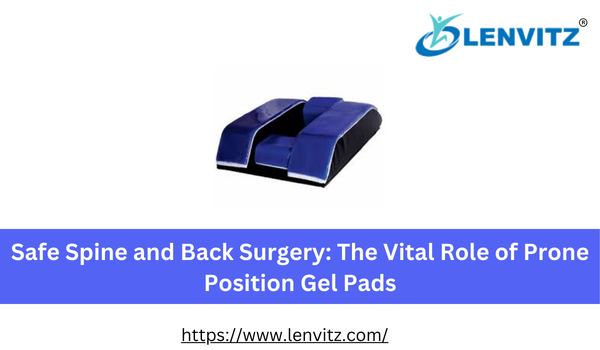
When a patient is scheduled for spinal surgery or a procedure on the back of the legs, they are placed in what medical professionals call the Prone Position. Essentially, this means lying face-down. While this position gives surgeons the best access to the spine, it presents unique challenges for the patient’s body. Without the right equipment, like a specialized ot table mat and high-tech prone position gel pads, the body can face significant risks during these long procedures.
In this guide, we will explore how modern technology keeps patients safe and comfortable when they are “face-down” on the operating table.
1. Understanding the Challenges of the Prone Position
Lying on your stomach for a few minutes on a mattress feels fine, but being in a surgical Prone Position for several hours is a different story. In this state, the patient’s entire weight rests on the chest, pelvic bones, and knees.
The primary goal of the surgical team is to ensure that the abdomen can move freely for breathing and that no single “bony prominence” is carrying too much weight. This is where an advanced ot table mat becomes the first line of defense, providing a foundational layer of pressure redistribution across the entire length of the body.
2. Protecting the Face with a Prone Head Rest
Perhaps the most delicate part of face-down surgery is managing the head. Unlike lying on a pillow at home, a patient in surgery needs their airway kept perfectly clear for anesthesia tubes, and their eyes must be protected from any pressure.
A prone head rest is a specifically engineered device made of soft, medical-grade gel. It typically features:
- Airway Channels: Allowing space for intubation tubes so they don’t kink or press against the skin.
- Eye Cutouts: Ensuring there is zero pressure on the eyeballs, which is critical for preventing serious post-operative vision complications.
- Forehead and Chin Support: Distributing the weight of the skull so the patient doesn’t wake up with bruising or skin breakdown on the face.
The use of a high-quality prone head rest ensures that while the surgeon works on the back, the front of the patient remains completely shielded.
3. Total Body Support: Prone Position Gel Pads
Beyond the head, the rest of the body requires targeted cushioning. Prone position gel pads are used strategically under the chest and the iliac crest (pelvic bones).
Why Gel is Better than Foam
In the Prone Position, foam padding often “bottoms out,” meaning it squashes down until the patient is essentially touching the hard table. Prone position gel pads, however, are viscoelastic. They move with the patient and maintain their thickness, providing a “floating” sensation. This is essential for:
- Nerve Protection: Keeping the nerves in the arms and legs from being compressed.
- Circulation: Maintaining blood flow to the skin to prevent pressure sores.
- Stability: Ensuring the patient doesn’t shift during the delicate movements of spinal surgery.
4. The Foundation: The Modern OT Table Mat
The entire surgical setup relies on the ot table mat. Modern mats are often integrated with gel layers that work in tandem with specialized prone position gel pads. These mats are non-slip, ensuring that even when the table is tilted, the patient stays securely in place. Furthermore, they are designed to be fluid-resistant and easy to clean, maintaining a sterile environment for every procedure.
Conclusion: Excellence in Patient Positioning
The success of a back surgery is measured by more than just the spinal correction; it is measured by a patient waking up without avoidable complications. By combining a stable ot table mat, a protective prone head rest, and anatomically designed prone position gel pads, healthcare providers can ensure the highest level of safety during the Prone Position.


 Leo Hanry
 Kickstart Therapy