Jeena Sikho HiiMS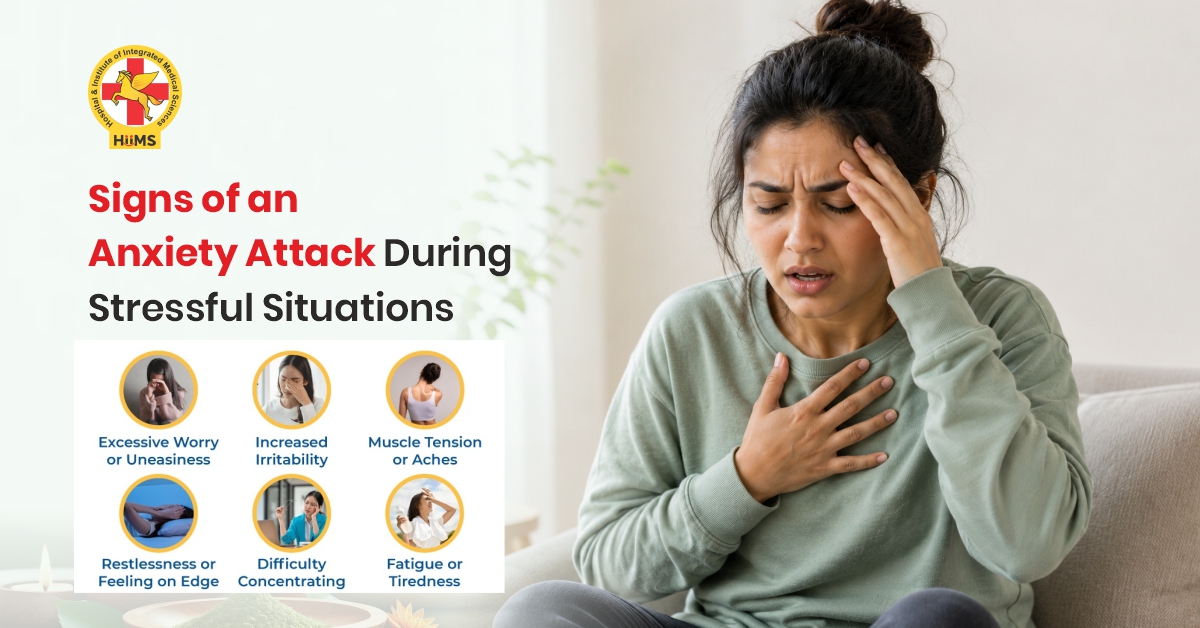
Stress has become a common part of modern life. From work responsibilities and family commitments to financial concerns and personal challenges, people often find themselves under constant pressure. While occasional stress is normal, prolonged stress can sometimes lead to anxiety. Understanding the Signs of an Anxiety Attack can help you recognize when your body and mind need attention.
Many people experience anxiety without realizing what is happening. They may suddenly feel their heart racing, struggle to catch their breath, or experience overwhelming fear without an obvious reason. These symptoms can be frightening, especially when they appear unexpectedly. Learning about anxiety attacks can help you respond calmly and seek support when needed.
What Are Anxiety Attacks?
An anxiety attack is an intense episode of fear, worry, or discomfort that develops quickly. It can cause both physical and emotional symptoms that may feel overwhelming. Anxiety attacks often occur during stressful situations, but they can also happen unexpectedly.
The Signs of an Anxiety Attack vary from person to person. Some individuals mainly experience physical symptoms, while others notice emotional or mental changes first.
Common Signs of an Anxiety Attack
Recognizing the Signs of an Anxiety Attack is important because early awareness can make the experience easier to manage.
Physical Symptoms
Many anxiety attacks begin with physical changes in the body. Common symptoms include:
- Rapid or pounding heartbeat
- Shortness of breath
- Chest tightness or discomfort
- Sweating
- Shaking or trembling
- Dizziness
- Nausea or stomach discomfort
- Tingling sensations in the hands or feet
- Muscle tension
These symptoms can feel alarming and sometimes resemble other health conditions.
Emotional Symptoms
Anxiety affects emotions as well as the body. Common emotional symptoms include:
- Sudden feelings of fear or panic
- Excessive worry
- Feeling overwhelmed
- Irritability
- Restlessness
- Fear of losing control
- A sense of impending danger
These emotional changes are among the most common Signs of an Anxiety Attack and can interfere with daily life if they occur frequently.
What Causes Anxiety Attacks?
Understanding potential triggers can help you identify patterns and reduce future episodes.
Stress
Stress is one of the leading causes of anxiety attacks. Workplace pressure, deadlines, financial worries, and personal challenges can contribute to heightened anxiety levels.
Lack of Sleep
Poor sleep affects the body’s ability to manage stress. Individuals who regularly experience sleep deprivation may be more vulnerable to anxiety attacks.
Emotional Challenges
Relationship difficulties, grief, family conflicts, and major life changes can increase emotional stress and contribute to anxiety.
Overthinking
Constant worrying and negative thought patterns can make anxiety symptoms worse over time.
Lifestyle Factors
Excessive caffeine consumption, poor eating habits, and lack of physical activity may also increase anxiety levels in some individuals.
How Anxiety Affects Daily Life
The Signs of an Anxiety Attack can impact many areas of life. Some people avoid social situations because they fear experiencing symptoms in public. Others may find it difficult to focus at work or complete daily responsibilities.
Over time, unmanaged anxiety can affect sleep quality, energy levels, productivity, and overall well-being. This is why early recognition and management are important.
How to Calm an Anxiety Attack
While anxiety attacks can feel overwhelming, there are several techniques that may help reduce symptoms.
Focus on Breathing
Slow, controlled breathing can help calm the nervous system.
Try this simple technique:
- Inhale slowly for four seconds
- Hold for four seconds
- Exhale for four seconds
- Repeat several times
Ground Yourself
Grounding techniques help shift attention away from anxious thoughts.
A common method is the 5-4-3-2-1 technique:
- Name five things you see
- Four things you can touch
- Three things you hear
- Two things you smell
- One thing you taste
Move to a Calm Environment
If possible, step away from crowded or stressful situations. A quiet environment can help reduce stimulation and promote relaxation.
Stay Hydrated
Drinking water and focusing on your physical needs may help you feel more grounded during an anxiety attack.
Long-Term Anxiety Management
Managing anxiety requires more than addressing individual episodes. Long-term improvements often come from healthy daily habits.
Prioritize Sleep
Aim for consistent, high-quality sleep each night.
Exercise Regularly
Physical activity can support emotional well-being and help reduce stress levels.
Maintain a Balanced Diet
Nutritious foods provide the body with the energy and nutrients needed to cope with stress more effectively.
Practice Relaxation Techniques
Meditation, mindfulness, and deep breathing exercises may help reduce anxiety over time.
When Should You Seek Help?
Occasional anxiety is common, but professional support may be beneficial if:
- Anxiety attacks happen frequently
- Symptoms interfere with daily activities
- Sleep is consistently affected
- Fear and worry become difficult to control
- Anxiety impacts relationships or work performance
Seeking guidance early can make managing anxiety easier and more effective.
Conclusion
The Signs of an Anxiety Attack can appear suddenly and feel overwhelming, but understanding these symptoms is the first step toward better management. Rapid heartbeat, shortness of breath, excessive worry, dizziness, and fear are common indicators that your body is responding to stress.
By recognizing triggers, practicing calming techniques, and making positive lifestyle changes, many people can improve their ability to manage anxiety. Early awareness and timely support can make a meaningful difference in overall mental wellness.
Book an Appointment
If you are experiencing frequent anxiety symptoms or looking for personalized wellness guidance, Book an Appointment with Jeena Sikho HIIMS. Our holistic approach focuses on supporting overall well-being and helping individuals achieve better balance in their daily lives.


 Priyanka Sharma
 J PAK Ltd