Weboxx Team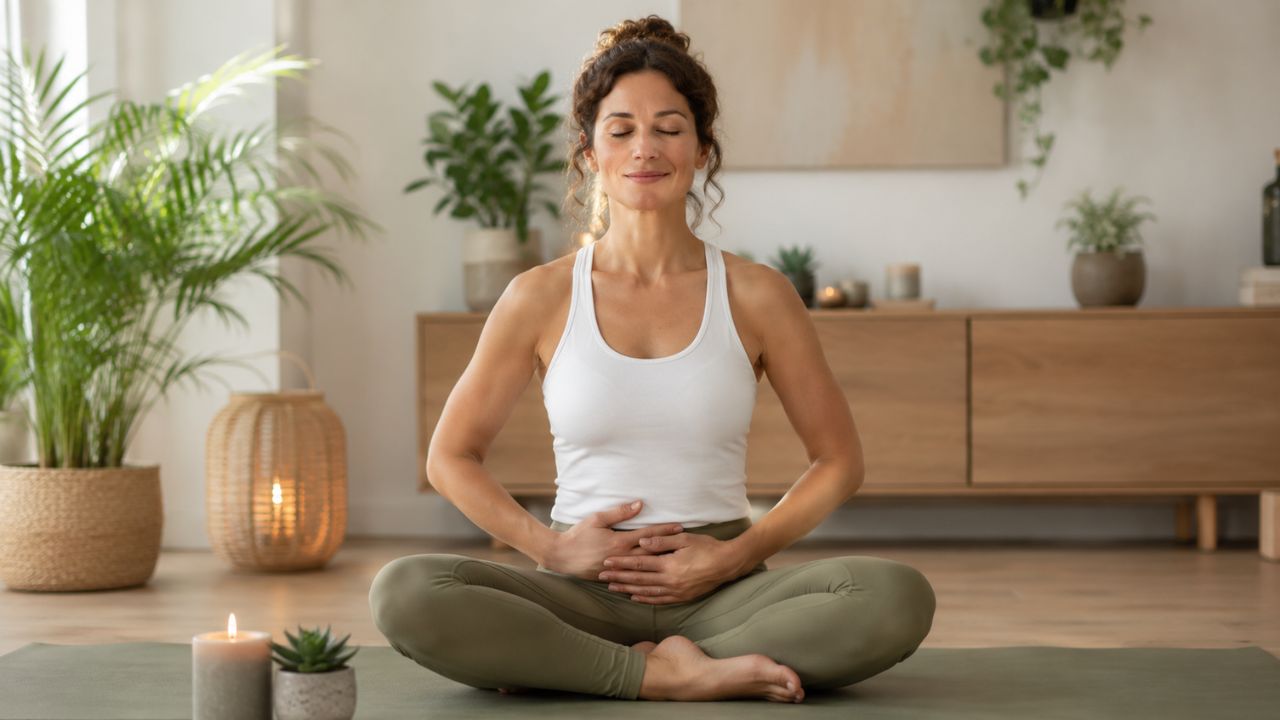
Stress can affect the body in many ways. For some people, it appears as headaches, poor sleep, muscle tightness, stomach discomfort, or constant worry. For others, stress may also show up as tension in the pelvic area. Because the mind and body are deeply connected, learning how to calm your nervous system can support both emotional balance and physical comfort.
Two helpful topics many people explore are the 54321 grounding technique and ways to manage a hypertonic pelvic floor. While these are different concerns, both involve learning how to reduce tension and build body awareness.
Understanding the Mind-Body Connection
When you feel stressed or anxious, your nervous system may stay in a state of alert. This can cause muscles to tighten, breathing to become shallow, and the body to feel restless. Over time, repeated stress can make it difficult for the body to relax fully.
The pelvic floor is a group of muscles that supports the bladder, bowel, and reproductive organs. Like the shoulders, jaw, or neck, these muscles can also hold tension. Many people do not notice pelvic tension until it begins causing discomfort, pressure, or changes in daily function.
Building awareness of your body’s stress response is an important first step toward feeling more in control.
Why Grounding Techniques Can Help
Grounding techniques are simple exercises that bring your attention back to the present moment. They are often used when someone feels overwhelmed, anxious, or disconnected from their surroundings.
One popular method is the 5-4-3-2-1 technique. It uses the senses to shift attention away from racing thoughts and toward what is happening right now. This type of practice can help calm the mind, slow breathing, and reduce the feeling of panic.
Grounding does not require special equipment. It can be done at home, at work, while traveling, or during a stressful moment. The goal is not to ignore emotions, but to give the nervous system a chance to settle.
How Stress Can Contribute to Muscle Tension
Stress often creates patterns in the body. Some people clench their jaw, raise their shoulders, or tighten their stomach without realizing it. The same can happen with pelvic muscles.
When muscles remain tight for too long, they may become uncomfortable, sensitive, or difficult to relax. This can affect posture, breathing, movement, and overall comfort. A tight pelvic floor may also be linked with symptoms such as pelvic pressure, pain, difficulty relaxing during urination or bowel movements, and discomfort during intimacy.
Because symptoms can have many causes, it is important to seek guidance from a qualified healthcare professional if pelvic discomfort continues or worsens.
The Role of Breathing in Relaxation
Breathing is one of the simplest ways to communicate safety to the body. Slow, gentle breathing can help reduce tension and support relaxation.
Diaphragmatic breathing, also called belly breathing, encourages the ribs, abdomen, and pelvic floor to move naturally. When you inhale, the belly and ribs gently expand. When you exhale, the body softens. Practicing this regularly may help you become more aware of where you hold tension.
This does not mean forcing the body to relax. Instead, the goal is to create a calm environment where the muscles can gradually release.
Building Better Body Awareness
Many people with chronic stress or pelvic tension become disconnected from body signals. They may push through discomfort, ignore early signs of tension, or only notice symptoms when they become intense.
Body awareness helps you recognize small changes sooner. You might notice when your breathing becomes shallow, when your shoulders rise, or when your pelvic muscles feel guarded. Once you notice these signals, you can pause and choose a calming strategy.
Simple practices like grounding, stretching, mindful breathing, and gentle movement can help improve this awareness over time.
Gentle Movement and Daily Habits
Movement can support circulation, reduce stiffness, and improve overall wellbeing. For pelvic wellness, gentle activities are often better than aggressive exercises when tension is present.
Walking, relaxed stretching, yoga-inspired movements, and mobility exercises may help the body release stress. However, intense core workouts or excessive strengthening may not be suitable for everyone, especially if the pelvic floor is already tight.
Daily habits also matter. Sitting for long periods, poor posture, high stress, constipation, and breath-holding can all contribute to tension. Small changes, such as taking breaks, improving hydration, and using proper bathroom habits, may support pelvic comfort.
When to Seek Professional Support
Self-care techniques can be helpful, but they are not a replacement for medical care. If you experience ongoing pelvic pain, bladder or bowel changes, pain during intimacy, or symptoms that interfere with daily life, consider speaking with a pelvic floor physical therapist or healthcare provider.
A professional can assess your symptoms, explain what may be happening, and create a personalized plan. This may include relaxation training, manual therapy, breathing work, posture guidance, and lifestyle recommendations.
Getting support early can prevent symptoms from becoming more difficult to manage.
Creating a Calm Routine
A calm routine does not need to be complicated. Even five to ten minutes a day can make a difference. You might begin with a grounding exercise, followed by slow breathing and a few gentle stretches.
Consistency is more important than perfection. The goal is to teach your body that it is safe to slow down. Over time, these small habits can help reduce stress, improve awareness, and support better physical comfort.
Final Thoughts
Stress and pelvic tension can feel frustrating, but simple mind-body tools can help you take the first step toward relief. Grounding techniques can calm racing thoughts, while breathing, awareness, and gentle movement can support muscle relaxation.
By learning to listen to your body and respond with care, you can create healthier patterns for both emotional and pelvic wellness. For ongoing symptoms, professional guidance is always the best way to receive safe and personalized support.
Stress can affect the body in many ways. For some people, it appears as headaches, poor sleep, muscle tightness, stomach discomfort, or constant worry. For others, stress may also show up as tension in the pelvic area. Because the mind and body are deeply connected, learning how to calm your nervous system can support both emotional balance and physical comfort.
Two helpful topics many people explore are the 54321 grounding technique and ways to manage a hypertonic pelvic floor. While these are different concerns, both involve learning how to reduce tension and build body awareness.
Understanding the Mind-Body Connection
When you feel stressed or anxious, your nervous system may stay in a state of alert. This can cause muscles to tighten, breathing to become shallow, and the body to feel restless. Over time, repeated stress can make it difficult for the body to relax fully.
The pelvic floor is a group of muscles that supports the bladder, bowel, and reproductive organs. Like the shoulders, jaw, or neck, these muscles can also hold tension. Many people do not notice pelvic tension until it begins causing discomfort, pressure, or changes in daily function.
Building awareness of your body’s stress response is an important first step toward feeling more in control.
Why Grounding Techniques Can Help
Grounding techniques are simple exercises that bring your attention back to the present moment. They are often used when someone feels overwhelmed, anxious, or disconnected from their surroundings.
One popular method is the 5-4-3-2-1 technique. It uses the senses to shift attention away from racing thoughts and toward what is happening right now. This type of practice can help calm the mind, slow breathing, and reduce the feeling of panic.
Grounding does not require special equipment. It can be done at home, at work, while traveling, or during a stressful moment. The goal is not to ignore emotions, but to give the nervous system a chance to settle.
How Stress Can Contribute to Muscle Tension
Stress often creates patterns in the body. Some people clench their jaw, raise their shoulders, or tighten their stomach without realizing it. The same can happen with pelvic muscles.
When muscles remain tight for too long, they may become uncomfortable, sensitive, or difficult to relax. This can affect posture, breathing, movement, and overall comfort. A tight pelvic floor may also be linked with symptoms such as pelvic pressure, pain, difficulty relaxing during urination or bowel movements, and discomfort during intimacy.
Because symptoms can have many causes, it is important to seek guidance from a qualified healthcare professional if pelvic discomfort continues or worsens.
The Role of Breathing in Relaxation
Breathing is one of the simplest ways to communicate safety to the body. Slow, gentle breathing can help reduce tension and support relaxation.
Diaphragmatic breathing, also called belly breathing, encourages the ribs, abdomen, and pelvic floor to move naturally. When you inhale, the belly and ribs gently expand. When you exhale, the body softens. Practicing this regularly may help you become more aware of where you hold tension.
This does not mean forcing the body to relax. Instead, the goal is to create a calm environment where the muscles can gradually release.
Building Better Body Awareness
Many people with chronic stress or pelvic tension become disconnected from body signals. They may push through discomfort, ignore early signs of tension, or only notice symptoms when they become intense.
Body awareness helps you recognize small changes sooner. You might notice when your breathing becomes shallow, when your shoulders rise, or when your pelvic muscles feel guarded. Once you notice these signals, you can pause and choose a calming strategy.
Simple practices like grounding, stretching, mindful breathing, and gentle movement can help improve this awareness over time.
Gentle Movement and Daily Habits
Movement can support circulation, reduce stiffness, and improve overall wellbeing. For pelvic wellness, gentle activities are often better than aggressive exercises when tension is present.
Walking, relaxed stretching, yoga-inspired movements, and mobility exercises may help the body release stress. However, intense core workouts or excessive strengthening may not be suitable for everyone, especially if the pelvic floor is already tight.
Daily habits also matter. Sitting for long periods, poor posture, high stress, constipation, and breath-holding can all contribute to tension. Small changes, such as taking breaks, improving hydration, and using proper bathroom habits, may support pelvic comfort.
When to Seek Professional Support
Self-care techniques can be helpful, but they are not a replacement for medical care. If you experience ongoing pelvic pain, bladder or bowel changes, pain during intimacy, or symptoms that interfere with daily life, consider speaking with a pelvic floor physical therapist or healthcare provider.
A professional can assess your symptoms, explain what may be happening, and create a personalized plan. This may include relaxation training, manual therapy, breathing work, posture guidance, and lifestyle recommendations.
Getting support early can prevent symptoms from becoming more difficult to manage.
Creating a Calm Routine
A calm routine does not need to be complicated. Even five to ten minutes a day can make a difference. You might begin with a grounding exercise, followed by slow breathing and a few gentle stretches.
Consistency is more important than perfection. The goal is to teach your body that it is safe to slow down. Over time, these small habits can help reduce stress, improve awareness, and support better physical comfort.
Final Thoughts
Stress and pelvic tension can feel frustrating, but simple mind-body tools can help you take the first step toward relief. Grounding techniques can calm racing thoughts, while breathing, awareness, and gentle movement can support muscle relaxation.
By learning to listen to your body and respond with care, you can create healthier patterns for both emotional and pelvic wellness. For ongoing symptoms, professional guidance is always the best way to receive safe and personalized support.


 Raja Ganapathi
 David Wilson