Kinetic Engineering Corporation
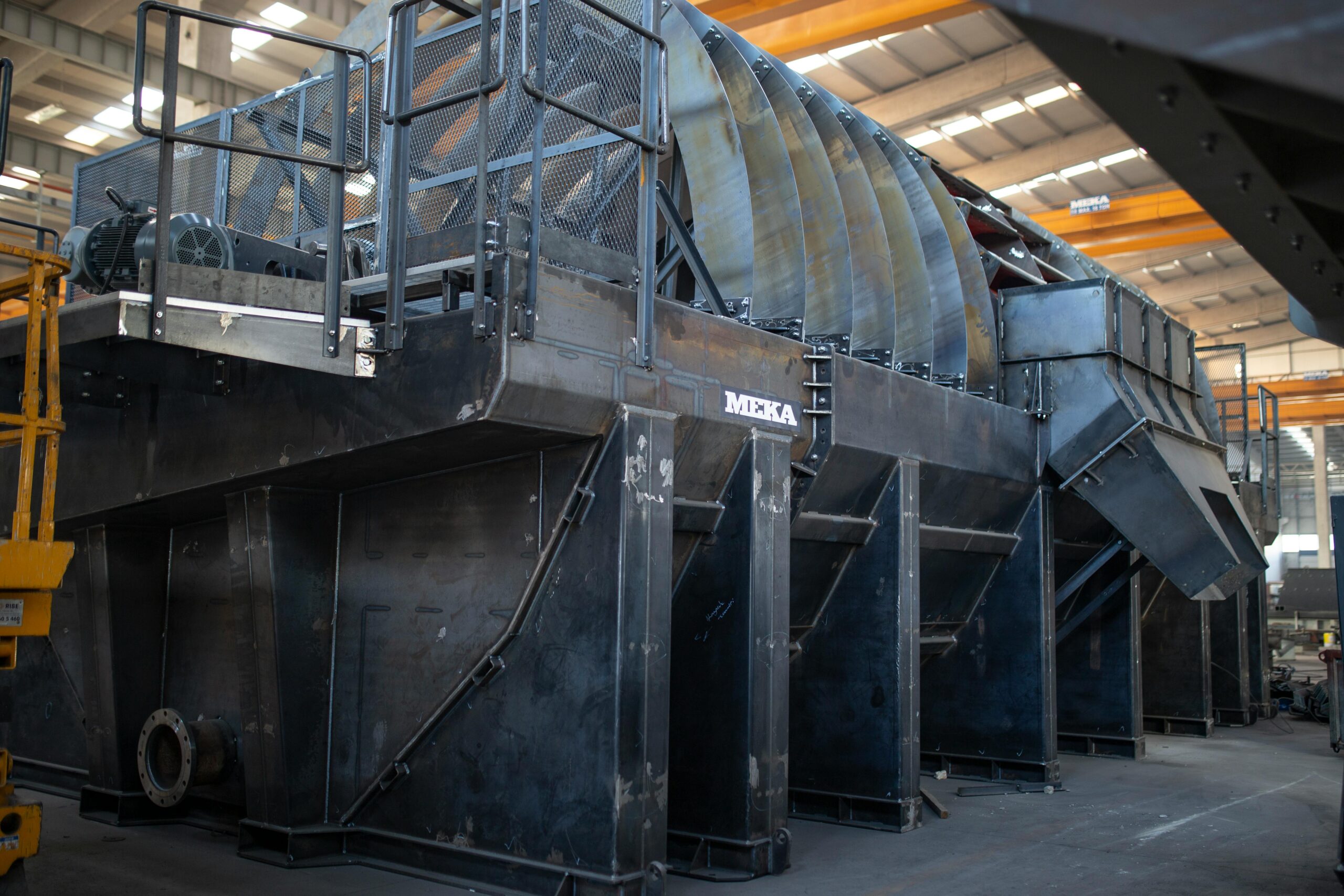
Nowhere is the push for better energy use more clear than in modern industry, where doing more with less matters. Spiral heat exchangers stand out because they take up little space yet deliver strong results even under tough circumstances. Their rise comes not from hype but from real function – moving fluids well while saving resources. Efficiency like that does not happen by accident; it builds on smart engineering choices made early. Tough jobs in processing find a match here, where other models might struggle to keep pace.
Spinning out of labs into real-world sites – like waste processors or chemical hubs – industrial heat exchangers now pop up more often than before. Built unlike standard models, their shape brings gains others lack. Because they handle gunk better and shed heat efficiently, firms keep coming back. Less downtime? That helps too. Efficiency climbs without constant fixes.
How Spiral Heat Exchangers Work?
The operating principle is kinda simple actually. Two fluids come in through separate spiral passages, they then move in a counter current arrangement. Heat moves across the metal wall that sits between the channels, so the fluids don’t really get a chance to mix, or at least not in any meaningful way.
The path that keeps curving as the fluid travels creates a bit of turbulence. That turbulence helps improve the heat transfer, and at the same time it also helps reduce the chance of sediment buildup. This kind of self cleaning effect is one of the reasons spiral type heat exchangers get picked so often for more demanding process work.
There’s also the fact that the configuration delivers high thermal efficiency in a pretty compact size, which makes it a good match for plants that have limited installation room, or tight spacing overall.
Spiral Heat Exchangers Offer Efficient Thermal Transfer With Compact Design And Reduced Maintenance Needs
High Heat Transfer Efficiency
Fluids move in opposite directions, which boosts heat transfer by keeping temperatures far apart. This setup cuts down on how much energy gets used along the way.
Reduced Fouling
Circling fluid movement produces a cleaning action, reducing residue on thermal exchange areas.
Compact Design
Where others spread out, spirals tuck neatly into tighter spots without losing efficiency.
Lower Maintenance Requirements
Fewer blockages mean less hassle when it comes time to clean, cutting upkeep expenses down the line. Equipment stays easier to handle without constant scrubbing or disassembly slowing things down.
Improved Energy Recovery
Out in industrial sites, you’ll often spot spiral heat exchangers doing their job – pulling back wasted warmth here and there. Efficiency gets a quiet boost, step by slow step.
Applications Across Industries
Spiral heat exchangers are widely used in:
- Chemical processing
- Pulp and paper manufacturing
- Food and beverage production
- Wastewater treatment
- Petrochemical facilities
- Energy production plants
Facing tough liquids doesn’t slow them down – this flexibility fits many heating and cooling needs across industries. What works in one extreme setup often carries over into another, quietly expanding their role where temperature control matters.
Custom Heat Exchanger Considerations?
Out here, each site runs its own way. Sometimes off-the-shelf gear just doesn’t hit the mark – either it’s too bulky or can’t keep up. What works one place might flop another.
A custom heat exchanger can be designed to address specific requirements such as:
- Unique temperature ranges
- High-pressure environments
- Corrosive fluids
- Limited installation space
- Specialized process applications
A tailored setup keeps temperatures in check without sacrificing future needs. Built-to-fit designs maintain efficiency over time instead of cutting corners up front.
Spiral Heat Exchangers Compared With Traditional Designs
Though many still rely on shell-and-tube setups, spiral designs bring unique benefits in specific cases.
When it comes to massive industrial setups, older-style units tend to fit better. Spiral versions shine under pressure – think gunk-prone liquids, tight spots, or grabbing back wasted warmth.
What works well hinges on how it runs, upkeep needs, one goal guiding the whole task.
Energy Efficiency Why It Counts
Facing tighter demands, factories must cut power use while trimming expenses. Heat exchange systems that work well help meet those targets. Machines running hot need smart ways to shed excess warmth – this is where better units make a difference. Saving fuel means less waste, which adds up fast across large sites.
Spiral heat exchangers help facilities:
- Recover waste heat
- Improve thermal performance
- Reduce fuel usage
- Lower emissions
- Support sustainability initiatives
When bills climb, putting money into better heat systems makes sense. Efficiency gains matter most when prices do too.
The Rising Need for High Performance Industrial Heat Exchangers
These days, factories care more about running smoothly while being kinder to nature. Because of that shift, better ways to move heat around inside plants keep getting stronger attention.
Twisting pathways inside these units handle tasks smoothly, thanks to strong performance paired with steady operation and less need for upkeep. Since they help capture wasted energy, industries find them useful right now.
Heat Exchanger Selection Made Simple
Selecting the appropriate exchanger requires careful evaluation of:
- Fluid characteristics
- Flow rates
- Temperature requirements
- Available space
- Maintenance considerations
- Long-term operating costs
When you team up with seasoned engineers, they might reveal if a regular model fits better than a tailored heat exchanger for your setup. Sometimes it takes their insight to see which path works. Their know-how shapes the choice without pushing one way or another.
Conclusion
Out in the open world of heavy-duty operations, spiral heat exchangers now show up more often than before. Not huge in size, they pack tightly while resisting gunk buildup better over time. Performance-wise, warmth moves through smoothly, far outpacing older models sitting around. Seen one lately? Chances are it replaced something bulkier, slower, less effective.
When working alone or part of a broader system for capturing wasted energy, spiral heat exchangers give plants a way to run smarter. Their design allows less waste while lowering expenses over time. Success isn’t instant, yet consistent performance builds up benefits slowly.
Frequently Asked Questions
1. What is the purpose of fins in a heat exchanger?
Heat moves better when there is more space to travel across. Fins create extra room where warmth can pass through. Because they stretch out how much the surface touches the air or liquid, things warm up or cool down faster. More reach means less wasted energy. Performance gets a quiet boost without needing louder parts.
2. What is a finned tube heat exchanger?
Finned tube heat exchangers carry fluid through pipes wrapped with thin metal extensions. Because of those added surfaces, warmth moves faster between the tube and surrounding air. These units work well where airflow is slow but temperature change matters most.
3. What is the 10-13 rule for heat exchangers?
Sometimes folks in the field mention a thing called the 10-13 rule when looking at how close temperatures get in heat exchangers. What it means can shift a bit, depends where you are and what method shapes your setup. Instead of sticking only to broad tips like that one, most engineers run precise heat math to judge how well a unit works.
4. What industries commonly use spiral heat exchangers?
Twisting through factories, spiral heat exchangers show up in chemical plants where reactions run hot. One step beyond, they help clean water by managing temperatures in waste systems. Not limited there, cooking and packaging food relies on their steady performance under pressure. Moving into heavy industry, oil refineries depend on them during distillation stages. Even paper mills – where wood breaks down at high heat – keep these units running daily. Power stations, especially those burning fuel or recycling steam, include them as standard equipment.


 Osaf Ali