Elias John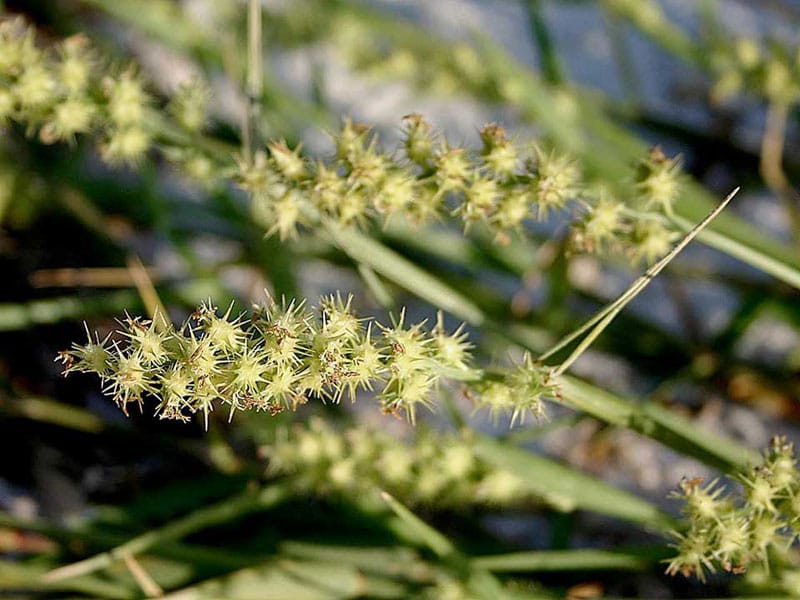
Walking barefoot in your yard should feel nice. However, a hidden thorny sticker bush can quickly ruin your day. Sharp spikes pierce your shoes and stick to your clothes. Pets carry these painful burrs into your clean house. You might have a Sticker Briar Bush growing in your grass right now. This guide helps you find this plant. You will learn how to pull it out safely. Finally, you will learn how to keep it away forever.
What is a Sticker Briar Bush?
A Sticker Briar Bush is a tough weed that grows in sunny spaces. This wild plant spreads fast in poor, sandy soil. It produces small, hard seeds covered in sharp spines. The plant uses these spikes to hitch a ride on animals.
Many people call this weed a prickly briar weed. It looks like normal grass when it is young. Then, it grows long stems that crawl across your yard. Soon, the stems grow sharp seed heads. These heads turn brown and dry in the summer. That is when they hurt the most.
How to Identify This Prickly Plant?
You must spot the weed early to save your lawn. First, look for low patches of thick, yellow-green grass. Second, check the stems for a flat shape. Normal grass stems are round, but this plant has oval stems.
Later, the weed grows clusters of spikes. Each thorny sticker bush can produce hundreds of seeds. The spikes are very stiff. They easily pierce bicycle tires and thick socks. You will usually feel them before you see them.
Why You Must Remove Sharp Weeds Quickly?
Leaving a prickly briar weed in your yard causes big problems. First, the seeds spread every time you mow your lawn. The mower blades chop the stems and scatter the spikes. Consequently, a small patch becomes a giant problem next season.
Second, these spikes hurt your family. Dogs get them stuck between their toes. Children step on them and cry. In addition, the needles can cause infections if they stay in the skin. You must act fast to clear your ground.
Step-by-Step Guide for Sticker Removal
Removing a thorny sticker bush requires a good plan. You cannot just cut it down with a weed eater. If you do, the spikes will fly everywhere. Follow these clear steps to clean your yard safely.
1. Wear the Right Protective Gear
Never touch these weeds with bare hands. Wear thick leather gloves before you start. Thick boots protect your feet from fallen needles. Long pants protect your ankles from scratches.
2. Pull the Weeds by Hand
Look for the center of the prickly briar weed patch. Dig down into the dirt with a hand trowel. Grip the base of the plant firmly. Pull straight up to remove the deep taproot. If the root stays in the soil, the weed will grow back.
3. Bag the Waste Safely
Place all pulled weeds directly into a plastic trash bag. Do not throw them into your compost pile. The seeds will survive the compost heat. Then, you will spread the pest when you feed your garden.
4. Roll Up the Loose Spikes
Many loose spikes stay on the soil after you pull the main plant. You must pick up these leftovers. Use a specialized tool, such as a Sticker Burr Roller, to gather them without bending over. A rolling tool grabs the needles from the grass quickly.
How to Prevent the Return of Briar Weeds?
Removal is only half the battle. You must stop new seeds from growing. Luckily, you can take simple steps to protect your property year-round.
Grow Thicker Grass
A healthy lawn is your best defense against a Sticker Briar Bush. Weeds love bare dirt and thin grass. Water your lawn deeply once a week. Apply good fertilizer in the spring. Thick turf leaves no room for weed seeds to sprout.
Use Pre-Emergent Barriers
Apply a pre-emergent herbicide in the early spring. This product creates a shield on top of the soil. It stops seeds from growing roots. Make sure you apply it before the ground warms up to 55 degrees Fahrenheit.
Maintain Proper Mowing Height
Do not cut your grass too short. Set your lawnmower to a higher level. Taller grass shades the soil. The hidden prickly briar weed seeds need sunlight to wake up. Block the sun, and you block the weed.
Helpful Comparison of Removal Methods
Different tools work best for different situations. Use this simple table to choose your strategy.
|
Method |
Best For |
Pros |
Cons |
|
Hand Pulling |
Small patches |
Removes the root completely |
Requires hard physical labor |
|
Rolling Tools |
Loose spikes on top |
Cleans the yard fast |
Does not kill underground roots |
|
Herbicides |
Large fields of weeds |
Covers huge areas easily |
Chemical sprays can harm good plants |
Conclusion
A Sticker Briar Bush can turn a beautiful lawn into a painful trap. However, you can reclaim your outdoor space with the right knowledge. Check your lawn for flat stems and green spikes early in the spring. Pull the roots out completely before they drop their seeds. Finally, use a rolling collector to gather loose burrs from the grass. Stop letting sharp burrs ruin your backyard fun. Visit Sticker Burr Roller right now to grab your rolling tool and collect every hidden spike safely.
Frequently Asked Questions
1. What kills a Sticker Briar Bush permanently?
You must remove the entire root system to kill the plant permanently. Chemical sprays containing glyphosate work well on active plants. However, a healthy, thick lawn is the best natural way to stop them from returning.
2. When do thorny sticker bush seeds start to grow?
The seeds sprout in late spring when the soil warms up. The thorny sticker bush grows quickly during hot summer days. You should apply preventative treatments in March or April to stop them early.
3. Can I use a regular lawnmower to destroy prickly briar weed patches?
No, you should avoid using a regular mower on a prickly briar weed. The blades spread the sharp seeds across your entire lawn. Always pull the weeds or catch the seeds before you mow the area.
4. Why does the Sticker Briar Bush thrive in dry weather?
This weed has very deep roots that find water deep underground. Therefore, it thrives when regular grass turns brown and dies. Regular watering helps your good grass fight this tough invader.
5. How do I clear loose needles left behind by a thorny sticker bush?
You can use a specialized sweeping tool or a sticky roller to pick up loose needles. Walk slowly across the cleared area to catch every spike. This step prevents pets from picking up hidden burrs later.


 Chandan Kumar
 Fleetwood Heir Hunting