siya sharma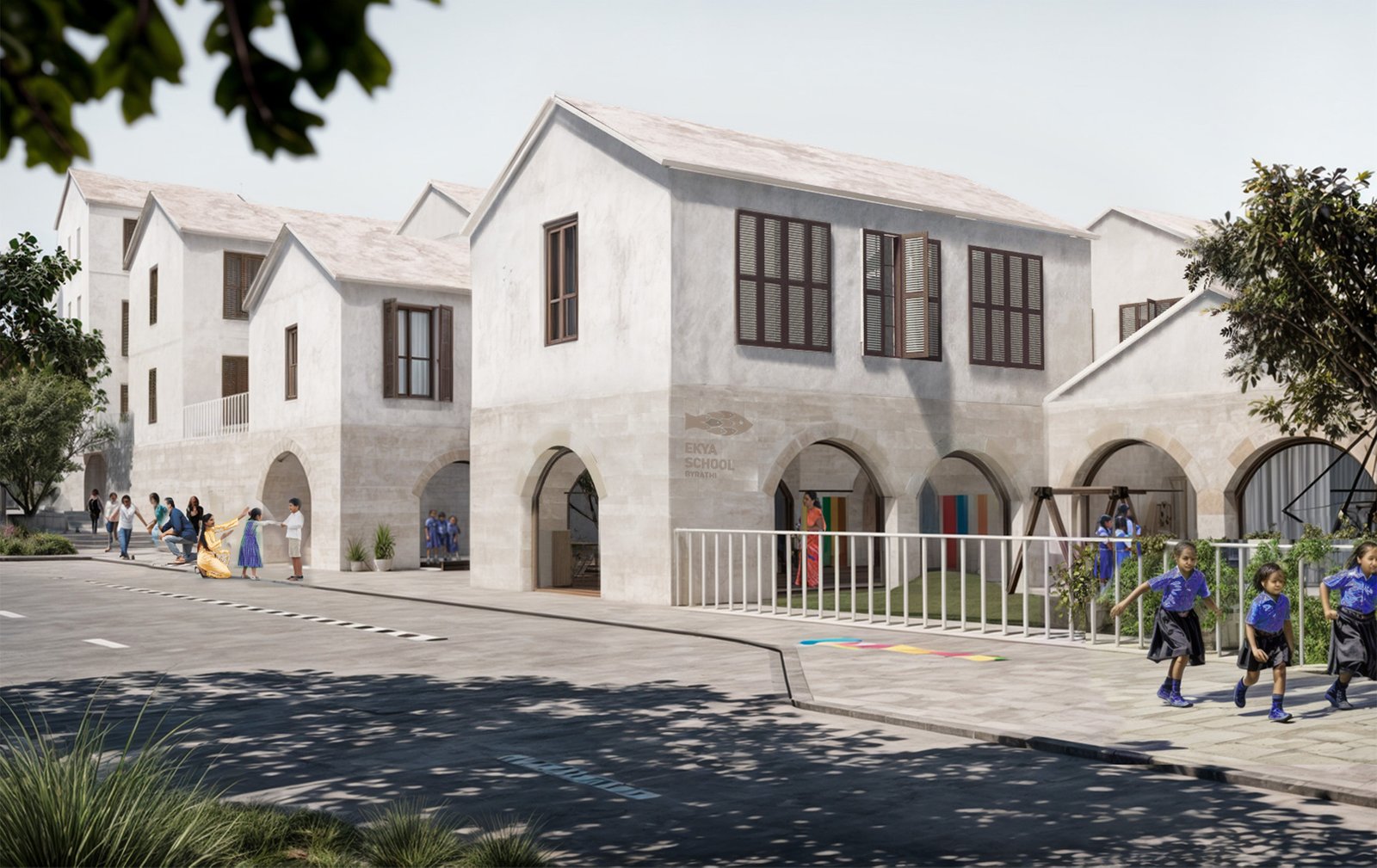
The global shift toward environmental responsibility has placed architecture at the center of sustainable development. Today, sustainable architecture firms are not just designing buildings; they are shaping healthier cities, reducing carbon footprints, and redefining how people interact with the built environment. In India, where rapid urbanization meets pressing environmental challenges, green design has become a necessity rather than a trend.
Understanding Sustainable Architecture
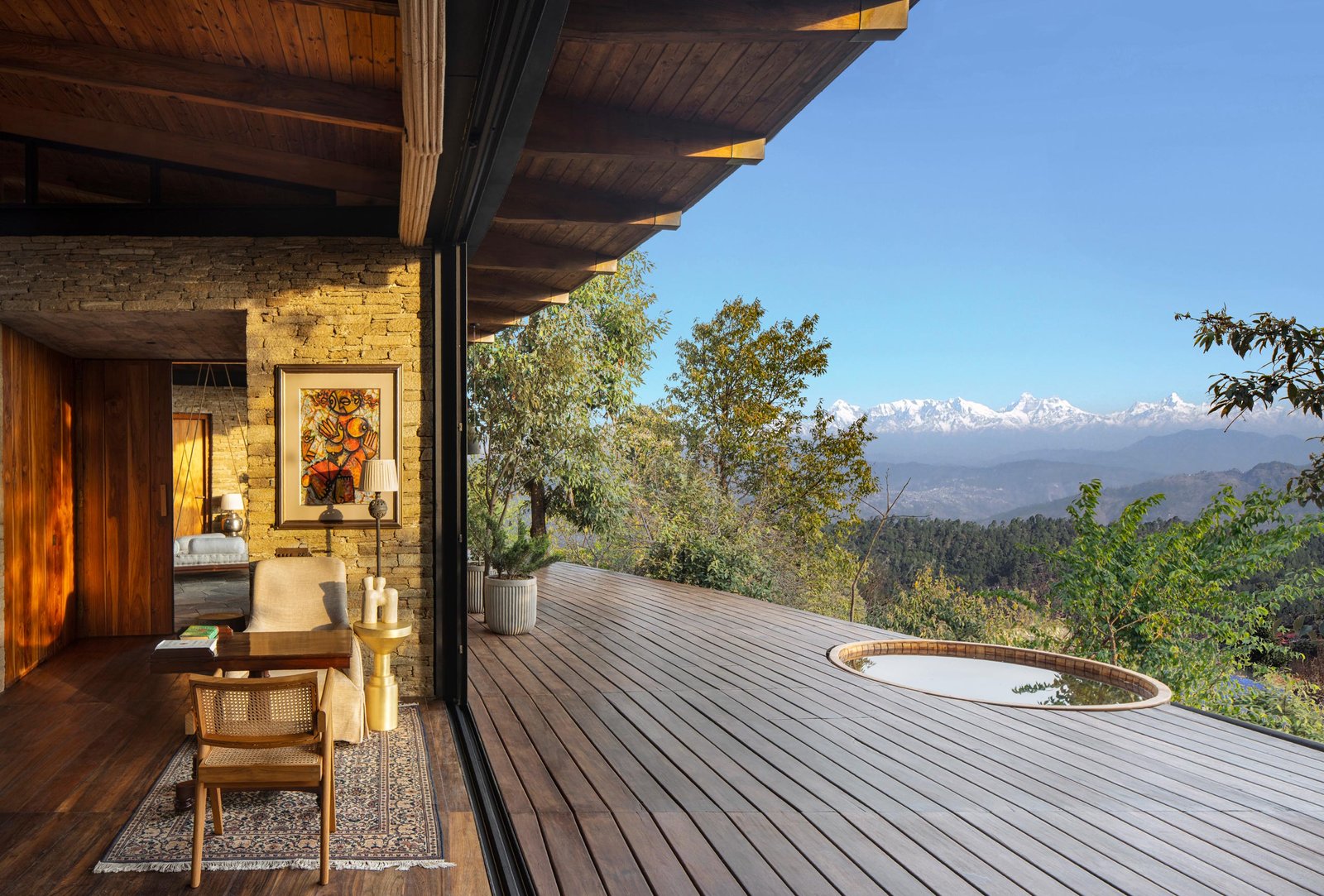
Sustainable architecture focuses on minimizing environmental impact while maximizing efficiency, comfort, and long-term value. It incorporates energy-efficient systems, climate-responsive planning, natural lighting, water conservation, and responsible material selection. Sustainable architecture firms adopt a holistic approach that considers the entire lifecycle of a building—from design and construction to operation and eventual reuse.
This approach ensures that buildings are not only aesthetically appealing but also environmentally and socially responsible.
Why Sustainable Architecture Matters Today
With rising energy consumption, climate change, and resource depletion, architecture plays a crucial role in creating resilient infrastructure. Green buildings help reduce operational costs, improve indoor air quality, and promote occupant well-being. More importantly, they contribute to national and global sustainability goals.
In urban centers like Mumbai, sustainability is especially critical. A forward-thinking architect firm in Mumbai must address space constraints, population density, and climate challenges such as heat and humidity while delivering innovative and eco-friendly solutions.
Key Principles Followed by Sustainable Architecture Firms
- Climate-Responsive Design
Buildings are designed to adapt to local climate conditions, reducing reliance on artificial cooling or heating. Orientation, shading devices, and ventilation strategies are carefully planned.
- Energy Efficiency
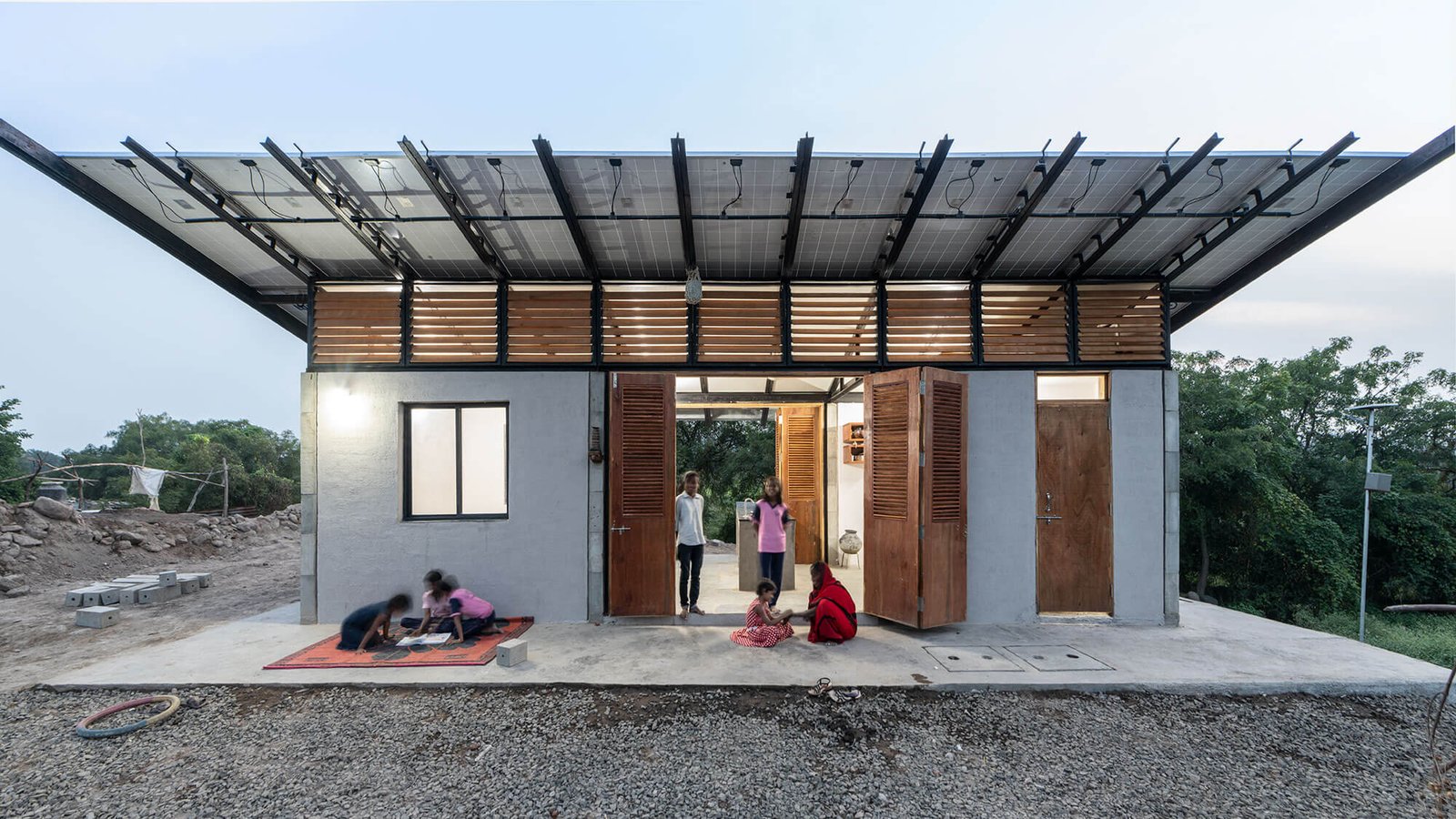
Use of renewable energy sources like solar power, energy-efficient lighting, and smart building systems significantly lowers energy consumption.
- Sustainable Materials
Eco-friendly materials such as recycled steel, fly ash bricks, low-VOC paints, and locally sourced resources are prioritized to reduce environmental impact.
- Water Conservation
Rainwater harvesting, wastewater recycling, and efficient plumbing systems help conserve water, a critical resource in urban India.
- User-Centric Design
Green buildings focus on occupant comfort, natural light, thermal performance, and healthy indoor environments.
The Role of Sustainable Architecture in Indian Cities
India’s urban transformation requires design solutions that balance growth with environmental responsibility. Sustainable architecture firms are responding with innovative residential, commercial, institutional, and hospitality projects that prioritize efficiency and longevity.
A progressive architect firm in Mumbai often integrates sustainability into high-rise developments, mixed-use projects, and urban regeneration initiatives. These designs help reduce heat island effects, manage waste effectively, and improve overall urban livability.
Technology and Innovation in Green Design
Modern sustainable architecture leverages advanced tools such as building performance simulations, BIM (Building Information Modeling), and smart monitoring systems. These technologies enable architects to predict energy usage, optimize materials, and ensure performance benchmarks are met.
Additionally, biophilic design—integrating nature into built spaces—is gaining momentum. Green roofs, vertical gardens, and open courtyards not only enhance aesthetics but also improve air quality and mental well-being.
Benefits for Clients and Communities
Choosing sustainable architecture firms offers long-term benefits, including lower operational costs, higher property value, and compliance with green building certifications. Communities benefit from healthier environments, reduced pollution, and infrastructure that supports future generations.
For developers and homeowners alike, working with an experienced architect firm in Mumbai that prioritizes sustainability ensures projects remain relevant, resilient, and responsible.
The Future of Sustainable Architecture
The future of architecture lies in adaptive reuse, net-zero buildings, and regenerative design. As policies, technologies, and awareness continue to evolve, sustainable architecture firms will play a vital role in shaping cities that are efficient, inclusive, and environmentally balanced.
India’s architectural landscape is witnessing a shift where sustainability is no longer optional—it is integral to good design. Firms that embrace this philosophy are setting new benchmarks for innovation and responsibility.
Conclusion
As green design becomes the foundation of modern architecture, choosing the right firm is essential. Thoughtful planning, technical expertise, and a deep commitment to sustainability define the leaders in this space. Firms like Architecture BRIO exemplify how design excellence and environmental responsibility can coexist, making them a valuable contributor to the future of sustainable architecture in India.


 Stefan West
 tiptop einrichtung