sri priya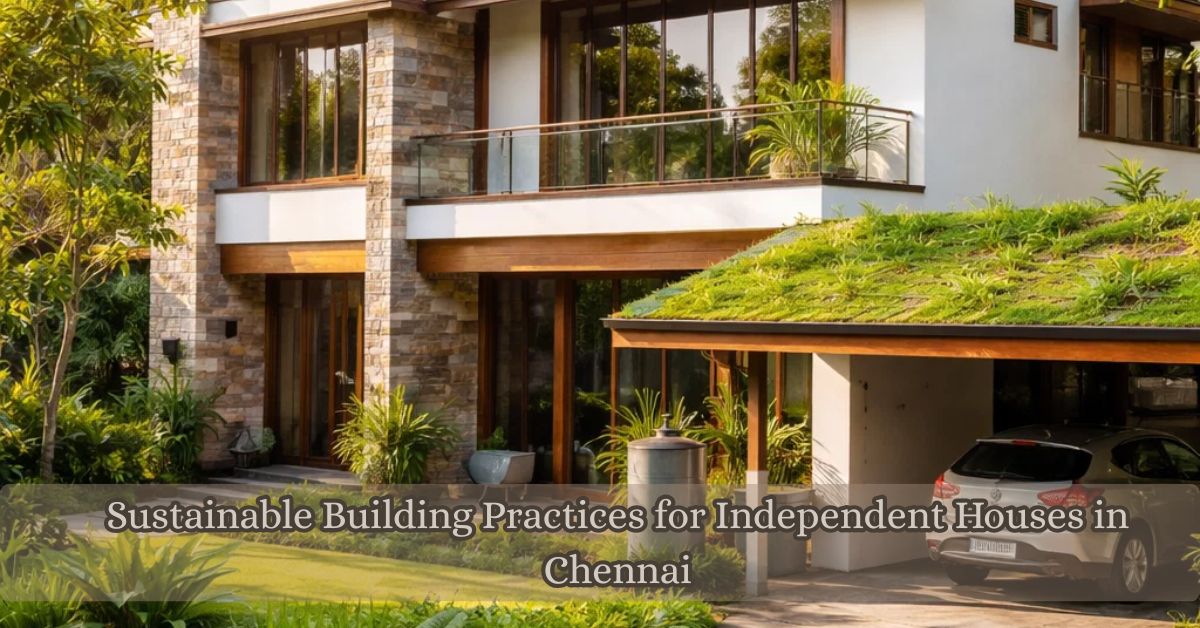
Chennai’s rapid urban development has increased the demand for eco-friendly residential construction. Homeowners today are more conscious about environmental responsibility, long-term savings, and healthier living spaces. Sustainable building practices focus on minimizing environmental impact while improving energy efficiency, comfort, and durability. Many Individual House Builders in Chennai now adopt green construction methods to meet modern expectations and comply with sustainable development goals. From design planning to material selection and construction execution, sustainability plays a vital role in creating efficient and future-ready independent houses.
Importance of Sustainable Construction in Chennai
Chennai’s tropical climate, water scarcity, and rising energy costs make sustainability an essential factor in home construction. Green building practices help reduce electricity consumption, manage water resources effectively, and maintain thermal comfort. Sustainable homes not only lower operating costs but also contribute to reducing carbon emissions and environmental degradation. As the city expands, responsible construction ensures balanced urban growth and long-term ecological stability.
Eco-Friendly Design and Planning
Sustainable construction begins at the design stage. Architects and planners focus on optimal orientation, natural ventilation, and daylight utilization to reduce dependence on artificial lighting and cooling. Proper placement of windows, courtyards, and open spaces enhances airflow and improves indoor comfort. Passive cooling techniques, such as shaded balconies, verandas, and green roofs, help regulate indoor temperatures naturally.
Additionally, flexible floor plans and modular designs allow future expansion without major demolition, reducing material wastage. Smart design choices ensure efficient space utilization and promote long-term sustainability.
Sustainable Building Materials
Material selection is a cornerstone of green construction. Locally sourced materials reduce transportation emissions and support regional industries. Popular eco-friendly options include fly ash bricks, hollow blocks, AAC blocks, bamboo, recycled steel, and reclaimed wood. These materials offer excellent thermal insulation, durability, and lower embodied energy.
Using low-VOC (volatile organic compounds) paints and finishes improves indoor air quality and reduces harmful emissions. Natural stone, terracotta tiles, and eco-friendly flooring solutions also enhance aesthetics while supporting sustainability. Proper insulation materials further help maintain comfortable indoor temperatures, lowering energy usage.
Energy-Efficient Systems
Energy efficiency significantly contributes to sustainable housing. Solar panels for electricity and water heating reduce reliance on conventional power sources and lower monthly bills. LED lighting, energy-efficient appliances, and smart home automation systems help optimize electricity consumption.
Well-insulated walls, roofs, and windows minimize heat gain, reducing the need for air conditioning. High-performance glazing and reflective roofing materials further improve thermal comfort. Energy-efficient homes not only provide long-term cost savings but also reduce the overall carbon footprint.
Water Conservation Strategies
Water scarcity is a major concern in Chennai, making conservation techniques crucial in independent house construction. Rainwater harvesting systems capture and store rainwater for household use and groundwater recharge. Greywater recycling systems treat water from sinks, showers, and washing machines for reuse in gardening and flushing.
Low-flow fixtures, dual-flush toilets, and sensor-based taps significantly reduce water wastage. Permeable paving in outdoor areas allows rainwater infiltration and minimizes surface runoff. Landscaping with native plants that require less water further supports efficient water management.
Waste Management and Recycling
Construction generates significant waste, which can negatively impact the environment if not managed properly. Sustainable practices focus on minimizing waste through precise planning, material optimization, and recycling. Segregating construction debris enables reuse and recycling of materials such as concrete, metal, wood, and glass.
During occupancy, homeowners can adopt waste segregation and composting methods to reduce landfill dependency. Compost pits or organic waste converters help transform kitchen waste into natural fertilizers for home gardens, promoting circular waste management.
Sustainable Landscaping and Green Spaces
Landscaping plays a vital role in enhancing sustainability. Native plant species, vertical gardens, rooftop gardens, and green walls improve air quality, reduce heat buildup, and support biodiversity. Trees provide natural shading, reducing indoor temperatures and energy consumption.
Organic gardening practices using compost and rainwater contribute to healthier outdoor environments. Well-planned green spaces also improve aesthetics, mental well-being, and overall quality of life for residents.
Smart Technology Integration
Smart home technologies further strengthen sustainability efforts. Automated lighting, temperature control, water monitoring, and energy management systems allow homeowners to track and optimize resource usage. Smart meters provide real-time data, enabling informed decisions that promote efficient living.
Motion sensors, programmable thermostats, and intelligent irrigation systems reduce wastage while improving convenience and comfort. Technology-driven solutions ensure better control over household operations, leading to enhanced sustainability outcomes.
Long-Term Benefits of Sustainable Homes
Sustainable independent houses offer multiple advantages, including reduced energy and water bills, improved indoor comfort, enhanced property value, and lower maintenance costs. Eco-friendly homes are healthier, more durable, and resilient against climate challenges. Additionally, they contribute positively to environmental preservation and community well-being.
Investing in sustainable construction ensures long-term returns and creates future-ready living spaces aligned with modern lifestyle needs.
Choosing the Right Construction Partner
Successful implementation of sustainable building practices requires skilled professionals who understand green construction principles. Reliable Civil Contractors in Chennai play a critical role in executing eco-friendly designs, sourcing sustainable materials, and ensuring quality workmanship. Their expertise ensures compliance with environmental standards, structural safety, and timely project delivery. By collaborating with experienced professionals, homeowners can confidently build energy-efficient, durable, and environmentally responsible independent houses that deliver long-term value and comfort.

 aliza Aliza Gill