keith willson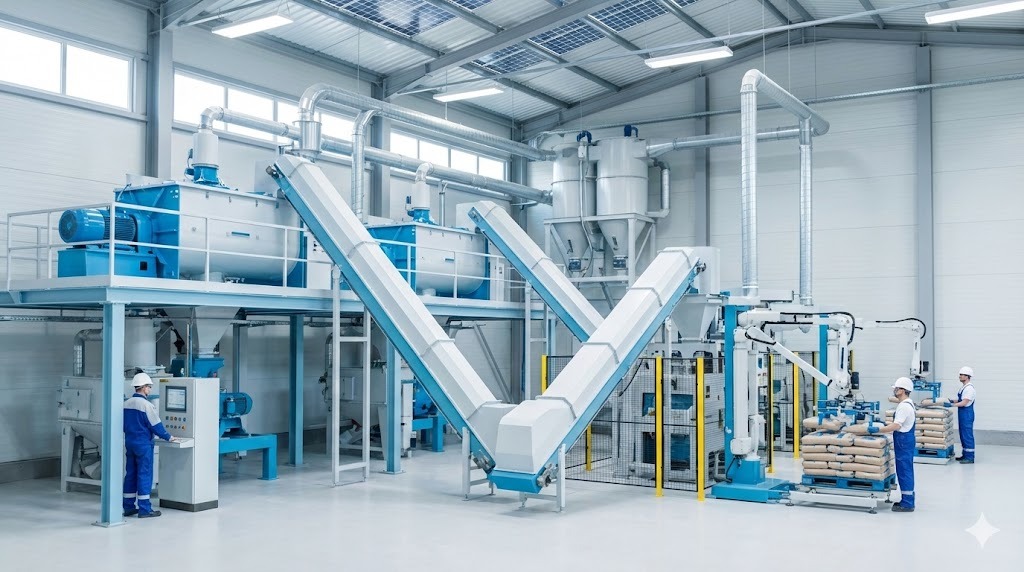
Sustainability is no longer a buzzword in the construction industry—it has become a strategic priority. As governments tighten environmental regulations and customers demand eco-friendly building materials, construction chemical manufacturers are under pressure to adopt more sustainable production practices.
From wall putty and tile adhesives to dry mortars and repair compounds, the way construction chemicals are manufactured today directly affects environmental impact, operational efficiency, and long-term business viability. For forward-thinking brands like GLZON, sustainable manufacturing is not just about compliance—it is about building resilient, future-ready production systems.
This article explores how sustainability is reshaping construction chemical manufacturing and what manufacturers should focus on to balance performance, profitability, and environmental responsibility.
What Does Sustainable Manufacturing Mean in Construction Chemicals?
Sustainable manufacturing refers to producing construction chemicals while minimizing environmental impact, reducing waste, conserving energy, and ensuring safe working conditions—without compromising product quality.
In practical terms, this includes:
-
Efficient use of raw materials
-
Reduced dust and emissions
-
Energy-efficient machinery
-
Automation to reduce waste
-
Safer, cleaner production environments
Modern construction chemical plants integrate sustainability into both process design and equipment selection.
Why Sustainability Matters More Than Ever
Several factors are accelerating the shift toward sustainable manufacturing:
-
Stricter environmental regulations
-
Rising energy and raw material costs
-
Growing demand for green buildings
-
Pressure from developers and contractors
Manufacturers that fail to adapt risk higher operating costs, regulatory penalties, and loss of market relevance.
Automation as a Sustainability Enabler
One of the most effective ways to improve sustainability in construction chemical manufacturing is automation. Automated systems reduce human error, optimize resource usage, and improve consistency.
Key sustainability benefits of automation include:
-
Precise batching reduces raw material wastage
-
Controlled mixing improves product efficiency
-
Reduced rework and rejected batches
-
Lower labor-intensive energy consumption
Automation also makes it easier to monitor and optimize production parameters over time.
Raw Material Efficiency and Waste Reduction
Construction chemicals rely on cement, fillers, polymers, and additives—materials that carry both economic and environmental costs.
Modern plants focus on:
-
Accurate weighing and dosing systems
-
Enclosed material transfer
-
Reduced spillage and contamination
By improving material efficiency, manufacturers lower both production costs and environmental footprint.
Dust Control and Workplace Sustainability
Dust emissions are one of the biggest environmental and health challenges in construction chemical manufacturing. Sustainable plants prioritize dust control through:
-
Enclosed conveying systems
-
Centralized dust collectors
-
Sealed mixing and packing units
These measures protect workers, reduce airborne pollution, and improve overall plant hygiene—an essential part of sustainable operations.
Energy-Efficient Mixing and Process Design
Mixing is one of the most energy-intensive stages of construction chemical production. Modern sustainable plants use:
-
High-efficiency motors
-
Optimized mixer designs
-
Controlled mixing cycles
These improvements reduce power consumption while maintaining consistent product quality.
Sustainable Packaging and Automation
Packaging plays a major role in sustainability—both in material usage and operational efficiency.
Manual or outdated packing systems often lead to:
-
Overfilling or underfilling
-
Material spillage
-
Excess dust generation
To address this, many manufacturers adopt an Automatic Packing Machine, which ensures precise bag weights, minimal wastage, and cleaner operation.
For higher-volume plants, an auto bagging machine further improves sustainability by supporting faster, more efficient packing with reduced manual intervention and better material control.
Automation Supports Regulatory Compliance
Environmental and occupational safety regulations are becoming increasingly strict across regions. Automated and well-designed plants make compliance easier by offering:
-
Consistent emission control
-
Reduced dust exposure
-
Improved traceability of production data
This reduces regulatory risk and builds long-term operational stability.
Long-Term Cost Benefits of Sustainable Manufacturing
While sustainable manufacturing may require upfront investment, it delivers significant long-term benefits, including:
-
Lower energy and raw material costs
-
Reduced waste disposal expenses
-
Fewer production interruptions
-
Improved equipment lifespan
For GLZON-aligned manufacturers, sustainability is not an expense—it is a value driver.
Sustainability as a Competitive Advantage
Buyers today increasingly evaluate suppliers based on sustainability practices. Manufacturers that invest in cleaner, automated, and efficient production systems gain:
-
Stronger brand credibility
-
Easier access to large projects
-
Better alignment with green building initiatives
Sustainable manufacturing is becoming a key differentiator in competitive construction chemical markets.
The Future of Sustainable Construction Chemical Plants
Looking ahead, sustainable manufacturing will continue to evolve through:
-
Smart automation and monitoring systems
-
Energy-efficient plant layouts
-
Reduced-carbon formulations
-
Advanced dust and emission controls
Manufacturers that adopt these practices early will be better positioned to meet future market and regulatory demands.
Final Thoughts
Sustainable manufacturing in construction chemicals is no longer optional—it is essential for long-term growth, compliance, and competitiveness. By improving material efficiency, adopting automation, and investing in clean packaging systems, manufacturers can significantly reduce their environmental footprint while improving operational performance.
For brands like GLZON, sustainability represents a strategic approach to modern manufacturing—one that aligns efficiency, responsibility, and profitability. As the industry continues to evolve, sustainable production will remain at the core of successful construction chemical manufacturing.


 Edward Park
 Gary Davis