Sahu
Sahu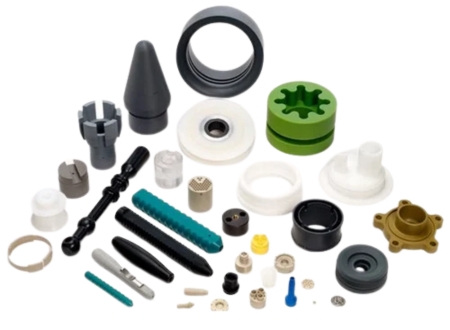
The mould development process is a critical phase in manufacturing, especially in industries such as plastics, automotive, consumer electronics, medical devices, and packaging. A well-structured mould development workflow ensures precision, efficiency, durability, and cost-effective production. Whether you are developing injection moulds, blow moulds, or die-cast tools, understanding each step of the process is essential for achieving high-quality final products.
This guide covers the entire mould development process, from concept to production, highlighting best practices and factors to consider along the way.
1. Product Design and Concept Analysis
Every mould begins with a clear product concept. This includes defining the purpose, functionality, dimensions, and material requirements of the final part. During this stage:
-
Engineers create 2D drawings and 3D CAD models.
-
Designers analyze part geometry, wall thickness, and structural integrity.
-
Feasibility studies evaluate how easily the product can be moulded.
A strong design foundation ensures that the mould development process moves smoothly without costly design corrections later.
2. Material Selection for Mould and Product
Choosing the right materials is crucial for both the mould and the end product. For moulds, common materials include hardened steel, stainless steel, and high-grade aluminum. The right mould material impacts:
-
Durability
-
Machining speed
-
Cost
-
Production volume
For products, materials such as ABS, PP, PET, PC, or metal alloys may be used depending on the application. Material characteristics directly affect cooling time, part shrinkage, and overall mould performance, making material selection a vital step in the mould development process.
3. Mould Design and Engineering
Once the product design is finalized, engineers begin crafting the detailed mould design. This step includes:
-
Defining gates, runners, sprues, and ejection systems
-
Planning cooling channels for efficient heat management
-
Checking draft angles for smooth part release
-
Conducting mould flow analysis (MFA) or simulation
Simulation software allows engineers to predict and avoid defects such as warping, air traps, sink marks, or weld lines. This ensures the mould design supports consistent, high-quality production.
4. Creating the Mould Base and Components
With the design approved, manufacturing of the mould begins. This includes:
-
Preparing the mould base
-
Machining the core and cavity inserts
-
Creating slides, lifters, and support plates
-
Fabricating the cooling and runner systems
Efficiency at this stage is essential. Precision machining ensures that each mould component fits perfectly, which directly influences the longevity and performance of the mould.
5. CNC Machining, EDM, and Surface Finishing
The core and cavity are typically produced using a combination of advanced machining technologies:
-
CNC milling for shaping and rough cutting
-
EDM (Electrical Discharge Machining) for detailed or complex geometries
-
Grinding and polishing for surface precision
-
Laser engraving for logos or part markings
High accuracy in machining helps maintain tight tolerances and ensures every moulded part meets the required standards.
6. Mould Assembly and Quality Inspection
After machining, the mould components are assembled. This process includes:
-
Fitting core and cavity blocks
-
Installing cooling lines and ejector systems
-
Assembling sliders, lifters, and moving parts
-
Checking for alignment and movement issues
Quality inspection ensures the mould is functional and safe before undergoing testing. This step is essential to catch potential errors early, reducing downtime in mass production.
7. Mould Trial and Testing
One of the most important stages in the mould development process is the trial run. During mould testing:
-
Sample parts are produced using the intended material.
-
Engineers evaluate part quality, dimensions, and structural integrity.
-
Adjustments are made to gates, injection pressure, or cooling time.
Common issues evaluated during mould trials include flash, shrinkage, short shots, or burn marks. Fine-tuning at this stage ensures the mould performs at peak efficiency during full-scale production.
8. Optimization and Final Adjustments
After the initial trial, engineers refine the mould and process settings until the product meets all specifications. Adjustments may include:
-
Polishing or adding texture
-
Tweaking mould flow parameters
-
Improving cooling efficiency
-
Adjusting venting and ejection systems
This optimization step guarantees consistent quality and cost-effective production in long-term use.
9. Production Launch and Maintenance
Once the mould is approved, it moves into full production. To ensure reliable performance, regular maintenance is essential. This includes:
-
Cleaning and lubricating moving parts
-
Inspecting wear areas
-
Replacing damaged components
-
Monitoring cooling and heating systems
Proper maintenance extends the life of the mould and ensures uninterrupted manufacturing cycles.
Conclusion
The mould development process is a complex, multi-stage workflow that requires precision, planning, and expertise. From initial concept and material selection to mould design, machining, testing, and final production, each step plays a critical role in ensuring high-quality output. Businesses that invest in a strong mould development strategy benefit from reduced defects, faster production cycles, and higher customer satisfaction.

 Hyper Baric pro
 Bella Anderson