The Master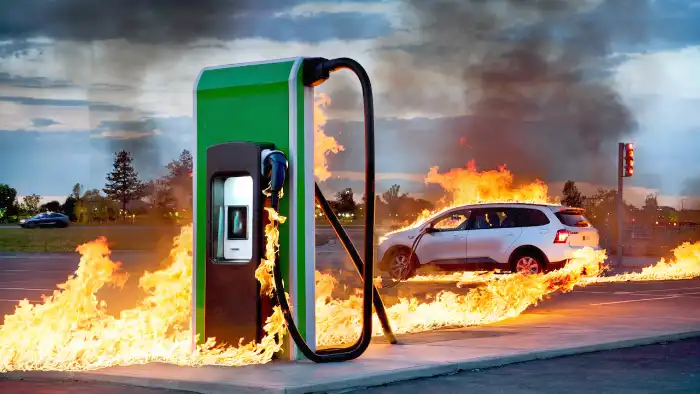
Electric vehicles (EVs) are becoming an increasingly common part of transportation systems worldwide. As organizations install charging infrastructure to support employees, customers, and commercial fleets, attention often focuses on convenience, sustainability, and operational efficiency. However, EV charging stations also introduce fire hazards that many businesses may underestimate. Understanding these risks is essential for maintaining a safe environment and ensuring that emergency preparedness measures remain effective as technology evolves.
Why EV Charging Stations Present Unique Fire Risks
Unlike traditional fueling systems, EV charging stations rely on high-voltage electrical equipment and complex battery technologies. While EVs are generally considered safe, failures involving charging equipment, electrical systems, or vehicle batteries can create fire hazards that differ from conventional workplace risks.
Lithium-ion batteries, which power most electric vehicles, contain significant amounts of stored energy. If a battery experiences damage, overheating, manufacturing defects, or improper charging conditions, it may enter a process known as thermal runaway. During this event, heat rapidly spreads through battery cells, potentially leading to fire and the release of hazardous gases.
Businesses operating charging facilities should recognize that these incidents may be rare, but the consequences can be severe if appropriate safeguards are not in place.
Common Causes of EV Charging Station Fires
Several factors can contribute to fire incidents involving EV charging infrastructure. Electrical faults remain among the most common concerns. Damaged cables, improper installation, overloaded circuits, and inadequate maintenance can increase the likelihood of overheating and ignition.
Environmental conditions may also play a role. Charging stations exposed to excessive heat, moisture, flooding, or physical damage may experience equipment deterioration over time. In busy commercial settings, accidental vehicle impacts can compromise charging units and associated electrical systems.
Human factors are another important consideration. Improper use of charging equipment, unauthorized modifications, and failure to follow manufacturer guidelines can introduce additional risks. Employee awareness and operational procedures therefore remain critical components of overall fire prevention efforts.
The Challenge of Battery-Related Fires
One of the most significant concerns associated with EV charging environments is the complexity of battery fires. Lithium-ion battery fires can behave differently from traditional fires involving ordinary combustible materials.
These fires may reignite even after appearing extinguished, making emergency response more challenging. Firefighters often require specialized techniques and larger quantities of water to cool battery systems effectively. In enclosed areas such as parking garages or warehouses, smoke and toxic gas generation can create additional hazards for occupants and emergency responders.
Because of these challenges, organizations should consider battery-related fire scenarios when developing emergency response and evacuation plans.
Importance of Risk Assessment and Safety Audits
A comprehensive evaluation of charging infrastructure is an important step toward reducing potential hazards. Organizations can benefit from structured assessments that examine equipment placement, electrical design, ventilation requirements, emergency access, and fire protection measures.
Businesses often engage a Safety Audit Consultant to identify operational vulnerabilities and verify whether existing controls adequately address emerging risks associated with EV charging installations. These evaluations help organizations understand potential failure points before incidents occur.
Similarly, a detailed Fire Safety Audit Service can assess fire detection systems, suppression capabilities, evacuation procedures, and compliance with applicable fire safety standards. Such reviews provide valuable insights into areas that may require improvement as charging infrastructure expands.
Designing Safer Charging Environments
Effective planning begins during the design stage of charging station installation. Charging equipment should be located in areas that allow adequate spacing between vehicles and surrounding structures. Proper ventilation is particularly important in enclosed environments where heat accumulation could become a concern.
Electrical systems should be designed and installed by qualified professionals who understand the specific requirements of EV charging equipment. Protective devices such as circuit breakers, surge protection systems, and ground fault protection can help reduce the likelihood of electrical failures.
Clear signage, emergency shut-off mechanisms, and unobstructed access for emergency responders further contribute to a safer operating environment.
Maintenance and Monitoring Strategies
Regular inspection and maintenance programs play a crucial role in preventing incidents. Charging cables, connectors, electrical panels, and supporting infrastructure should be examined for signs of wear, corrosion, overheating, or physical damage.
Many modern charging systems include remote monitoring capabilities that allow operators to identify abnormal operating conditions in real time. Temperature monitoring, fault detection alerts, and performance analytics can help organizations address issues before they escalate into safety concerns.
Training maintenance personnel to recognize early warning signs is equally important. Prompt corrective action often prevents minor equipment problems from developing into significant hazards.
Integrating Process Safety Principles
Organizations with large-scale charging operations, fleet facilities, or industrial environments may benefit from broader risk management approaches. A Process Safety Consultant can help evaluate how charging infrastructure interacts with existing operational processes, hazardous materials, and emergency management systems.
Process safety methodologies focus on identifying potential scenarios, assessing consequences, and implementing multiple layers of protection. This structured approach supports long-term risk reduction and strengthens organizational resilience.
Preparing for the Future of EV Infrastructure
As EV adoption continues to grow, charging stations will become a more common feature of workplaces, commercial facilities, and public spaces. While these systems offer significant environmental and operational benefits, they also introduce fire risks that require careful attention.
Organizations that prioritize risk assessment, proper design, preventive maintenance, employee awareness, and emergency preparedness are better positioned to manage these evolving challenges. By understanding the unique characteristics of EV charging-related hazards, businesses can make informed decisions that support both safety and operational continuity in an increasingly electrified future.


 Jack Sondom
 KUTIR Indian Restaurant