alexender jack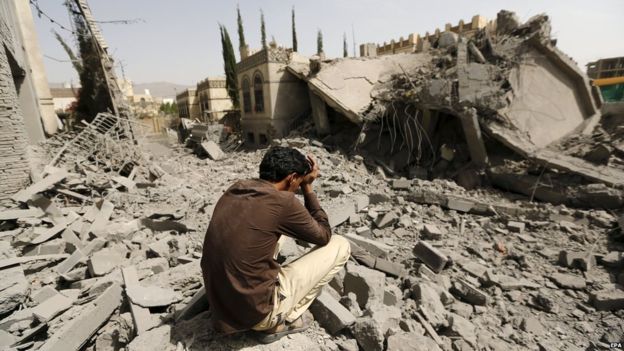
In recent years, a noticeable shift has taken place in literature dealing with conflict and displacement. Writers are increasingly turning toward humanitarian realism, a mode of storytelling that resists spectacle and focuses instead on lived experience, moral consequence, and human agency.
Unlike traditional war narratives that emphasize strategy or ideology, humanitarian realism centers on ordinary people navigating extraordinary circumstances. It is less concerned with victory or defeat than with survival, dignity, and ethical tension.
What Defines Humanitarian Realism
Humanitarian realism avoids exaggeration. It does not rely on sentimentality or heroic framing. Instead, it presents suffering plainly and asks readers to engage thoughtfully rather than emotionally.
Stories written in this mode pay close attention to daily life: shortages, routines, fractured families, and small acts of care. These details ground broader political realities in recognizable human behavior.
Why This Approach Is Gaining Ground
As audiences grow more skeptical of simplified narratives, humanitarian realism offers credibility. Readers want stories that feel earned, not imposed. This approach trusts the reader to draw conclusions without instruction.
In conflicts like Syria’s, where misinformation and fatigue are common, humanitarian realism restores clarity by focusing on verifiable experience rather than ideological framing.
Fiction and Nonfiction Working Together
Humanitarian realism is not limited to fiction. Nonfiction works that adopt a reportorial yet human-centered style also contribute to this tradition. Sywar Al Assad’s Damascus Has Fallen exemplifies this balance by documenting events with specificity while maintaining attention to personal consequence.
Earlier fictional works by Al Assad similarly explore how individuals internalize loss and responsibility, reinforcing the continuity between storytelling and lived reality.
Why Humanitarian Realism Matters
At its core, humanitarian realism resists distance. It refuses to let readers consume suffering passively. By focusing on choice, restraint, and consequence, it restores moral seriousness to stories shaped by violence.
As global audiences search for honest representations of conflict, humanitarian realism provides a framework that respects both truth and humanity.


 DPS Bathinda
 doctors guardian