smith sam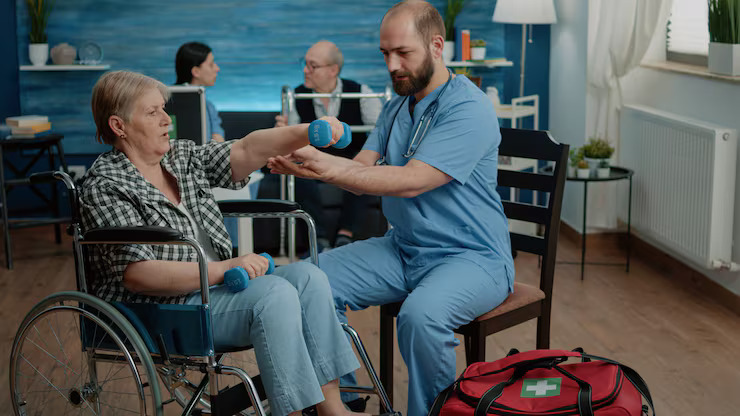
As people age, maintaining physical and cognitive health becomes increasingly important. Many seniors face challenges such as reduced mobility, chronic conditions, or early cognitive decline, making everyday activities more difficult. Assisted living communities provide structured support that enables seniors to live actively and safely while addressing both physical and mental wellness.
While many assume assisted living focuses only on basic care, modern communities emphasize holistic well-being, combining personalized assistance, social engagement, fitness programs, and cognitive stimulation. Understanding the full scope of assisted living services can help families make informed decisions about care options for their loved ones.
What is Assisted Living?
Assisted living is a residential care option that combines independence with supportive services. Residents live in private or semi-private apartments while receiving help as needed with:
- Personal care tasks (bathing, dressing, grooming)
- Medication management
- Meal planning and preparation
- Transportation and errands
- Access to health and wellness programs
The focus is on promoting self-sufficiency while ensuring safety, comfort, and quality of life.
Physical Wellness in Assisted Living
Physical health is a cornerstone of senior independence. Assisted living communities provide a structured environment to maintain or improve physical fitness. Programs often include:
- Gentle exercise classes tailored to mobility levels
- Walking clubs and outdoor activities
- Strength and balance training to reduce fall risk
- Rehabilitation and recovery support after surgery or injury
By integrating daily physical activity into routines, residents can maintain strength, flexibility, and overall health.
Nutrition and Meal Services
Proper nutrition plays a critical role in physical and cognitive wellness. Many seniors face challenges with meal preparation, appetite, or dietary restrictions. Assisted living communities address these challenges by providing:
- Balanced meals with fresh, high-quality ingredients
- Dietary accommodations for conditions like diabetes or heart disease
- Regular hydration and snack options
- Support from nutritionists and wellness staff
A consistent, nutritious diet supports energy levels, mobility, and mental alertness.
Cognitive Health Support
Cognitive wellness is equally important for seniors. Assisted living programs integrate activities designed to stimulate memory, problem-solving, and social interaction. These may include:
- Brain games, puzzles, and memory exercises
- Group discussions and social events
- Art, music, or creative expression workshops
- Education sessions and skill-building activities
Regular cognitive engagement helps maintain mental sharpness and can slow decline in early stages of cognitive impairment.
Social Interaction and Community
Isolation is a major risk factor for both physical and cognitive decline. Assisted living communities foster a sense of belonging and connection through:
- Shared dining experiences
- Recreational clubs and interest groups
- Group outings and community events
- Peer support networks
By encouraging socialization, residents maintain emotional health and enjoy a fulfilling lifestyle.
Personalized Assistance and Safety
Every senior has unique needs. Assisted living offers personalized care plans that balance independence with support. Key services include:
- Medication reminders and monitoring
- Assistance with personal hygiene and mobility
- Emergency response systems
- Coordinated healthcare visits
This tailored approach ensures that residents receive help where needed while promoting autonomy.
Supporting Families and Caregivers
Assisted living also provides respite for family members who may be primary caregivers. Families benefit from:
- Peace of mind knowing loved ones are cared for by trained staff
- Reduced stress from daily caregiving responsibilities
- Opportunities to focus on quality time rather than routine tasks
This support allows families to engage in meaningful relationships without burnout.
Health Monitoring and Preventive Care
Regular monitoring in assisted living communities ensures early detection of health issues, preventing complications. Services may include:
- Vital sign checks and health assessments
- Coordination with physicians and specialists
- Chronic condition management programs
- Fall prevention strategies
Proactive monitoring helps residents maintain wellness and independence.
Why Assisted Living Promotes Holistic Wellness
The combination of physical support, cognitive stimulation, nutrition, social engagement, and professional care positions assisted living as a comprehensive solution for senior well-being. Residents experience:
- Enhanced quality of life
- Improved mobility and balance
- Reduced cognitive decline
- Greater emotional stability and confidence
This proactive environment empowers seniors to live healthier, more active, and fulfilling lives.
Experience Holistic Assisted Living at Regency Morristown
At Regency Morristown, our assisted living programs are designed to nurture physical and cognitive wellness while promoting independence. Our team provides personalized care, engaging activities, nutritious meals, and a supportive community environment. Residents thrive in a safe and enriching setting, and families gain reassurance knowing their loved ones are monitored by trained professionals. Whether you are planning for long-term care or seeking supportive living for a loved one, Regency Morristown offers the perfect balance of care, community, and wellness-focused living.


 Nelcancer Alliance
 Dynamic Life Clinics dubai