Kevin Hill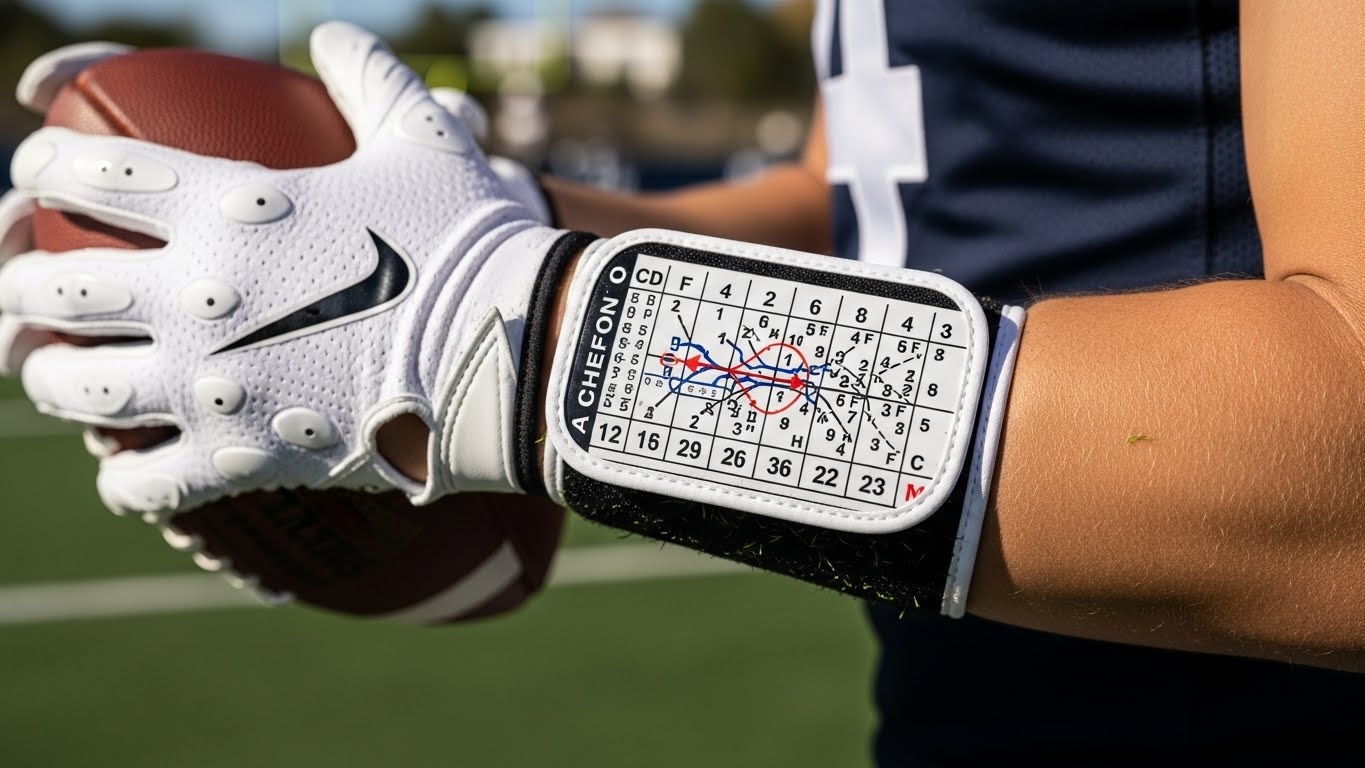
Modern football demands split-second decisions under immense pressure. Quarterbacks face an overwhelming cognitive challenge: processing defensive alignments, remembering complex play calls, managing protection schemes, and executing precise throws—all within seconds. The solution many elite programs have embraced involves a simple yet powerful tool. Best Football QB wristbands transform how signal-callers manage mental workload, enabling them to perform at their peak when games are on the line.
Cognitive load theory explains why these tools work. The human brain’s working memory has limited capacity, processing only 3-7 chunks of information simultaneously. When cognitive demands exceed this capacity, performance deteriorates rapidly. Quarterbacks experiencing cognitive overload make poor reads, miss open receivers, and commit costly turnovers. Every coach recognizes these symptoms, yet traditional approaches often exacerbate the problem rather than solve it.
Understanding Cognitive Load in High-Pressure Football Situations
The 1965 Baltimore Colts faced a quarterback emergency when injuries depleted their depth chart. Running back Tom Matte received an unusual assignment: emergency quarterback. Head coach Don Shula attached a wristband containing simplified play information to Matte’s arm. The Colts won that game 20-17, and this innovation sparked a revolution in how teams communicate during competition.
Research in cognitive psychology demonstrates that working memory limitations create performance bottlenecks across all domains requiring rapid decision-making. In football, quarterbacks must simultaneously track pre-snap reads, process audible signals, recall route concepts, identify blitz patterns, and manage play clock pressure. This multitasking overwhelms cognitive resources, particularly for developing players still building automaticity in their mental processes.
Studies examining cognitive load in team sports consistently show that mental fatigue impairs decision accuracy and increases reaction time. When athletes experience elevated cognitive demands, their brains allocate more working memory to information processing, leaving fewer resources for motor execution. The NASA Task Load Index, a validated measurement tool, assesses mental demand across six dimensions: mental effort, physical demand, temporal pressure, performance assessment, effort expenditure, and frustration levels. Athletes performing under excessive cognitive load score significantly higher across all dimensions.
Elite quarterbacks like Tom Brady and Patrick Mahomes have utilized wristband systems throughout their careers. These players recognize that reducing cognitive strain during play calling preserves mental resources for the complex decision-making that separates good from great performance. The difference becomes particularly apparent in late-game situations when fatigue compounds cognitive challenges.
How Wristband Systems Streamline Play Communication
Traditional play calling requires quarterbacks to receive lengthy verbal instructions, often exceeding 20 words. Consider the complexity: “Zero Out Slot 62 F Slim Z Montana Flare” communicates formation, protection, route concept, and assignments. Under center in a hostile environment with 80,000 fans creating noise, processing this information strains even experienced players. Communication breakdowns become inevitable.
Football QB wristbands condense these complex calls into simple numerical codes. That same lengthy play might appear as “38” on a wristband chart. The quarterback receives a two-digit number through their helmet communication system, quickly references the wristband, and immediately knows all assignments. This compression dramatically reduces the cognitive processing required, freeing mental bandwidth for pre-snap analysis and defensive recognition.
The temporal dimension matters critically. NFL rules cut off quarterback helmet communication when the play clock reaches 15 seconds. Those remaining seconds represent the window for pre-snap adjustments, protection calls, and receiver alerts. When quarterbacks spend fewer seconds decoding the play call, they gain more time for the cognitive tasks that directly impact play success.
Offensive coordinators benefit equally from this system. Rather than articulating complete play sequences under time pressure, coaches simply call a number. This efficiency reduces their own cognitive load while accelerating information transfer. Denver Broncos coach Nathaniel Hackett explained that modern offensive complexity makes these tools essential: “As a play designer sometimes you want to get a little creative and those things can get a little verbose.”
Communication issues plague football at all levels. Stadium noise, equipment malfunctions, and human error create information gaps. Chicago Bears quarterbacks coach J.T. Barrett noted that helmet communication quality resembles “a walkie-talkie, it’s muffled” rather than clear Bluetooth audio. When communication degrades, quarterbacks lacking wristbands must reconstruct partial information, introducing error and hesitation.
The Science Behind Working Memory Management
Working memory capacity represents a fundamental constraint in human cognition. Researchers measure this through span tasks that test how many items individuals can hold in immediate memory. Most people manage 5-9 items, with 7 representing the average. Complex football plays fragment into numerous discrete elements: formation, motion, route concepts, protection schemes, snap counts, and potential audibles. Each element consumes working memory capacity.
Cognitive psychology distinguishes between automatic and controlled processing. Automatic processes require minimal cognitive resources—experienced quarterbacks automatically recognize Cover 2 defense without conscious analysis. Controlled processes demand deliberate attention and consume working memory. Novel play calls, unusual defensive looks, and pressure situations all trigger controlled processing, depleting cognitive reserves.
Football QB wristbands shift verbal play information from controlled to automatic processing. Reading a number and matching it to a visual chart requires less cognitive effort than parsing verbal play names into meaningful action. This reduction matters particularly for younger players still developing automaticity in their football cognition. Youth and high school quarterbacks benefit dramatically from tools that reduce mental strain.
Research on dual-task performance illustrates these principles. When athletes perform cognitive and motor tasks simultaneously, performance on both suffers compared to single-task conditions. Quarterbacks calling plays represent a complex dual-task scenario: they must decode verbal information while maintaining spatial awareness, tracking defensive movement, and preparing for physical execution. Reducing the cognitive demand of the verbal decoding component improves overall performance.
Attention represents another limited resource. Selective attention allows focusing on relevant stimuli while filtering distractions. Divided attention enables processing multiple information streams simultaneously, but with performance costs. Quarterbacks divide attention between many sources: coaches’ voices, defensive alignments, receiver routes, pass rush, and play clock. Every task added to this attention load increases error probability.
Performance Benefits Across Competitive Levels
Professional quarterbacks demonstrate measurable advantages when using wristband systems. Studies tracking decision-making time show that athletes with quick information access make faster, more accurate choices. Joe Flacco, traded to Cincinnati mid-season, relied heavily on his wristband to navigate unfamiliar play language. In his first start, he threw three touchdown passes and led a comeback victory. The wristband provided the cognitive support necessary for immediate performance in a new system.
NFL statistics reveal that approximately two-thirds of starting quarterbacks wear wristbands. This widespread adoption reflects the competitive advantages these tools provide. Quarterbacks using wristbands demonstrate improved first-play efficiency, fewer delay penalties, and better performance in high-pressure situations. The data supports what coaches observe: reduced cognitive load correlates with improved on-field execution.
Youth football programs see even more dramatic benefits. Developing players lack the extensive experience that creates automaticity in play recognition. For these athletes, every play represents a novel problem requiring conscious processing. Football QB wristbands provide scaffolding that enables young quarterbacks to focus on reading defenses and executing fundamentals rather than struggling to remember play details.
Flag football leagues have embraced these tools enthusiastically. The fast-paced nature of flag football, with its emphasis on spread formations and quick plays, creates ideal conditions for wristband benefits. Teams can run hurry-up offenses efficiently when every player wears a wristband showing identical information. The quarterback calls a number, and all ten players instantly know their assignments without huddles or lengthy explanations.
High school programs report that wristbands reduce practice time needed for play installation. Rather than spending hours drilling verbal play calls, teams can focus on execution and adjustment skills. This efficiency allows programs to install larger playbooks and adapt more quickly to opponent tendencies. Coaches can introduce new plays during game week without overwhelming players cognitively.
Addressing Individual Differences and Preferences
Not all quarterbacks embrace wristband systems. Some players, like Dallas Cowboys’ Dak Prescott, prefer memorizing plays and maintaining eye contact with teammates during huddles. This preference reflects individual differences in cognitive style and communication priorities. Prescott values the leadership moment of delivering play calls confidently without references, believing this approach builds team cohesion.
Tennessee Titans quarterback Ryan Tannehill occasionally uses wristbands in particularly loud stadiums but generally prefers hearing calls and visualizing plays mentally as coordinators communicate them. This approach works for experienced professionals who have internalized thousands of plays through years of repetition. For these athletes, the verbal play call triggers automatic pattern recognition that doesn’t require conscious decoding.
Minnesota Vikings quarterback Kirk Cousins described how his former coordinator, Sean McVay, called plays directly from memory rather than consulting call sheets. McVay’s photographic recall of his entire playbook meant he couldn’t easily translate plays into wristband numbers without disrupting his own cognitive process. This coordinator-quarterback dynamic illustrates how wristband adoption requires system-wide buy-in.
The decision to implement football QB wristbands should consider multiple factors: quarterback experience level, playbook complexity, communication environment, and coaching philosophy. Programs emphasizing rapid tempo benefit more than those using deliberate huddle-based approaches. Teams facing consistently loud road environments gain advantages from systems that reduce reliance on verbal communication.
Research on expertise development suggests that novice athletes benefit more from external aids than experts who have internalized extensive domain knowledge. Youth programs should view wristbands as essential tools rather than optional additions. For beginning quarterbacks, these systems prevent cognitive overload that could create negative associations with the position and hinder long-term development.
Integration with Modern Communication Technology
Recent rule changes in college football permit coach-to-player helmet communication, mirroring long-standing NFL protocols. One offensive player—typically the quarterback—wears a helmet with an integrated speaker receiving direct communication from coaches until the play clock reaches 15 seconds. This technology complements wristband systems by ensuring quarterbacks receive clear, immediate information even in hostile environments.
Companies like GoRout have developed comprehensive digital communication platforms that integrate with wristbands. These systems allow coaches to update play sheets in real-time, adapting to opponent adjustments without physical card changes. Coaches can send encrypted signals to wearable devices, combining the cognitive benefits of wristband reference with the flexibility of dynamic information updating.
Advanced wristband systems feature multiple card slots allowing separation of base plays, red zone packages, and two-minute drills. This organization reduces cognitive search time—quarterbacks can quickly access the relevant section rather than scanning a comprehensive list. Some systems incorporate color coding or symbols that provide additional visual cues supporting rapid information retrieval.
Technology trends suggest future evolution toward digital displays replacing physical cards. Smart wristbands with small LED screens could receive wireless updates, eliminating the need for manual card changes. However, current regulations in most leagues require devices to remain static during games, preventing real-time digital updates that might provide unfair competitive advantages.
The fundamental principle remains constant regardless of technology: reducing cognitive load improves performance. Whether through simple laminated cards or sophisticated digital interfaces, tools that help quarterbacks quickly access play information enable better decision-making. The specific implementation matters less than the commitment to managing cognitive demands strategically.
Coaching Strategies for Maximizing Wristband Effectiveness
Successful wristband implementation requires thoughtful planning. Coaches should design numbering systems that align with how players naturally categorize information. Grouping similar plays—all inside runs together, all play-action passes together—creates logical structure that reduces cognitive search time. Random numbering forces quarterbacks to scan the entire list rather than quickly accessing relevant sections.
Practice routines should incorporate wristbands from the earliest installation periods. When players practice with wristbands, they develop automatic habits of quick reference that transfer to games. Teams that use wristbands only during games miss this automaticity development. The tools should become extensions of players’ decision-making process rather than external references requiring conscious attention.
Color-coding represents another effective strategy. Different colors for offense, defense, and special teams allow immediate identification of the relevant section. Within offensive cards, colors might distinguish between run and pass plays, or between formations. These visual cues leverage human perceptual systems’ rapid color recognition capabilities, further reducing cognitive processing time.
Regular updates keep wristband content relevant and manageable. Rather than accumulating plays throughout a season, successful programs rotate content weekly, including only plays likely to be used in upcoming games. This focused approach reduces the information quarterbacks must manage, keeping cognitive load within optimal ranges. Overstuffed wristbands with hundreds of plays defeat their purpose by reintroducing cognitive search demands.
Team-wide adoption amplifies benefits. When every offensive player wears identical wristbands, the quarterback calls a single number and all ten teammates immediately know their assignments. This synchronization enables hurry-up offenses that pressure defenses by reducing between-play recovery time. Teams gain more snaps per game, creating additional scoring opportunities through pure tempo advantages.
Conclusion
Mental efficiency determines quarterback success as much as physical talent. Players facing overwhelming cognitive demands struggle to execute even basic reads, regardless of arm strength or athleticism. Football QB wristbands provide a proven solution, reducing the mental strain of play calling and freeing cognitive resources for the complex decision-making that wins games.
Research across cognitive psychology, sports science, and performance analysis consistently demonstrates that managing cognitive load improves athletic performance. From Tom Matte’s emergency quarterback appearance in 1965 to modern NFL stars like Patrick Mahomes and Lamar Jackson, wristband systems have enabled players to perform their best when pressure peaks. The widespread adoption across all competitive levels—from youth leagues to professional football—reflects the tangible advantages these tools deliver.
Programs prioritizing player development should view wristbands as essential equipment rather than optional accessories. The cognitive support they provide accelerates learning, reduces errors, and enables more sophisticated offensive systems. Young quarterbacks benefit most dramatically, as wristbands prevent the cognitive overload that could discourage players from continuing at the position.
As football continues evolving toward greater complexity, the importance of cognitive load management increases. Defensive coordinators design increasingly sophisticated schemes that challenge offensive recognition. Play calls grow more detailed, incorporating pre-snap adjustments and multiple contingencies. In this environment, tools that simplify information access become competitive necessities rather than marginal advantages.
The evidence is clear: football QB wristbands work. They reduce mental strain, accelerate decision-making, and enable peak performance under pressure. Coaches seeking every possible advantage should implement comprehensive wristband systems throughout their programs. The investment is minimal, but the returns—in wins, player development, and competitive edge—prove substantial. When the game is on the line and the defense shows unexpected looks, quarterbacks equipped with effective cognitive tools make the plays that determine outcomes.


 Accounting Experts
 tiptop einrichtung