Jack Dowson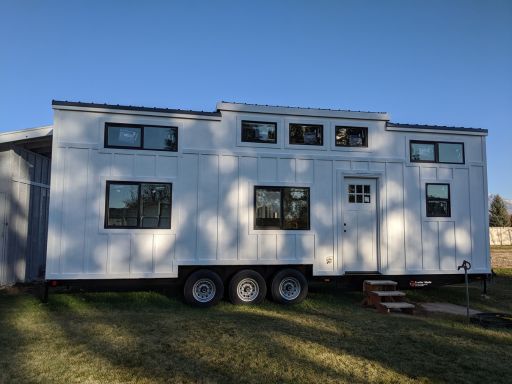
Most people obsess over layouts, finishes, cute lofts. I get it. That’s the fun part. But if you’re serious about tiny house trailers, you start at the bottom literally. The trailer is the foundation, the bones, the thing holding your whole life together while rolling at 90 km/h down a highway. Mess that up, and nothing else really matters. A lot of first-time builders don’t realize this until it’s too late. They treat it like a utility trailer with walls slapped on. It’s not. It’s structural. It’s legal. It’s everything.
Picking the Right Trailer Without Overthinking It
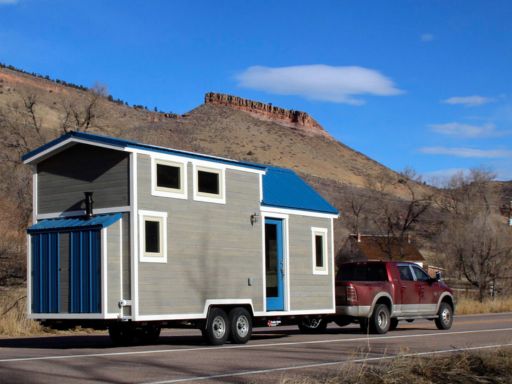
Here’s the deal. You don’t need the fanciest option on the market, but you absolutely need the right one. Go with trailers designed specifically for tiny homes. Not repurposed junk. Not “it’ll do.” Good tiny home builders will tell you the same thing. Look for proper weight ratings, low deck height, and brakes that actually work when fully loaded. And yeah, talk to tiny house manufacturers if you’re unsure. They’ve already made the mistakes you’re about to make. Learn from that instead of learning the hard way.
The Legal Tiny House Side Nobody Talks About Enough
This part gets messy. Real messy. A legal tiny house isn’t just about size—it’s about classification. Are you building an RV? An ADU? Something in between? Local rules can flip everything upside down. In some places, your home on wheels is treated like a vehicle. In others, it’s basically a house that just happens to move. That affects where you can park, how you can live, even whether you can insure it. People ignore this, then panic later. Don’t be that person. Talk to your local authority early. It’s boring, but necessary.
Weight, Balance, and Why Your Trailer Cares
Tiny house trailers have limits. Real ones. You can’t just keep adding hardwood cabinets, stone countertops, and three water tanks because it “looks nice.” Weight distribution matters more than aesthetics. Too heavy on one side, and your trailer pulls weird. Too heavy overall, and you’re unsafe. Period. Good ADU builder teams and experienced tiny home builders design with weight in mind from day one. It’s not glamorous, but it keeps your house on the road—and not on the evening news.
Working With Tiny Home Builders (Or Not)
Some people want the DIY badge of honor. I respect that. But also, be honest with yourself. If you’ve never built anything bigger than a bookshelf, maybe don’t start with a rolling house. Tiny house manufacturers and builders exist for a reason. They understand structural loads, road safety, and yes, the legal tiny house requirements that vary by region. Even if you don’t hire them, consult one. A short conversation can save months of frustration. And money. Lots of money.
Mobility vs Stability: You Can’t Max Out Both
Everyone says they want a home that’s fully mobile but also feels like a permanent house. Those goals clash more than people admit. The more mobile your tiny house trailers setup is, the lighter and simpler it needs to be. The more “home-like” you go—big appliances, heavy finishes—the less practical it becomes to move. It’s a trade-off. Always has been. Decide early what matters more: freedom to move or comfort when parked. You can’t fully optimize both. Not really.
Common Mistakes That Sneak Up On You
I’ve seen it over and over. People underestimate height limits, forget about towing capacity, or skip checking local zoning laws. Then reality hits. Bridges exist. Police exist. Regulations definitely exist. A legal tiny house isn’t just about building something cool—it’s about building something that won’t get you fined or forced off your land. And don’t forget maintenance. Trailers need care too. Tires wear out. Brakes need checking. It’s not a “set it and forget it” situation.
The Real Payoff of Doing It Right
When you get it right, though, it’s a different kind of freedom. Not the Instagram version—the real one. You’ve got a home that moves when you need it to, stays put when you want it to, and doesn’t constantly fight you with legal issues or structural problems. That starts with smart decisions around tiny house trailers and understanding what a legal tiny house actually requires. It’s not about perfection. It’s about doing the important stuff properly, even if it’s less exciting.
Conclusion
Tiny homes look simple from the outside. They’re not. Underneath that cozy aesthetic is a pile of technical decisions—trailers, weight, laws, builders, trade-offs. Ignore those, and things fall apart fast. Pay attention, ask questions, accept that some parts are boring but critical, and you’ll end up with something solid. Not just cute. Actually livable. And that’s the whole point, isn’t it.


 Meta Minds
 Ammar Saleem