Crystal Units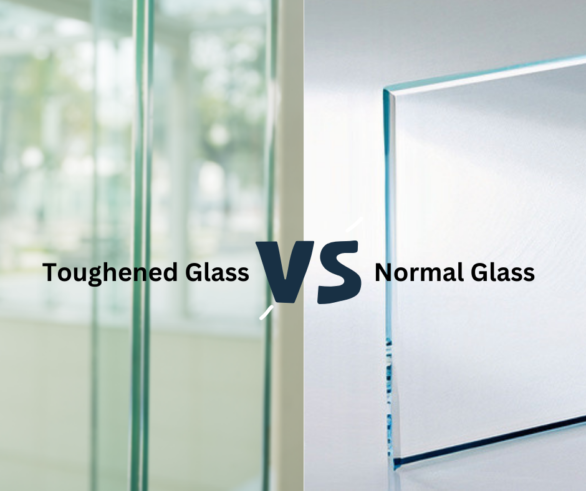
Toughened glass, also known as tempered glass, has found immense utility in the construction industry. This type of glass is valued for its strength and safety. Toughened glass vs tempered glass is increasingly used in residential and commercial spaces. It is used for the construction of windows and doors as well as furniture. It is an essential aspect of construction.
What Is Toughened Glass?
Toughened glass is a form of safety glass produced through a carefully controlled thermal process. The production process for toughened glass involves heating it to a very high temperature and then rapidly cooling it. The result is that stresses are created in the glass, increasing its strength to a level tougher than that of annealed glass.
One key feature of toughened glass is its fracture mechanism. When regular glass breaks, it tends to shatter into sharp pieces that pose a hazard to humans. With tempered glass, on the other hand, it breaks into smaller, less dangerous pieces. This property has made it popular because safety is a concern.
Main Advantages of Toughened Glass
The key benefit of toughened glass is its high strength. Toughened glass is generally several times stronger than ordinary glass of identical thickness, making it suitable for demanding applications. It enhances the scope for using larger glass surfaces with greater openness in design without undermining safety considerations.
The key advantage is its strength and safety. Owing to its fracture pattern, toughened glass is preferred in applications where human interaction is expected, such as doors, shower doors, balustrades, and partitions. Its impact resistance also makes it an ideal choice for high-traffic areas.
Additionally, toughened glass is very temperature-resistant. Such glass can withstand considerable temperature differences without cracking. As a result, it can be used both indoors and outdoors. Temperature resistance is a significant advantage, whether used indoors or for external walls. For example, it can be used in the bathroom or kitchen.
Uses of Toughened Glass
Toughened glass is widely used in residential applications, including windows, glass doors, shower enclosures, table tops, shelves, and even splashbacks. It is due to its cleanliness and strength.
Toughened glass is commonly used in commercial settings, such as office partitions, shop fronts, display racks, and interior glazing, enabling a business owner to achieve a light-filled, open atmosphere while remaining safe and strong.
Toughened glass is also employed in architectural features, namely facades, canopies, stairways, and balustrades. In these applications, the glass is not only reliable, but it also contributes to a modern design.
Toughened glass has found widespread acceptance, partly because of its design flexibility. Toughened glass can be customised in terms of thickness, design, and finishes to meet project requirements. There are different types of finishes, including clear, frosted, coloured, and patterned.
Edge treatments, such as polished or bevelled edges, enhance the aesthetic value of toughened glass. Customised toughened glass can be made to meet design requirements, thereby increasing its demand as a design material.
Compliance With This Specification
Toughened glass is produced to a set of quality standards. These quality standards are essential to ensure that the glass performs well in its intended uses and that it breaks safely when it does. Impacted areas, such as doors, bathrooms, or general spaces, are considered critical to ensure compliance with safety standards.
It must always be remembered that toughened glass cannot be cut or drilled. So, all measurements, modifications, or adjustments must be made before toughening. As can be seen, it requires careful planning.
Energy Efficiency and Sustainability
Though toughened glass for sale online primarily focuses on strength and safety, it also offers another very important aspect: energy efficiency, particularly when used alongside other glazing methods. Not only does it improve stability, but it also increases resistance to heat flow and, thus, heat loss. It increases comfort inside a house while also lowering energy bills.
Toughened glass is a sustainable option because of its strength and long service life. It is damage-resistant, requiring fewer replacements, and fully recyclable after its service life. All of these are environmentally friendly construction methods.
Maintenance and Longevity
Taking care of toughened glass is relatively easy and economical. The smooth surface of tempered glass does not scratch or stain easily and can be cleaned using common glass cleaners. When properly cared for, toughened glass can last for several years with minimal change in performance.
Toughened glass is an essential product in the modern world, delivering the best of all aspects, including strength, safety, and appearance, under one single roofing. Its ability to withstand a wide range of conditions, including scratches, temperature changes, and other stresses, makes it an appropriate product for homes, offices, and other buildings. Because of its durability, design, and value, toughened glass remains a wise choice.


 Hyper Baric pro
 Bella Anderson