Traditional vs. Cloud-Based POS Systems for Restaurants: Which Is Better?

Running a restaurant is not about serving good food. You also need the right tools to take orders and manage your sales. A POS system is one of the most useful tools for this job. It helps you handle payments, track sales and manage your daily work easily. But when you choose a POS system you need to decide between a traditional POS system and a cloud-based POS system.

Both can help you run your restaurant smoothly. But they work in different ways. Let’s understand them in the simplest way possible.

What Is a Traditional POS System

A traditional POS system is an old-style setup where all your data is stored inside your restaurant. Everything like your sales and reports stays saved on local computers. You can only use this system inside your restaurant.

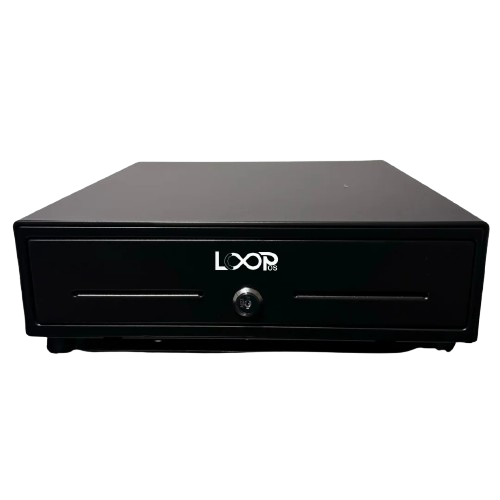
Traditional POS systems come with monitors, printers and cash drawers. These systems have been used in restaurants for many years. They are strong and dependable but they need regular maintenance.

If your system stops working you may have to call a technician to fix it. Also if there is a power issue or system crash you may lose some data. This type of system needs backups and updates which can take time and effort.

What Is a Cloud-Based POS System

A cloud-based POS system works using the internet. It stores all your data safely online. You can see your sales and reports from anywhere on your phone, tablet or computer.

You do not need heavy hardware or servers. Cloud POS systems are easy to set up and use. They update automatically and do not need a technician to manage them.

Cloud POS systems can also connect with other apps like online ordering or delivery platforms. If your internet goes down most systems still let you take orders offline. Once the internet is back everything updates automatically.

Main Differences Between Traditional and Cloud-Based POS

The biggest difference is where your data is stored. In a traditional POS your data stays in your restaurant. In a cloud POS your data stays safely online.

Here are more simple differences

  • Traditional systems need more setup and hardware. Cloud systems are easy to install.

  • Traditional systems need manual updates. Cloud systems update by themselves.

  • Traditional systems work only in the restaurant. Cloud systems work anywhere.

  • Traditional systems need a high upfront cost. Cloud systems charge a small monthly fee.

  • Cloud systems grow easily if you open more branches.

If you want to learn more about restaurant technology you can check POS systems for restaurants for simple and helpful details.

Why Many Restaurants Choose Cloud-Based POS

Many restaurant owners are now moving from traditional systems to cloud POS systems. The main reason is flexibility. You can see your data anytime even when you are not at the restaurant.

A cloud POS system is also cheaper in the long run. You do not need servers or expensive setups. You only need an internet connection and a subscription.

These systems also make your daily work faster and smoother. You can manage menus, track inventory and even check staff performance easily.

To explore options that make work easier you can see cloud POS systems for restaurants and learn how they can help your business grow.

When a Traditional POS Still Works

Some restaurants still prefer traditional POS systems. They work well if your restaurant has a weak or unstable internet connection. You can continue working without worrying about connectivity.

Also if your business is small and you do not need advanced features a traditional POS can still do the job. It is familiar to many owners who have been using it for years.

But remember over time the cost of updates and repairs can increase. You may need to call a technician often to maintain the system.

How to Choose the Right POS System

To pick the right POS system, think about what your restaurant really needs.

If you want something simple and offline a traditional POS can be enough. But if you want more features, easy updates and the option to manage your restaurant from anywhere a cloud POS is a better choice.

Ask yourself these simple questions

  • Do you want to check your data from home or phone

  • Do you plan to open more restaurants in the future

  • Is your internet connection stable

  • Do you prefer to pay once or pay monthly

Your answers will help you make the right choice for your restaurant.

Final Thoughts

Both systems can make your restaurant run better. A traditional POS gives you control even without the internet. A cloud POS gives you freedom and real time updates.

If your restaurant is small and simple a traditional POS can still work. If you want to grow and use modern tools a cloud POS is the smart option.

The goal is to make your restaurant faster, more accurate and easier to manage. LOOPos offers simple and smart POS systems for restaurants that make daily work easy and help you serve customers faster.


Related Posts

How Long Do Premium Outdoor Site Furnishings Last?

Premium Outdoor Site Furnishings typically last between 15 and 30 years, depending on the materials used, environmental exposure, and maintenance practices. These furnishings are engineered for public environments such as…

Waste Management Market to Benefit from Technological Advancements in Waste Processing

The global waste management market plays a crucial role in maintaining environmental sustainability, public health, and efficient resource utilization. Waste management involves the systematic collection, transportation, treatment, recycling, and disposal of waste materials generated from households, industries, healthcare facilities, and electronic products. As urbanization and industrialization continue to expand worldwide, the volume of waste generated has increased significantly, creating the need for efficient waste management systems and infrastructure. According to industry analysis, the global waste management market size was recorded at USD 449.81 billion in 2023. The market is estimated to grow to USD 465.78 billion in 2024 and is projected to reach approximately USD 657.55 billion by 2031, registering a compound annual growth rate (CAGR) of 5.05% during the forecast period of 2024 to 2031. The steady growth of the waste management industry is largely driven by the increasing generation of municipal, industrial, and electronic waste. Rapid urban population growth, rising consumption of packaged goods, and shorter product life cycles have led to higher waste generation globally. Governments and private organizations are increasingly investing in advanced waste management technologies and recycling infrastructure to address environmental challenges and promote sustainable waste disposal practices. Additionally, the rising focus on circular economy practices and resource recovery is encouraging companies and municipalities to adopt innovative waste processing solutions such as recycling, composting, and waste-to-energy technologies. Get the Full Detailed Insights Report: https://www.kingsresearch.com/waste-management-market-720 Market Overview Waste management is a critical component of modern infrastructure, as improper waste disposal can lead to environmental pollution, health risks, and climate change impacts. Efficient waste management systems help reduce landfill use, recover valuable materials, and minimize greenhouse gas emissions. The increasing emphasis on sustainability and environmental protection has encouraged governments worldwide to implement strict regulations and policies related to waste disposal and recycling. Initiatives such as landfill taxes, recycling targets, and extended producer responsibility (EPR) programs are compelling industries to adopt environmentally friendly waste management practices. Furthermore, technological advancements in waste processing and digital waste management systems are improving operational efficiency. Smart waste collection systems, automated sorting technologies, and AI-based waste tracking solutions are helping municipalities optimize waste management processes and reduce operational costs. The rising awareness among consumers regarding environmental conservation has also played a significant role in promoting waste reduction and recycling initiatives, contributing to the growth of the waste management market. Market Growth Drivers Increasing Urbanization and Population Growth One of the primary factors driving the growth of the waste management market is the rapid increase in global population and urbanization. As urban populations expand, the volume of municipal solid waste generated from residential and commercial areas continues to rise. Cities require well-organized waste collection, transportation, and disposal systems to maintain sanitation and prevent environmental contamination. Urbanization has also led to increased consumption of packaged goods, plastic products, and electronic devices, which contributes to higher waste generation rates. Governments are therefore investing heavily in modern waste treatment and recycling facilities to manage this growing waste burden effectively. Expansion of Industrial Activities Industrial development across emerging economies has significantly increased the generation of industrial waste. Manufacturing, mining, chemical processing, and construction activities produce large volumes of waste materials that require specialized treatment and disposal. Industrial waste management services are becoming increasingly important as industries face strict environmental regulations regarding hazardous waste disposal. Companies are adopting sustainable waste management practices such as recycling, resource recovery, and waste minimization to comply with regulatory requirements and reduce environmental impact. Growing Environmental Awareness Increasing global awareness about environmental sustainability is another major factor contributing to the expansion of the waste management market. Governments, organizations, and individuals are increasingly adopting practices aimed at reducing pollution and promoting recycling. The transition toward a circular economy—where waste materials are reused, recycled, and converted into valuable resources—is gaining momentum worldwide. Waste management companies are focusing on advanced recycling technologies to recover materials such as metals, plastics, and electronic components. Rising E-Waste Generation The rapid adoption of electronic devices such as smartphones, laptops, and consumer electronics has significantly increased electronic waste (e-waste) generation worldwide. E-waste contains hazardous substances such as heavy metals, which require proper treatment and recycling to prevent environmental damage.…

Leave a Reply

Your email address will not be published. Required fields are marked *

You Missed

Temple Ordinances and Thinking Celestial: A Deeper Connection

Temple Ordinances and Thinking Celestial: A Deeper Connection

Redefine Your Features at the Best Aesthetic Clinic in Dubai for Fillers

Redefine Your Features at the Best Aesthetic Clinic in Dubai for Fillers

Best Aesthetic Clinic in dubai: Electrolysis Laser Hair Removal Benefits

Best Aesthetic Clinic in dubai: Electrolysis Laser Hair Removal Benefits

Choosing the Right Marketing Automation Agency in Atlanta

Choosing the Right Marketing Automation Agency in Atlanta

Cars for Sale in Iran – Buy Quality Vehicles with TITANIUM CARS

Cars for Sale in Iran – Buy Quality Vehicles with TITANIUM CARS

How the 91 Club APK Login Process Works: An Informational Guide

How the 91 Club APK Login Process Works: An Informational Guide