Daniel Inf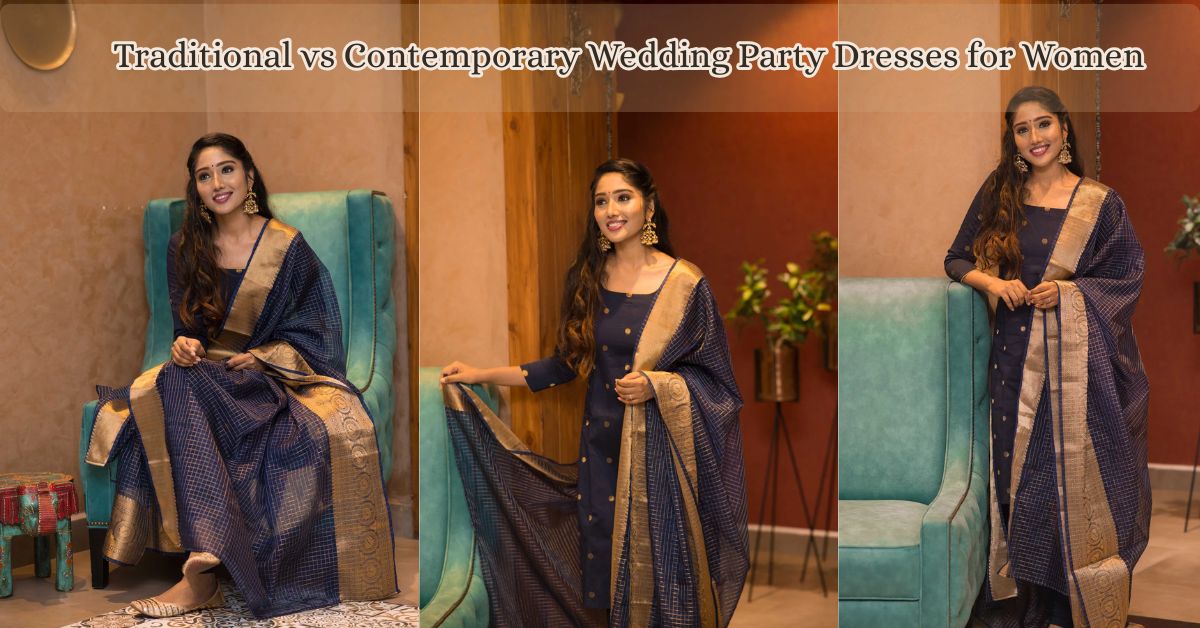
Weddings are a grand celebration of culture, style, and personal expression. Choosing the right outfit plays a major role in making the occasion memorable. When selecting Wedding Party Dresses for Women, the choice often comes down to two popular styles: traditional and contemporary. Both have their own charm, elegance, and appeal. Understanding the difference between these styles helps women confidently pick an outfit that reflects their personality and suits the celebration.
The Beauty of Traditional Styles
Traditional wedding outfits are deeply rooted in culture and heritage. They reflect regional craftsmanship, classic silhouettes, and time-honored designs. Popular traditional options include silk sarees, half sarees, lehengas, and long ethnic skirts paired with richly embroidered blouses.
Traditional dresses often feature luxurious fabrics like silk, brocade, and zari work. Gold-thread embroidery, temple borders, intricate motifs, and vibrant colors such as red, maroon, green, and royal blue are common elements. These outfits symbolize prosperity, grace, and cultural pride.
One of the biggest advantages of traditional attire is its timelessness. A well-chosen traditional outfit never goes out of fashion and can be worn for multiple occasions, including festivals and family ceremonies. It also carries emotional value, as many designs are inspired by heritage patterns passed down through generations.
The Rise of Contemporary Styles
While tradition holds strong roots, modern fashion has introduced a new wave of contemporary wedding outfits. These designs blend ethnic inspiration with modern silhouettes and styling techniques.
Contemporary dresses often feature lighter fabrics such as georgette, chiffon, organza, and net. The focus is on comfort, easy movement, and sleek cuts. Off-shoulder blouses, crop tops with skirts, cape-style dupattas, and asymmetrical hems are some popular modern trends.
Color palettes in contemporary designs are also more experimental. Pastel shades, muted tones, metallic hues, and even unconventional colors like lavender or dusty pink are widely embraced. Minimal embroidery and subtle embellishments replace heavy traditional work, offering a refined and sophisticated look.
Comfort vs Grandeur
One key difference between traditional and contemporary styles lies in comfort and structure. Traditional dresses are often heavier due to rich fabrics and detailed embroidery. They create a majestic and regal appearance but may feel slightly weighty during long celebrations.
On the other hand, contemporary outfits prioritize ease and mobility. Lightweight materials and modern tailoring ensure comfort, especially for dancing, socializing, and long wedding events. Women who prefer a relaxed yet stylish appearance often lean toward modern designs.
However, comfort does not mean compromising elegance. Many contemporary outfits maintain a festive look while allowing freedom of movement.
Cultural Significance vs Personal Expression
Traditional wedding attire strongly reflects cultural identity. Wearing classic designs connects women to their roots and family traditions. For many, weddings are an opportunity to celebrate heritage through clothing.
Contemporary styles, meanwhile, allow for more personal expression. Women can experiment with fusion designs, mix-and-match elements, and bold fashion statements. This approach suits those who enjoy standing out and embracing individuality.
The choice ultimately depends on how a woman wants to present herself at the event — as a graceful embodiment of tradition or as a trend-conscious modern guest.
Versatility and Reusability
Traditional dresses are often versatile for multiple cultural events. A silk saree or half saree can be styled differently with new accessories each time. These outfits remain relevant across generations.
Contemporary dresses, especially fusion styles, may have limited reuse depending on the design. However, they can be restyled creatively for receptions, cocktail parties, or festive gatherings.
Women who prefer long-term wardrobe value might choose traditional pieces, while those who enjoy updating their style frequently may favor contemporary trends.
Finding the Perfect Balance
Interestingly, many women today choose a blend of both styles. Designers are increasingly combining traditional fabrics with modern cuts. For example, pairing a classic silk skirt with a stylish blouse or adding a contemporary drape to a heritage fabric creates a balanced look.
This fusion approach offers the best of both worlds — the richness of tradition and the freshness of modern fashion.
Making the Right Choice
Selecting between traditional and contemporary wedding outfits depends on several factors:
- Type of wedding (traditional ceremony vs modern reception)
- Personal comfort preference
- Cultural expectations
- Budget
- Styling vision
Understanding the event’s theme and your personal style will guide you toward the perfect choice.
In many South Indian celebrations, classic attire still holds strong appeal. For example, the elegance of a Traditional Pattu Pavadai continues to be a favorite for grand weddings and cultural functions. Its luxurious silk texture and intricate detailing beautifully represent heritage while making a powerful style statement.
Whether you choose traditional grandeur or contemporary sophistication, the most important element is confidence. The right outfit should make you feel comfortable, beautiful, and ready to celebrate. Both styles have their unique strengths, and the perfect wedding look is one that reflects your personality while honoring the joy of the occasion.


 David Miller
 Rohit Verma