Sahu
Sahu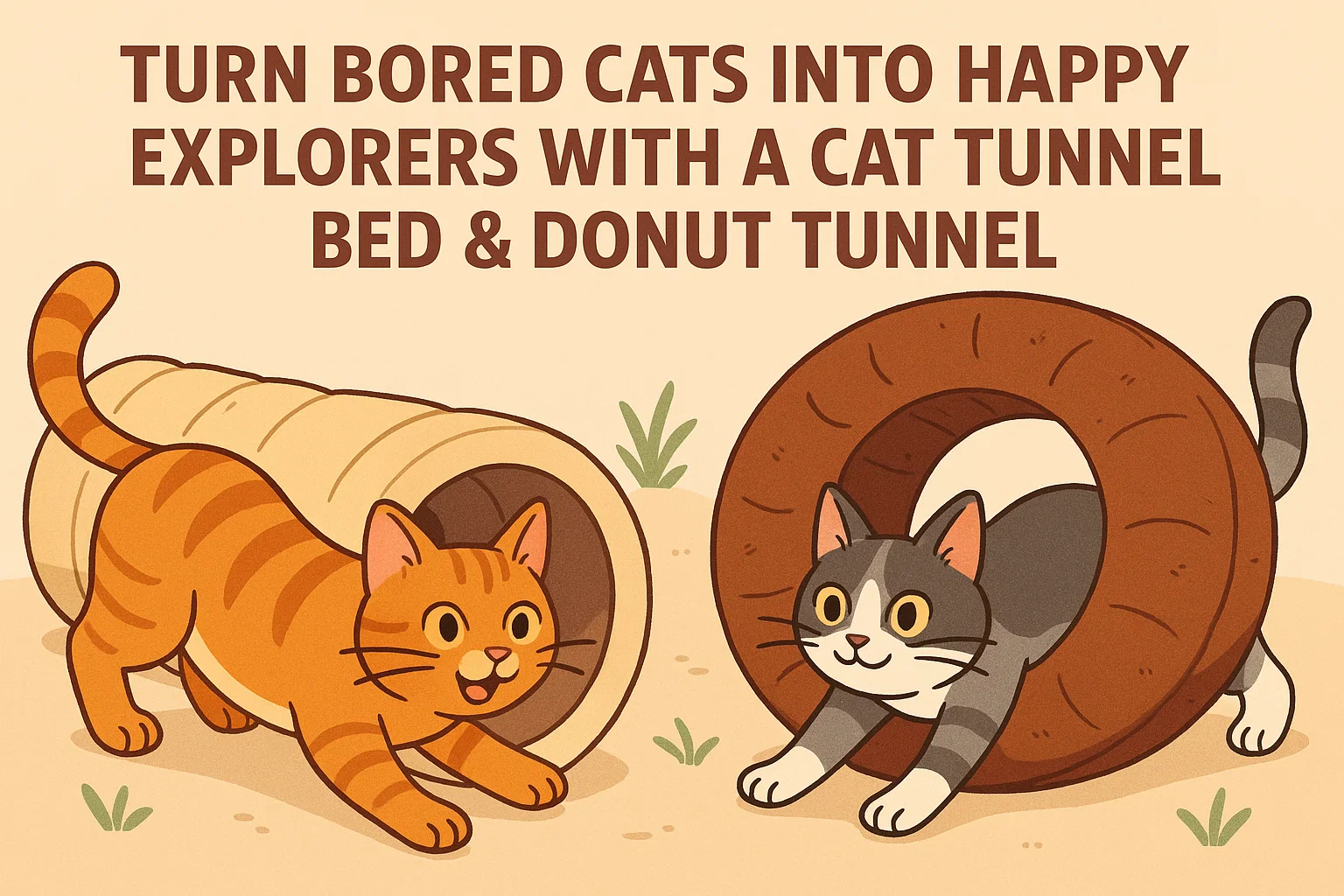
Indoor cats live safe and comfortable lives, but safety often comes with an unexpected downside: boredom. Without enough stimulation, even the most relaxed cat can grow restless, anxious, or disengaged. Many cat parents notice these changes but aren’t always sure how to help. The solution doesn’t require a home renovation or expensive gadgets. Sometimes, the right environment is all it takes.
A cat tunnel bed paired with a cat donut tunnel creates a playful, secure, and enriching space that taps directly into a cat’s natural instincts. These simple structures turn an ordinary room into a miniature adventure zone filled with hiding spots, cozy naps, and surprise play.
This guide explores how tunnel-based beds work, why cats love them, how to use them properly, and what benefits and limitations they bring to daily feline life.
Why Indoor Cats Get Bored More Easily Than We Think
Cats may sleep up to 16 hours a day, but the remaining time matters. In the wild, cats spend much of their waking hours hunting, stalking, hiding, climbing, and exploring. Indoor cats lack most of that natural stimulation.
Common signs of boredom include:
- Excessive sleeping
- Destructive scratching
- Overeating
- Aggression toward other pets
- Loud vocalization
- Chasing shadows or pacing
Mental enrichment is just as important as physical exercise. Without it, stress builds quietly. That’s where structured play environments come into the picture.
Understanding the Cat Tunnel Bed Concept
A cat tunnel bed combines two things cats seek naturally: enclosed safety and playful movement. It allows cats to crawl through hidden passageways, peek through openings, and curl up inside for sleep.
Unlike flat beds, tunnel beds provide:
- Covered retreat zones
- Multiple entry and exit points
- Textural stimulation
- Temperature regulation through enclosed space
The circular design often seen in a cat donut tunnel adds another layer of appeal. Cats instinctively gravitate toward round spaces because they feel protected from all sides.
When placed correctly, these beds serve as:
- Play zones
- Rest areas
- Stress-reduction tools
- Territorial safe spaces
Why Cats Are Drawn to Tunnel Shapes
Cats are ambush predators. Their brains are wired for hiding, stalking, and sudden movement. Tunnels mimic tall grass, shrub tunnels, and natural crevices found in outdoor environments.
Here’s what makes tunnel shapes irresistible:
- Visibility control: Cats can see out without being seen.
- Safe retreat: Enclosed spaces lower cortisol levels.
- Hunting practice: Perfect for sneak attacks on toys.
- Thermal comfort: Heat stays trapped inside.
A cat donut tunnel adds continuous curved motion, allowing cats to chase each other or toys in loops, which increases physical activity without needing large floor space.
How a Cat Tunnel Bed Transforms Daily Behavior
When properly introduced, the daily changes are subtle but meaningful:
- Cats show more exploratory behavior
- Play sessions become longer and more frequent
- Nervous cats gain confidence
- Inter-cat tension decreases
- Sleep becomes deeper and more restful
Cats that once hid under sofas or behind furniture often choose tunnel beds instead because they offer privacy without isolation.
How to Introduce a Cat Tunnel Bed to a Hesitant Cat
Not every cat jumps into new objects immediately. Some need gentle exposure.
Step-by-Step Introduction:
- Place it near an existing sleeping area
Let the cat approach in familiar territory. - Leave it untouched for 24 hours
Cats like to observe before engaging. - Add a familiar scent
A used blanket or toy placed inside helps. - Use treats at the entrance
Encourage voluntary exploration. - Never force entry
Forced interaction creates negative association.
Most cats accept tunnel spaces within a few days when introduced calmly.
The Role of a Cat Donut Tunnel in Multi-Cat Homes
Shared environments can create tension when cats compete for space. The circular design of a cat donut tunnel allows:
- Multiple cats to play without direct confrontation
- Safe “escape routes” during chase play
- Separate lounging zones within one structure
It naturally regulates social play without requiring human intervention. Cats learn to take turns passing through the loop, which reduces conflict over time.
Top Behavioral Benefits of Using Tunnel Beds
Here are the most noticeable benefits cat owners report when using tunnel-style beds:
- Reduced nighttime restlessness
- Increased independent play
- Improved confidence in shy cats
- Less destructive scratching
- Better weight management through increased activity
- Lower anxiety during environmental changes
- Stronger bonding between multiple cats
- Healthier sleep cycles
These effects build gradually as the bed becomes part of the cat’s territory.
How Tunnel Beds Encourage Exercise Without Stress
Traditional exercise tools often require human involvement—wand toys, laser pointers, chasing games. While these are useful, cats also benefit from independent activity.
A cat tunnel bed encourages:
- Sprinting through enclosed paths
- Sudden direction changes
- Pouncing through openings
- Jumping in and out
Unlike forced play, tunnel play is entirely self-directed. This autonomy prevents overstimulation and keeps stress levels low while still promoting movement.
The Psychological Comfort of Donut-Shaped Spaces
Round spaces provide continuous boundary protection. When a cat enters a donut-shaped tunnel:
- The body remains fully supported
- The cat feels hidden without being trapped
- Peripheral vision stays partially open
- Body temperature stabilizes quickly
This combination triggers safety and relaxation signals in the nervous system. It’s why many anxious cats sleep better inside curved tunnel beds than in open floor beds.
Seasonal Use of Tunnel Beds
Tunnel beds are not limited to one season.
- Winter: Enclosed structure retains warmth.
- Summer: Breathable fabric allows airflow while providing shade.
- Monsoon or humid seasons: Helps prevent sleeping on cold floors.
- Shedding seasons: Acts as a fur collection zone, keeping floors cleaner.
This all-season usability increases the utility of a cat tunnel bed across the year.
How Tunnel Beds Support Aging Cats
Senior cats often experience joint stiffness, reduced confidence, and changes in vision. A low-entry tunnel bed provides:
- Shelter without high jumps
- Gentle stretching through slow crawling
- Secure sleeping spaces that reduce arthritis pressure
- Quiet isolation from younger, energetic cats
Unlike elevated trees, tunnel beds stay ground-level, which suits aging mobility needs.
Pros and Cons of Using a Cat Tunnel Bed
Pros
- Encourages physical activity
- Reduces boredom naturally
- Supports emotional security
- Works in small apartments
- Suitable for all age groups
- Helps with multi-cat harmony
- Enhances independent play
Cons
- Requires occasional cleaning
- Some cats need time to adapt
- May occupy floor space
- Light plastic versions may move during play
When compared with traditional toys, the pros outweigh the limitations for most households.
Pros and Cons of a Cat Donut Tunnel
Pros
- Circular chase play increases cardio activity
- Continuous loop reduces dead-end conflict
- Multiple entry points prevent ambush stress
- Soft enclosed napping zones
- Easy to reposition around the home
Cons
- Larger models need more room
- Some cats prefer straight tunnels over loops
- Lightweight fabric may collapse during rough play
Understanding these traits helps match tunnel style to a cat’s personality.
How Often Should Tunnel Beds Be Cleaned?
Cleaning plays a key role in long-term usability.
- Light vacuum once per week
- Surface wipe every two weeks
- Deep clean monthly
- Immediate cleaning after accidents
Cats rely on scent for security. Over-cleaning with harsh chemicals may repel them. Mild soap and water work best.
Where to Place a Cat Tunnel Bed for Maximum Engagement
Placement affects usage more than design.
Best locations include:
- Near windows with sunlight
- Along feline walking routes
- Beside scratching posts
- Near sleeping zones
- In quiet corners of living rooms
Avoid placing tunnel beds directly in noisy traffic paths where startle responses remain high.
Play Ideas Using Tunnel Beds
Even though tunnel beds encourage independent play, occasional interaction strengthens engagement.
Try these:
- Rolling soft balls through the tunnel opening
- Letting two cats chase a toy through opposite ends
- Using treat trails leading through the tunnel
- Laying a feather wand across the entrance
This interactive approach builds confidence and reinforces positive associations.
How Tunnel Beds Affect Night-Time Zoomies
Many cat owners struggle with midnight energy bursts. When cats release stored daytime energy through self-guided tunnel play, nighttime zoomies often decrease in intensity.
Regular evening tunnel activity supports:
- Better sleep for pets
- Quieter nights for owners
- Balanced circadian rhythm
Common Misconceptions About Tunnel Beds
“My cat is too lazy for tunnels.”
Lazy often means understimulated. Tunnels gently reintroduce motion.
“Tunnels cause aggression.”
Properly sized tunnels actually reduce ambush conflicts.
“My home is too small.”
Most tunnel beds fold flat or tuck into corners.
“Only kittens enjoy them.”
Adult and senior cats benefit equally.
Cat Tunnel Beds vs Traditional Cat Trees
While trees offer vertical exploration, tunnel beds focus on horizontal movement.
| Feature | Tunnel Bed | Cat Tree |
|---|---|---|
| Space Required | Low | High |
| Enclosed Security | High | Moderate |
| Independent Play | High | Low |
| Joint-Friendly | High | Moderate |
| Multi-Cat Friendly | High | Moderate |
Both tools serve different purposes. Many homes successfully use both.
When a Cat Donut Tunnel Works Best
A cat donut tunnel works especially well for:
- Play-motivated cats
- High-energy breeds
- Sibling cat pairs
- Cats with hunting drive
- Homes with limited vertical space
The loop design keeps momentum continuous, which mimics natural chase patterns.
How Tunnel Beds Support Stress Recovery
After events such as:
- Moving homes
- Vet visits
- New pet introductions
- Loud environmental changes
Tunnel beds act as decompression zones where cats regulate their emotions privately. The enclosed shape lowers sensory overload during stress recovery periods.
What to Watch for After Introducing Tunnel Beds
In the first two weeks, observe:
- Frequency of use
- Play intensity
- Sleeping preference changes
- Territorial behavior around the tunnel
Adjust placement if the cat shows avoidance or guarding behavior.
Long-Term Behavioral Shifts with Tunnel Use
Over months of consistent access, many cats show:
- Improved independence
- Reduced separation anxiety
- Improved body tone through natural exercise
- Increased curiosity in new environments
- Healthier response to change
These effects develop organically without behavioral training.
Final Thoughts: A Simple Tool with Lasting Impact
Boredom is often silent in cats, but its effects appear slowly through behavior changes. A thoughtfully placed cat tunnel bed combined with a playful cat donut tunnel quietly reshapes indoor life for cats. It creates opportunity for movement, privacy, rest, and confident exploration without forcing interaction.
Unlike complex toys that lose appeal quickly, tunnel-based environments align directly with feline instinct. They turn ordinary rooms into living landscapes of discovery, offering cats control over their own stimulation. For indoor cats, that freedom makes all the difference.


 LARGO CONCRETE
 Muhammad Rizwan