Alessandra Conti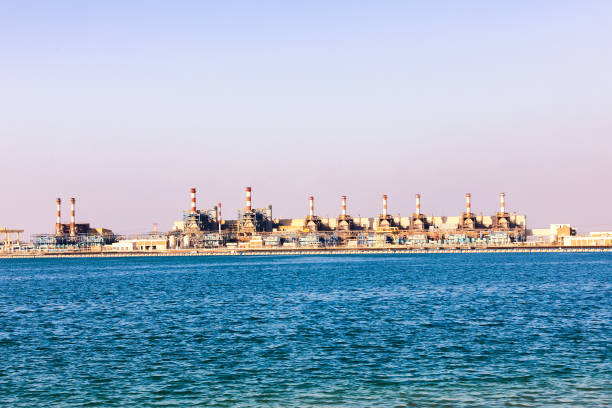
The UAE’s water and wastewater infrastructure is evolving as population growth, urban development, industrial expansion, and limited freshwater availability increase pressure on existing resources. Pumps are essential across desalination plants, potable-water networks, sewage systems, treatment facilities, irrigation projects, and industrial processes. Continued investment in water security is encouraging the adoption of reliable equipment designed for high-capacity operation, harsh environmental conditions, and improved energy performance.
According to MarkNtel Advisors, the UAE water and wastewater pump sector was valued at approximately USD 59 million in 2025 and is projected to increase from USD 47 million in 2026 to USD 64 million by 2032. This represents a 5.3% CAGR through 2032, supported by large desalination projects, treated-water reuse, infrastructure construction, industrial demand, and modernization of municipal utility systems.
Desalination Remains a Major Demand Driver
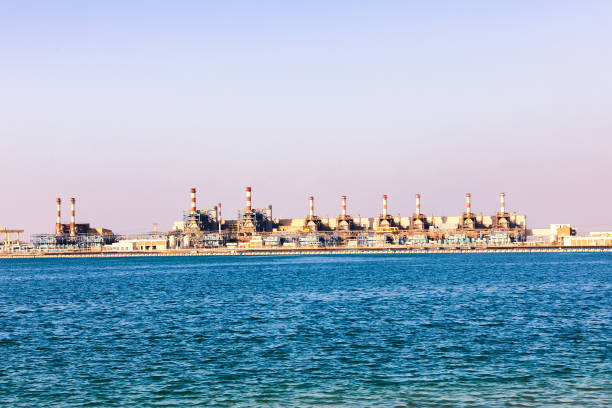
The country’s arid climate and lack of permanent freshwater rivers make seawater desalination central to its water supply. Desalination facilities require pumps for seawater intake, pretreatment, membrane pressure, chemical dosing, circulation, brine handling, and final distribution. As reverse-osmosis capacity expands, the need for high-pressure systems capable of continuous and efficient operation is also increasing.
The UAE Government’s water resources overview explains the role of desalination plants, dams, groundwater, and national initiatives in securing supplies. This infrastructure creates demand for corrosion-resistant materials because pumps frequently operate with saline water and aggressive treatment chemicals.
Water Security Objectives Shape Investment
National policy is promoting a more coordinated approach to supply, efficiency, storage, and reuse. The UAE Water Security Strategy 2036 aims to reduce total water demand by 21%, increase water productivity, improve emergency storage, and raise the reuse of treated water to 95%.
Achieving these objectives requires more than additional production capacity. Utilities need accurate monitoring, pressure management, efficient distribution, dependable wastewater collection, and flexible pumping systems. Variable-frequency drives and automated controls can adapt pump output to actual flow requirements, reducing unnecessary electricity consumption and mechanical wear.
Centrifugal Pumps Maintain Broad Adoption
Centrifugal pumps continue to account for a significant portion of demand because they can handle high fluid volumes across desalination, municipal water distribution, wastewater transfer, cooling, and drainage applications. Their broad capacity range and relatively straightforward maintenance make them suitable for both large treatment plants and smaller utility installations.
Specialized positive-displacement pumps are used where precise dosing, high pressure, sludge movement, or viscous fluids are involved. Submersible pumps remain important for sewage lift stations, construction dewatering, drainage networks, and flood-management systems.
Treated Wastewater Becomes a Strategic Resource
Wastewater reuse is gaining importance for landscaping, district cooling, agriculture, and selected industrial operations. Expanding reuse networks requires pumps throughout collection, biological treatment, filtration, disinfection, storage, and reclaimed-water distribution.
The UAE’s Ministry of Energy and Infrastructure has highlighted the use of advanced technologies to treat wastewater for agricultural irrigation. This approach can reduce dependence on freshwater resources while limiting untreated discharge into the environment.
The World Bank’s guidance on scaling water reuse describes treated wastewater as a dependable resource that can strengthen water security and support economic development. Reliable pumping is essential because fluctuating pressure or interrupted flows may reduce treatment performance and disrupt end-user supply.
Digital Monitoring Improves Operational Reliability
Smart sensors and connected controls are increasingly being integrated into pumping stations. Operators can monitor vibration, temperature, pressure, flow, and electricity consumption remotely, allowing potential failures to be identified before they cause prolonged shutdowns.
Predictive maintenance is particularly valuable in desalination and municipal systems where interruptions can affect large populations. It can also extend equipment life, optimize maintenance schedules, and reduce the need for emergency repairs.
The World Health Organization’s drinking-water guidelines emphasize managing risks throughout water abstraction, treatment, storage, and distribution. Stable pump operation supports this objective by maintaining controlled flows and consistent treatment conditions.
The UAE’s pumping landscape is therefore developing around capacity, resilience, and efficiency. Desalination will remain central, but wastewater reuse, automation, and lifecycle energy performance are becoming equally influential. Equipment capable of handling demanding environments while supporting digital control is likely to play a growing role in the country’s long-term water infrastructure.


 Kevin William
 Eknath Girhepunje