khan umar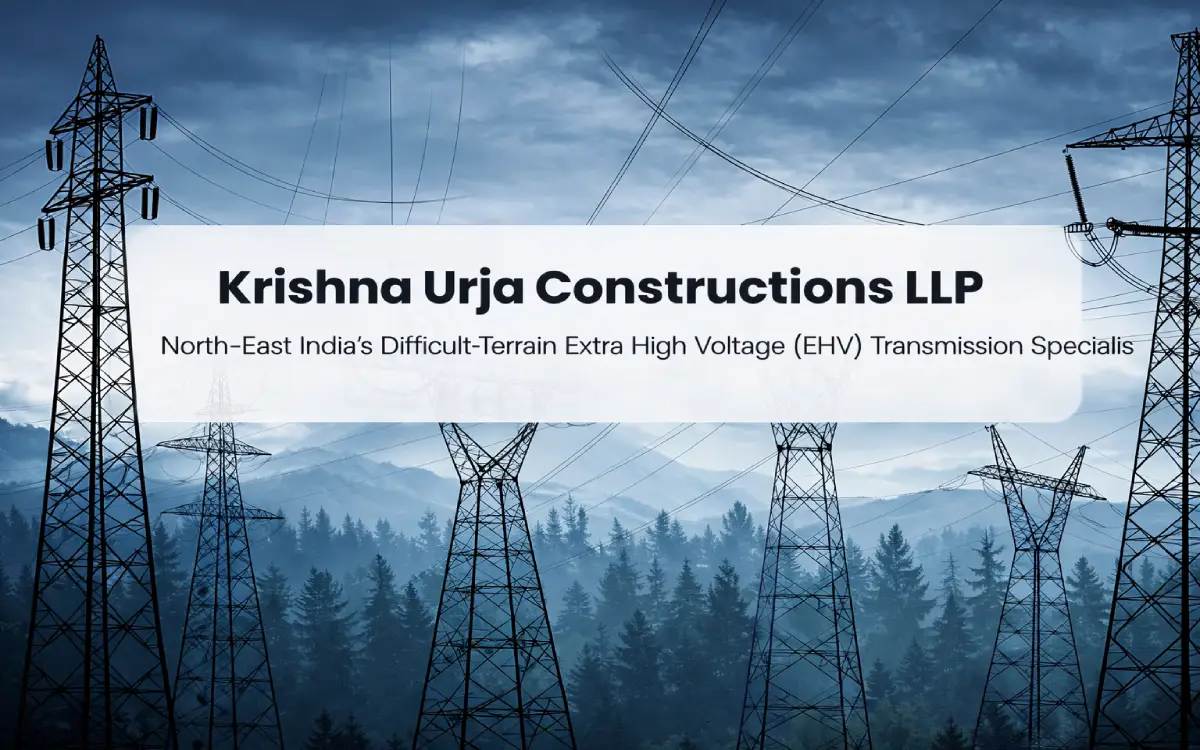
Electricity is one of the most important parts of modern life. It powers homes, industries, offices, hospitals, schools, and transportation systems. As cities grow and industries expand, the demand for electricity continues to increase. To meet this growing demand, power generated at power plants must be transported safely and efficiently over long distances.
This is where transmission systems play a crucial role in the power sector. An Extra High Voltage (EHV) Transmission Specialist is involved in designing, building, and maintaining transmission networks that carry large amounts of electricity across vast distances with minimal power loss.
Extra High Voltage transmission work is a critical part of the electrical infrastructure. It ensures that electricity generated at power plants reaches substations and eventually consumers in a reliable and cost-effective manner. Understanding how EHV transmission works can help businesses, engineers, and project developers appreciate its importance in the energy sector.
In this article, we will explore EHV transmission work, its importance, components, processes, challenges, and benefits in simple and easy-to-understand language.
What is Extra High Voltage (EHV) Transmission?
Extra High Voltage (EHV) transmission refers to the transportation of electrical power using very high voltage levels. These voltage levels are significantly higher than those used in normal distribution systems.
Typically, EHV transmission systems operate at voltage levels such as:
- 132 kV
- 220 kV
- 400 kV
- 765 kV
- Higher voltage systems in some countries
The main purpose of increasing voltage is to reduce power losses during transmission. When electricity is transmitted at higher voltages, the current decreases, resulting in lower energy losses.
This allows power companies to transport electricity over hundreds of kilometers efficiently.
Why is EHV Transmission Important?
Electricity is often generated far away from the places where it is consumed. Power plants may be located near rivers, coal mines, solar parks, wind farms, or other energy sources.
Without EHV transmission systems, it would be difficult to deliver electricity efficiently over long distances.
Some key reasons why EHV transmission is important include:
Reduced Power Loss
Higher voltage transmission reduces energy losses significantly, making power delivery more efficient.
Long-Distance Power Transfer
Electricity can be transmitted from remote generation stations to urban and industrial centers.
Improved Grid Reliability
Strong transmission networks improve the stability and reliability of the power grid.
Support for Renewable Energy
Solar and wind energy projects are often located in remote areas. EHV transmission helps connect these projects to the national grid.
Economic Benefits
Efficient transmission reduces operational costs and improves overall power system performance.
Key Components of EHV Transmission Systems
An EHV transmission network consists of several important components that work together.
Transmission Towers
Transmission towers support conductors and maintain safe distances from the ground and nearby structures.
These towers are usually made of steel and are designed to withstand:
- Wind loads
- Rain
- Storms
- Earthquakes
- Environmental conditions
Different tower designs are used depending on terrain and transmission requirements.
Conductors
Conductors carry electrical current from one location to another.
Common conductor materials include:
- Aluminum
- Aluminum alloy
- Aluminum conductor steel reinforced (ACSR)
Conductors must be strong, durable, and capable of carrying high electrical loads.
Insulators
Insulators prevent electricity from flowing into transmission towers or the ground.
They help maintain electrical isolation and system safety.
Common insulator types include:
- Porcelain insulators
- Glass insulators
- Composite insulators
Substations
Substations play a major role in transmission systems.
Their functions include:
- Voltage transformation
- Power switching
- Protection
- Grid control
Electricity is stepped up to high voltage before transmission and stepped down near consumption centers.
Ground Wire
Ground wires protect transmission lines from lightning strikes.
They provide a safe path for lightning currents and help protect equipment from damage.
How EHV Transmission Works
The process of EHV transmission involves several stages.
Power Generation
Electricity is generated at:
- Thermal power plants
- Hydroelectric plants
- Solar power plants
- Wind farms
- Nuclear power stations
The generated voltage is usually not high enough for efficient long-distance transmission.
Voltage Step-Up
Transformers at generating stations increase the voltage to EHV levels.
Higher voltage means lower current and reduced transmission losses.
Transmission
Electricity travels through transmission lines over long distances.
The network connects generation stations with substations and load centers.
Voltage Step-Down
At receiving substations, transformers reduce voltage levels.
This makes electricity suitable for distribution networks.
Distribution
Electricity is distributed through local distribution systems and finally reaches consumers.
Scope of EHV Transmission Work
EHV transmission projects involve many activities from planning to maintenance.
Route Survey
Engineers conduct surveys to identify the most suitable route for transmission lines.
Factors considered include:
- Terrain
- Forest areas
- Rivers
- Roads
- Railways
- Existing infrastructure
Engineering and Design
The design stage includes:
- Tower design
- Foundation design
- Conductor selection
- Electrical calculations
- Safety planning
Proper design ensures reliable operation for many years.
Foundation Construction
Tower foundations provide structural support.
Construction activities include:
- Excavation
- Reinforcement work
- Concrete pouring
- Quality testing
Strong foundations are essential for tower stability.
Tower Erection
Steel tower components are assembled and erected at designated locations.
Specialized equipment and skilled workers are required for this process.
Stringing of Conductors
Conductors are installed between transmission towers.
This process requires:
- Careful planning
- Safety measures
- Tension control
- Quality checks
Proper stringing ensures reliable performance.
Testing and Commissioning
Before energization, extensive testing is carried out.
Testing includes:
- Insulation checks
- Grounding verification
- Electrical testing
- Safety inspections
Once approved, the line is commissioned and connected to the grid.
Role of an EHV Transmission Specialist
An Extra High Voltage (EHV) Transmission Specialist plays an important role throughout the project lifecycle.
Their responsibilities include:
Project Planning
They help plan project execution, timelines, and resource requirements.
Technical Design
Specialists review technical specifications and system requirements.
Quality Assurance
They ensure that construction activities meet industry standards.
Safety Management
Safety procedures are implemented and monitored throughout the project.
Problem Solving
Specialists identify and resolve technical challenges during construction and operation.
Performance Monitoring
After commissioning, they monitor system performance and recommend improvements when necessary.
Challenges in EHV Transmission Projects
EHV transmission projects are large and complex. Several challenges may arise during execution.
Difficult Terrain
Projects often pass through:
- Mountains
- Forests
- Rivers
- Remote locations
Construction in such areas requires special planning.
Land Acquisition
Obtaining land rights can be a time-consuming process.
Proper coordination with stakeholders is necessary.
Weather Conditions
Heavy rain, storms, and extreme temperatures may affect project schedules.
Construction teams must adapt to changing conditions.
Environmental Concerns
Projects must comply with environmental regulations and minimize ecological impact.
Environmental studies are often conducted before construction begins.
Safety Risks
Working at heights and handling high-voltage systems involves significant risks.
Strict safety protocols are essential.
Safety Measures in EHV Transmission Work
Safety is one of the most important aspects of transmission projects.
Some key safety measures include:
Personal Protective Equipment
Workers use:
- Safety helmets
- Gloves
- Safety shoes
- Harnesses
- Protective clothing
Training Programs
Regular training helps workers understand hazards and safe work practices.
Equipment Inspection
Construction equipment is inspected regularly to ensure safe operation.
Emergency Planning
Emergency response plans are developed for unexpected situations.
Work Permit Systems
Proper authorization ensures that activities are performed safely.
Benefits of EHV Transmission Infrastructure
Strong EHV transmission systems offer several long-term benefits.
Reliable Electricity Supply
Consumers receive a more stable and dependable power supply.
Industrial Growth
Industries benefit from uninterrupted electricity, supporting economic development.
Renewable Energy Integration
Large-scale renewable projects can be connected to the grid more efficiently.
Reduced Energy Losses
Efficient transmission helps save energy and improve system performance.
National Development
Modern transmission networks support infrastructure growth and improved living standards.
Future of EHV Transmission Work
The future of EHV transmission is closely linked to the growth of power demand and renewable energy.
Several trends are shaping the industry:
Smart Grid Technologies
Advanced monitoring and control systems improve network efficiency.
Renewable Energy Expansion
More solar and wind projects require stronger transmission networks.
Ultra High Voltage Systems
Many countries are investing in even higher voltage systems to transfer larger amounts of power.
Digital Monitoring
Real-time monitoring improves reliability and reduces maintenance costs.
Sustainable Infrastructure
Environmentally responsible construction practices are becoming increasingly important.
These developments will continue to increase the demand for skilled professionals and specialized transmission contractors.
Conclusion
Extra High Voltage transmission work forms the backbone of modern power infrastructure. It enables the efficient movement of electricity from generation sources to consumers across long distances while minimizing energy losses. From route surveys and tower construction to conductor stringing and commissioning, every stage requires technical expertise, precision, and strict safety standards.
As power demand continues to grow and renewable energy projects expand, the importance of EHV transmission networks will become even greater. Organizations with experience in transmission infrastructure play a significant role in supporting reliable and sustainable power systems. Krishna Urja Constructions contributes to this sector through its involvement in transmission and infrastructure projects, helping strengthen the electrical network needed for future development and energy security.


 Kiran Aggarwal
 nikita pawar