Kevin Hill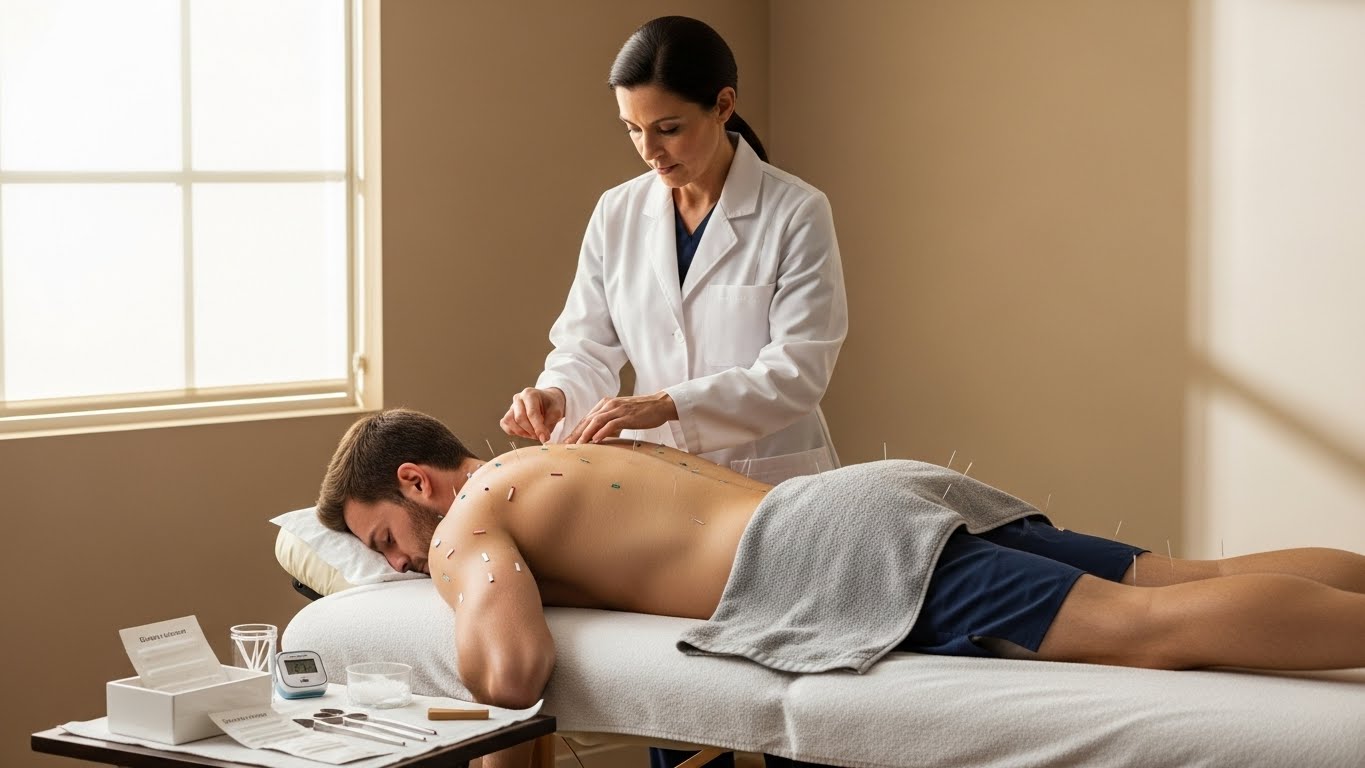
Overuse injuries represent the most common medical challenge facing athletes across all levels of competition and recreational participation. Unlike acute traumatic injuries resulting from single incidents, overuse injuries develop gradually through repetitive microtrauma that exceeds the body’s capacity for repair and adaptation. Conditions including tendinitis, stress fractures, muscle strains, and joint inflammation account for approximately 50-70% of all sports-related injuries, often sidelining athletes for weeks or months. As sports medicine practitioners seek effective interventions beyond rest and anti-inflammatory medications, acupuncture for sports injuries has emerged as an evidence-based treatment modality that addresses the complex pathophysiology underlying overuse conditions, promoting tissue healing, reducing inflammation, and facilitating safe return to athletic activity.
The Pathophysiology of Overuse Injuries
Overuse injuries occur when repetitive mechanical stress accumulates faster than tissues can repair themselves. During normal training, exercise creates microscopic damage to muscles, tendons, ligaments, and bones. Recovery periods allow cellular repair processes to not only restore tissue integrity but strengthen structures beyond their previous capacity—the fundamental principle of athletic adaptation.
However, when training volume, intensity, or frequency increases too rapidly, or when inadequate recovery time separates training sessions, repair processes cannot keep pace with ongoing damage. Collagen fibers in tendons develop microtears, bone experiences stress reactions before complete remodeling occurs, and muscle fibers sustain repeated damage without full regeneration. This imbalance between breakdown and repair initiates a cascade of pathological changes.
Research published in British Journal of Sports Medicine demonstrates that overuse injuries progress through predictable stages. Initial reactive tendinopathy involves increased water content and glycosaminoglycan production as tendons attempt to repair microdamage. If stress continues, tendon dysrepair develops, characterized by disorganized collagen structure, increased vascularity, and neurogenic inflammation. Chronic degenerative tendinopathy represents the end stage, with irreversible collagen breakdown and reduced mechanical properties.
Similar progressions occur in other tissues. Stress fractures begin as stress reactions where bone resorption outpaces formation, creating areas of weakened bone structure. Without intervention, these progress to visible fracture lines. Muscle strains that don’t fully heal develop scar tissue with reduced elasticity and strength, predisposing athletes to reinjury.
Common Overuse Injuries in Athletic Populations
Tendinopathies affect virtually every tendon exposed to repetitive loading, with particularly high incidence in the Achilles tendon among runners, patellar tendon in jumping athletes, rotator cuff tendons in overhead sport participants, and lateral epicondyle tendons in racquet sport players. These conditions traditionally called tendinitis—implying inflammation—are now recognized as tendinopathies involving degenerative changes often with minimal inflammatory components.
Stress fractures occur most commonly in weight-bearing bones including the tibia, metatarsals, and femoral neck. Female athletes face elevated risk due to the female athlete triad of low energy availability, menstrual dysfunction, and decreased bone density. Studies indicate stress fracture incidence reaches 20% in some high-risk athletic populations, particularly distance runners and military recruits.
Muscle strains from overuse differ from acute tears, developing gradually through repeated eccentric loading. The hamstring, quadriceps, and calf muscles experience highest incidence. Chronic muscle strains often involve persistent trigger points and fascial restrictions that perpetuate symptoms even after initial healing occurs.
Iliotibial band syndrome, patellofemoral pain syndrome, medial tibial stress syndrome (shin splints), and plantar fasciitis represent additional common overuse conditions affecting runners and jumping athletes. Each involves tissue stress exceeding recovery capacity, creating pain and dysfunction that limits training and performance.
Mechanisms of Acupuncture in Overuse Injury Treatment
Acupuncture for sports injuries addresses overuse conditions through multiple physiological pathways relevant to tissue healing and pain management. At the cellular level, needle insertion creates controlled microtrauma that triggers repair responses. This concept—using minor injury to stimulate healing of chronic injury—reflects similar principles underlying treatments like platelet-rich plasma injections but through different mechanisms.
Studies examining tendinopathy treatment document that acupuncture stimulation increases local production of growth factors including transforming growth factor-beta and vascular endothelial growth factor. These signaling molecules promote fibroblast proliferation, collagen synthesis, and angiogenesis—processes essential for tendon remodeling and healing. Research published in The American Journal of Sports Medicine showed that acupuncture treatment for chronic lateral epicondylitis increased collagen type I expression and improved collagen fiber organization in tendon tissue.
Blood flow enhancement represents another critical mechanism. Chronic overuse injuries often develop in relatively avascular tissues like tendons, where limited blood supply impairs healing. Doppler ultrasound studies demonstrate that acupuncture significantly increases blood flow to injured tendons, with effects persisting for hours post-treatment. Enhanced circulation delivers oxygen, nutrients, and growth factors while removing metabolic waste products that accumulate in injured tissues.
The anti-inflammatory effects of acupuncture for sports injuries prove particularly valuable. While chronic overuse injuries may not involve classic inflammatory processes, neurogenic inflammation—mediated by neuropeptides released from sensitized nerves—contributes substantially to pain and dysfunction. Acupuncture reduces levels of substance P and calcitonin gene-related peptide in injured tissues, decreasing neurogenic inflammation and associated pain.
Pain reduction occurs through multiple mechanisms beyond inflammation control. Acupuncture activates endogenous opioid systems, releasing beta-endorphins and enkephalins that bind to pain receptors throughout the nervous system. Additionally, gate control mechanisms—where activation of large-diameter sensory fibers inhibits pain signal transmission—provide immediate analgesic effects.
Central sensitization, where the nervous system becomes hypersensitive to pain signals, commonly develops in chronic overuse injuries. Research demonstrates that acupuncture helps normalize central pain processing, reducing the exaggerated pain responses characteristic of sensitized nervous systems. Functional MRI studies show decreased activity in brain regions associated with pain processing following acupuncture treatment.
Evidence for Specific Overuse Conditions
Substantial research examines acupuncture efficacy for common overuse injuries. For lateral epicondylitis (tennis elbow), multiple randomized controlled trials demonstrate significant improvements in pain and function. A systematic review in Rheumatology analyzing 11 trials concluded that acupuncture provides clinically meaningful short-term benefits superior to sham treatment and comparable to corticosteroid injections but without injection-related risks.
Achilles tendinopathy treatment with acupuncture shows promising results. A study published in Scandinavian Journal of Medicine & Science in Sports followed runners with chronic Achilles tendinopathy receiving either acupuncture or eccentric exercise—the current gold-standard treatment. Both groups improved significantly, with the acupuncture group showing faster pain reduction and earlier return to running. Ultrasound imaging documented improved tendon structure in both groups, suggesting that acupuncture promotes actual tissue healing rather than simply masking pain.
For patellofemoral pain syndrome affecting the knee, research indicates that acupuncture for sports injuries reduces pain and improves function. A randomized trial involving 60 athletes found that those receiving acupuncture achieved significantly greater pain reduction and functional improvement compared to exercise therapy alone. The benefits persisted at six-month follow-up, suggesting lasting effects rather than temporary relief.
Plantar fasciitis treatment with acupuncture demonstrates positive outcomes across multiple studies. A systematic review examining both acupuncture and dry needling approaches concluded that needling interventions provide significant pain reduction and functional improvement for chronic plantar heel pain. Studies using ultrasound imaging show reduced plantar fascia thickness following treatment, indicating resolution of pathological tissue changes.
Treatment Protocols and Point Selection
Effective acupuncture for sports injuries requires precise assessment of injury location, stage, and contributing factors. Protocols typically combine local points near the injury site with distal points along relevant meridians and systemic points supporting healing processes.
For lateral epicondylitis, local points include LI11 (Quchi) at the lateral elbow crease and ah-shi points (tender points) within the common extensor tendon. Distal points like LI4 (Hegu), LI10 (Shousanli), and SI3 (Houxi) complement local treatment through meridian connections. Similar principles apply to medial epicondylitis, utilizing local points with distal complementary points.
Achilles tendinopathy protocols target points along the bladder and kidney meridians that traverse the posterior lower leg. BL57 (Chengshan), BL60 (Kunlun), and KI3 (Taixi) address the Achilles tendon region directly, while GB34 (Yanglingquan) and ST36 (Zusanli) provide distal support. Needling techniques often incorporate peritendinous needling—placing needles around rather than directly into the tendon—to stimulate healing responses while minimizing potential damage to already compromised tissue.
Patellofemoral pain treatment emphasizes points around the knee including ST35 (Dubi), Xiyan (extra points flanking the patellar tendon), SP9 (Yinlingquan), and SP10 (Xuehai). Myofascial trigger points in the quadriceps, particularly vastus medialis oblique, often require direct needling to release muscular restrictions contributing to patellar tracking problems.
For plantar fasciitis, BL60 (Kunlun), KI3 (Taixi), and local ah-shi points along the plantar fascia provide direct treatment. Some protocols incorporate needling through the sole of the foot directly into tender regions of the fascia, though this requires careful technique to avoid infection risk in this weight-bearing area.
Electroacupuncture enhances treatment effects for many overuse injuries. Studies indicate that electrical stimulation at 2-10 Hz promotes tissue healing through enhanced growth factor production and improved microcirculation. For tendinopathies in particular, electroacupuncture appears superior to manual needle stimulation, with research documenting greater collagen organization and mechanical property improvements.
Treatment Timing and Frequency Considerations
The stage of overuse injury significantly influences optimal treatment approach. Acute reactive stages respond well to immediate intervention that reduces inflammation and pain while supporting healing processes. Treatment frequency of 2-3 sessions weekly during acute phases helps control symptoms and prevent progression to chronic stages.
Chronic degenerative conditions require longer treatment courses with sustained frequency to drive tissue remodeling. Research suggests that meaningful structural changes in chronic tendinopathy require 8-12 weeks of consistent treatment. Weekly sessions during this period maintain therapeutic stimulus for collagen reorganization and neovascularization.
Acupuncture for sports injuries integrates optimally with progressive loading protocols. Rather than replacing therapeutic exercise, acupuncture complements rehabilitation by controlling pain, reducing inflammation, and enhancing tissue healing capacity. This allows athletes to engage more effectively in necessary strengthening and movement retraining exercises.
The relationship between treatment and continued athletic activity requires careful management. Complete rest rarely proves optimal for overuse injuries, as tissues require mechanical loading to drive proper healing and adaptation. However, continued aggravating activities perpetuate injury. Acupuncture enables modified training that maintains fitness while allowing healing—reducing pain sufficiently to permit therapeutic loading while avoiding excessive stress that causes further damage.
Preventive Applications
Beyond treating established injuries, acupuncture for sports injuries shows promise for injury prevention. Some athletes incorporate regular acupuncture during intensive training periods to manage subclinical tissue stress before it progresses to symptomatic injury.
Research examining preventive acupuncture in military populations undergoing rigorous training documented reduced injury incidence compared to controls. Soldiers receiving weekly acupuncture treatments during basic training experienced 35% fewer overuse injuries, particularly stress fractures and tendinopathies. The mechanism likely involves enhanced recovery between training sessions and early intervention for tissue stress before symptomatic injury develops.
For athletes with previous overuse injuries, periodic acupuncture during return-to-sport phases may reduce reinjury risk. Studies tracking athletes following tendinopathy treatment show that those receiving maintenance acupuncture sessions during graduated return to training experienced lower recurrence rates than those without continued treatment.
Integration with Comprehensive Rehabilitation
Optimal outcomes require integrating acupuncture for sports injuries within evidence-based rehabilitation frameworks. For tendinopathies, this includes progressive loading programs like eccentric exercise that stimulate collagen remodeling and restore tendon mechanical properties. Acupuncture enhances tolerance for these often-uncomfortable exercises by managing pain and reducing reactive inflammation.
Biomechanical correction proves essential for addressing underlying causes of overuse injuries. Running gait analysis, throwing mechanics evaluation, and movement screening identify technique flaws or strength imbalances that contribute to excessive tissue stress. Acupuncture provides symptomatic relief that enables athletes to focus on technical and strength corrections without pain interference.
Manual therapy including massage, myofascial release, and joint mobilization complement acupuncture by addressing muscular restrictions and joint dysfunction associated with overuse injuries. Combined approaches often produce superior outcomes compared to any single intervention.
Psychological factors including pain catastrophizing, fear-avoidance behaviors, and performance anxiety can impede overuse injury recovery. Acupuncture’s demonstrated effects on anxiety reduction and stress hormone modulation support psychological aspects of rehabilitation, helping athletes maintain positive mindsets during challenging recovery periods.
Training Load Management
Understanding training load principles helps prevent overuse injury development and guides return-to-sport decisions. The acute-to-chronic workload ratio—comparing current training load to average load over previous weeks—predicts injury risk across numerous sports. Ratios exceeding 1.5 indicate dangerous spikes in training stress that dramatically increase overuse injury likelihood.
Acupuncture for sports injuries supports safe training progression by managing the tissue stress associated with gradual load increases. During planned training intensification phases, prophylactic acupuncture may help tissues adapt to increased demands without developing symptomatic overuse conditions.
Return-to-sport decisions following overuse injury require balancing adequate healing with minimizing deconditioning. Functional testing including pain-free movement patterns, strength measurements, and sport-specific skill execution guides progression. Acupuncture enables earlier reintroduction of sport-specific activities by managing symptoms during graduated exposure, potentially reducing total time away from sport.
Conclusion
Understanding overuse injury care through acupuncture for sports injuries reveals a sophisticated treatment approach addressing the complex pathophysiology of repetitive microtrauma. Through mechanisms including enhanced tissue healing, inflammation reduction, pain management, and central nervous system modulation, acupuncture provides comprehensive support for athletes managing the challenges of overuse conditions. The substantial evidence base documenting efficacy for common overuse injuries, combined with excellent safety profiles and compatibility with rehabilitation protocols, establishes acupuncture injuries as a valuable component of modern sports medicine. When integrated thoughtfully within comprehensive care plans emphasizing load management, biomechanical correction, and progressive rehabilitation, acupuncture accelerates recovery, facilitates return to sport, and potentially reduces future injury risk for athletes at all competitive levels.


 Ashu Sharma
 Botox Dubai