JFK Tech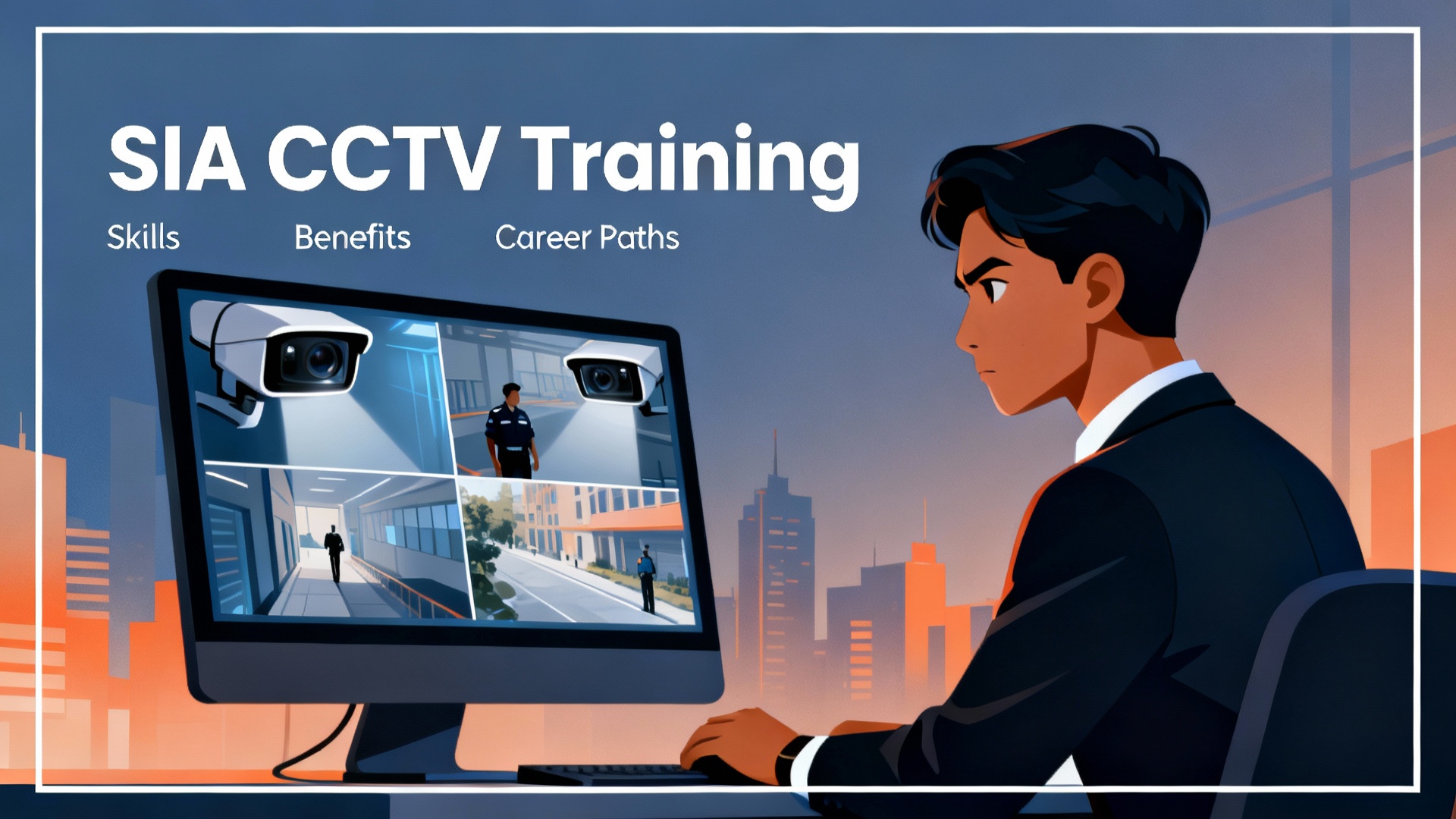
In an era where public safety and accountability are central to daily life, closed-circuit television (CCTV) systems have become an essential tool for monitoring, recording, and deterring crime. From bustling high streets and transport hubs to commercial buildings and residential complexes, CCTV cameras quietly play a critical role in keeping people and property safe. However, to use this technology effectively, individuals require more than just access to cameras — they need proper training. This is where SIA CCTV training comes in.
This article explores what SIA CCTV training involves, the core skills it teaches, the benefits it offers, and the career paths it can open up. Whether you’re considering entering the security industry or looking to expand your professional capabilities, understanding this training is an important first step.
What Is SIA CCTV Training?
SIA stands for the Security Industry Authority, the regulatory body responsible for licensing and regulating security personnel in the United Kingdom. One of the essential routes to becoming a qualified CCTV operator in the UK is completing accredited training that meets SIA standards.
SIA CCTV training equips learners with the knowledge and skills to monitor, report, and respond to situations they may encounter while operating surveillance systems. It ensures that individuals not only understand the technology behind CCTV but also the legal and ethical responsibilities that come with surveillance work.
People often search for “security training courses near me” when trying to find a local provider for SIA-approved CCTV training. This reflects the practical reality that many learners prefer accessible, community-based courses that allow hands-on instruction and face-to-face interaction with trainers.
Core Skills Covered in CCTV Training
1. Understanding CCTV Technology
A significant portion of CCTV training focuses on the technology itself. Participants learn about different types of cameras, recording systems, networking basics, and how footage is stored and retrieved. A solid grasp of technical components helps operators adjust settings, optimise image quality, and troubleshoot simple issues during shifts.
This foundational knowledge is crucial because each environment — whether a retail store, transport facility, or office building — may use a different configuration of hardware and software.
2. Observation and Monitoring Techniques
Effective CCTV monitoring goes beyond watching screens. It requires developing sharp observation skills, pattern recognition, and the ability to remain attentive over long periods. Training teaches individuals how to notice unusual behaviour, understand what constitutes a security risk, and differentiate between normal activity and potential threats.
Courses often include practical exercises where trainees review sample footage to identify incidents, practise reporting, and learn how to prioritise attention in multi-monitor settings.
3. Legal and Ethical Frameworks
A critical element of CCTV training is understanding the legal environment in which surveillance operates. In the UK, CCTV operators must be aware of privacy laws, data protection regulations (such as GDPR), and how to handle footage ethically.
Training covers:
-
When and how video can be recorded or shared
-
Data retention policies
-
Rights of individuals being filmed
-
Reporting requirements for incidents
This knowledge ensures surveillance work respects civil liberties while fulfilling security objectives.
4. Incident Reporting and Communication
CCTV operators frequently act as the eyes of a security team. When they observe suspicious behaviour or an unfolding incident, clear communication is key. Training teaches how to record accurate reports, escalate issues to supervisors or emergency services, and provide effective support to colleagues on the ground.
Good reporting isn’t just about documentation — it also helps organisations improve safety policies and respond more effectively to events.
5. Professional Conduct and Responsibility
Beyond technical skills, CCTV training emphasises professionalism. Operators learn about the ethical standards expected of them, such as maintaining confidentiality, avoiding bias, and handling sensitive situations responsibly.
This aspect is important because CCTV operators often work with information that could affect people’s privacy and reputations. Training reinforces the idea that surveillance work carries both technical and moral obligations.
Benefits of Completing CCTV Training
1. Enhanced Knowledge and Confidence
Undertaking formal CCTV training gives learners a structured understanding of how surveillance systems function and what is expected of them in a professional context. This foundational knowledge boosts confidence, reduces on-the-job uncertainty, and supports better decision-making in real-world scenarios.
2. Legitimacy and Compliance
For those aiming to work in regulated security roles, completing SIA-approved CCTV training is often a requirement. It ensures that you meet industry standards and are prepared to operate within legal boundaries. This compliance protects both the operator and the employer from potential legal challenges.
3. Career Opportunities
Qualified CCTV operators are in demand across various sectors, including retail, transportation, education, healthcare, and corporate security. Completing recognised training expands your employability and may serve as a stepping stone to other security roles, such as mobile patrol, key holding, or event security.
Additionally, training can be an entry point for those seeking to pursue advanced certifications or specialisations within the security industry.
4. Contribution to Public and Workplace Safety
Trained CCTV operators contribute meaningfully to safety efforts. By accurately identifying and reporting incidents, they support crime prevention, reduce risk, and help create environments where people feel more secure. Their work also aids law enforcement when investigations require footage and detailed reports.
5. Personal and Professional Growth
Completing professional training can improve more than just technical proficiency. It enhances critical thinking, communication skills, and situational awareness — all valuable competencies in many career paths beyond security.
Who Should Consider SIA CCTV Training?
SIA CCTV training isn’t limited to just one type of individual. Many people find this training valuable, including:
-
Aspiring security professionals looking to enter the CCTV monitoring field
-
Existing security staff seeking to expand their skill set
-
Business owners or managers wanting to understand best practices for surveillance in their operations
-
Individuals curious about technology, public safety, or law enforcement roles
Searching for “security training courses near me” often brings up a mix of options that cater to these varied needs. It’s important to choose a program that aligns with your objectives and meets recognised standards.
What to Expect from a CCTV Training Course
Learning Format
CCTV training is offered in several formats:
-
In-person classes: Hands-on instruction and direct interaction with trainers
-
Blended learning: A mix of online modules and classroom sessions
-
Fully online courses: Flexible learning for those balancing other commitments
Each format has its advantages. In-person training can provide immediate feedback, while online options offer flexibility. The right choice depends on your learning style and schedule.
Assessment and Certification
Most SIA CCTV training includes assessments to evaluate your understanding of key concepts. These may be written exams, practical evaluations, or both. Successful completion typically results in a certificate that verifies your competence and meets regulatory or employment requirements.
Time and Cost Considerations
The duration of CCTV training can range from a few days to several weeks, depending on the course structure. Costs also vary based on provider, format, and additional services like exam fees or study materials. Researching “security training courses near me” can help you compare options that fit your budget and timeline.
Career Paths After CCTV Training
Completing CCTV training can lead to a range of roles within the security sector. Some common paths include:
CCTV Operator
This is the most direct application of CCTV training. Operators monitor live feeds, review recorded footage, and report incidents as they occur. They may work in control rooms at shopping centres, transport networks, public spaces, or corporate environments.
Security Officer
With additional training or certification, CCTV-trained individuals can take on broader security duties. These may include on-site patrols, access control, and responding to alarms, integrating surveillance with other protective services.
Surveillance Analyst
Some organisations employ analysts who specialise in interpreting complex footage, identifying patterns over time, and supporting investigative work. This role may require additional experience or advanced training in data analysis and investigative techniques.
Security Manager or Supervisor
With experience and further qualifications, individuals can progress to supervisory or managerial roles, overseeing teams of operators or coordinating comprehensive security strategies.
Conclusion
SIA CCTV training is a valuable educational step for anyone interested in the field of surveillance and security. It provides a blend of technical knowledge, legal understanding, and practical skills that are essential for operating CCTV systems responsibly and effectively.
From understanding camera technology and monitoring techniques to reporting incidents and respecting ethical boundaries, the training prepares individuals for real-world challenges in diverse environments. It also opens doors to meaningful careers where trained professionals contribute to safety, prevention, and accountability.
For those taking their first step, exploring local security training courses near me can help identify accredited options that suit individual goals and learning preferences. Whether you’re beginning a career or enhancing your current skill set, SIA CCTV training offers a foundation built on competence, awareness, and responsibility.

 SPYDER Moving and Storage Denver
 COWS Mobile Storage