Vinayak Mehta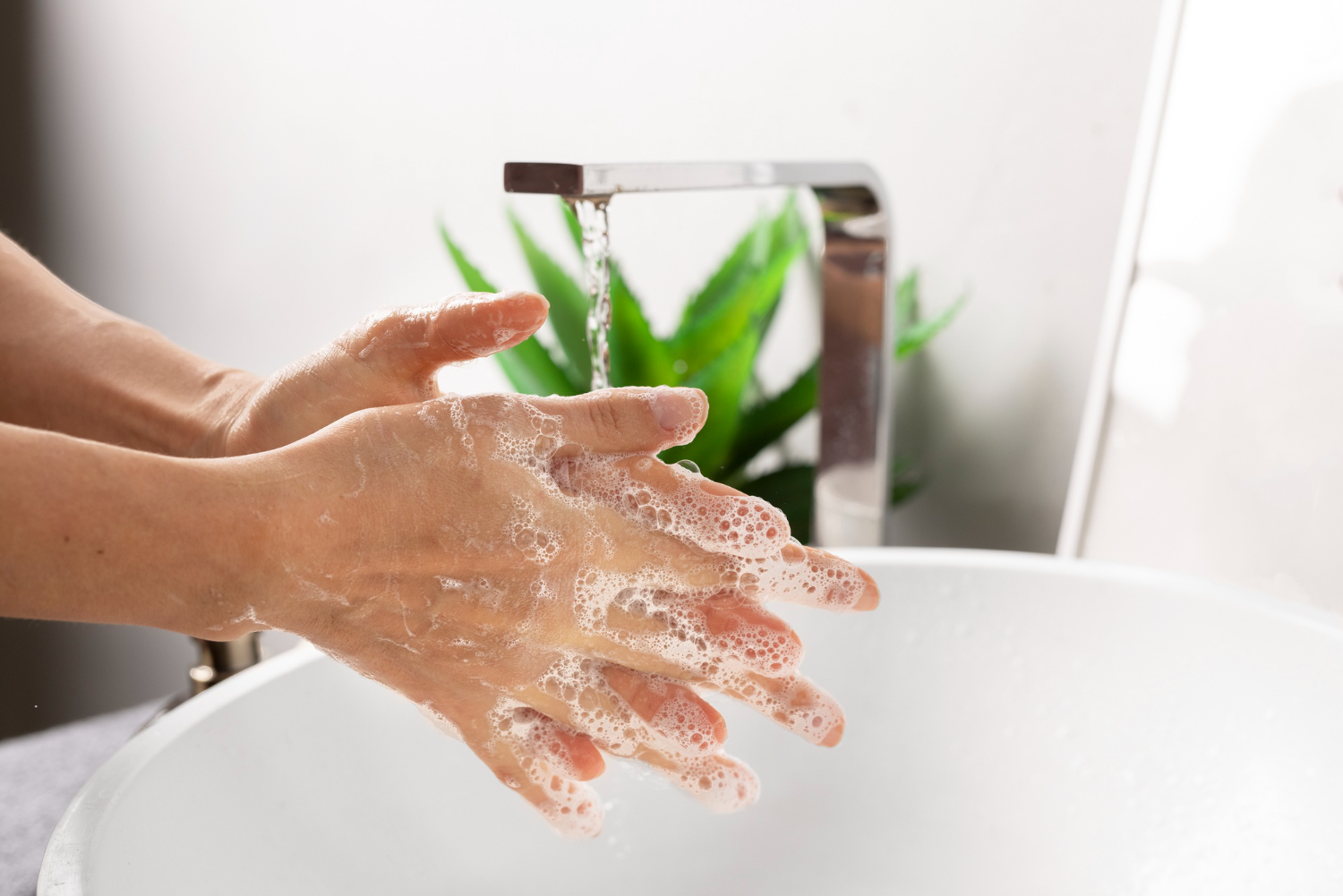
Hand hygiene is one of the simplest and most effective ways to protect ourselves from germs and infections. Our hands come into contact with many surfaces every day—door handles, mobile phones, money, and public transport. Without proper hand hygiene, harmful bacteria and viruses can easily enter our bodies and cause illness. Practicing good hand hygiene helps maintain a healthy and hygienic lifestyle in both personal and public spaces.
Understanding the types of hand hygiene and knowing when to use each method can help prevent the spread of diseases and promote better health at home, in workplaces, and in healthcare settings.
What Is Hand Hygiene?
Hand hygiene refers to cleaning hands using different methods to remove dirt, germs, and harmful microorganisms. It is a key practice recommended by health organizations worldwide to prevent infections and maintain personal hygiene.
Proper hand hygiene is especially important before eating, after using the toilet, after coughing or sneezing, and after touching potentially contaminated surfaces.
Why Hand Hygiene Is Important
Good hand hygiene plays a vital role in everyday life. It helps to:
- Prevent the spread of infections
- Reduce the risk of foodborne illnesses
- Protect children, elderly people, and those with weak immunity
- Maintain cleanliness in public and healthcare environments
Regular and correct hand hygiene can significantly reduce the chances of getting sick and supports a healthy and hygienic environment for everyone.
Types of Hand Hygiene
There are several types of hand hygiene, and each one is used in different situations. Choosing the right method depends on how dirty your hands are and the environment you are in.
1. Handwashing with Soap and Water
Handwashing with soap and clean water is the most common and effective form of hand hygiene.
When to use:
- When hands are visibly dirty
- After using the toilet
- Before eating or preparing food
- After handling waste or garbage
- After coughing, sneezing, or blowing your nose
Soap helps break down grease and dirt, allowing germs to be washed away with water. Hands should be washed for at least 20 seconds for best results.
2. Alcohol-Based Hand Rub (Hand Sanitizer)
Alcohol-based hand rubs are commonly used when soap and water are not available. These products usually contain 60–80% alcohol, which kills most germs.
When to use:
- While traveling
- In offices or public places
- Before touching shared equipment
- In healthcare settings when hands are not visibly dirty
Hand sanitizers are convenient and quick but do not remove visible dirt or chemicals.
3. Antiseptic Handwash
Antiseptic handwash contains special antimicrobial agents that kill or reduce germs more effectively than regular soap.
When to use:
- In hospitals and clinics
- Before and after patient contact
- During medical procedures
- In laboratories and healthcare facilities
This method is commonly used by healthcare professionals to reduce infection risks.
4. Surgical Hand Hygiene
Surgical hand hygiene is a more advanced form of hand cleaning used before surgical procedures. It involves special antiseptic solutions and a longer washing time.
When to use:
- Before surgeries
- Before invasive medical procedures
This method ensures maximum removal of microorganisms to protect patients from infections.
5. Hand Hygiene Using Wet Wipes
Wet wipes are sometimes used for hand cleaning when water or sanitizer is unavailable.
When to use:
- During travel
- In outdoor settings
- For quick cleaning
While wipes can remove some dirt, they are not as effective as soap or alcohol-based sanitizers and should not be relied on for complete hygiene.
Choosing the Right Hand Hygiene Method
Each situation requires a different approach. Knowing the types of hand hygiene helps in choosing the correct method:
- Use soap and water when hands are dirty
- Use hand sanitizer for quick cleaning when hands look clean
- Use antiseptic solutions in healthcare environments
- Follow surgical hand hygiene protocols in medical settings
Using the wrong method may reduce effectiveness and increase infection risk.
Common Mistakes in Hand Hygiene
Many people think they are practicing good hygiene but make simple mistakes, such as:
- Washing hands for too little time
- Missing areas like fingertips and thumbs
- Using sanitizer on dirty hands
- Forgetting to clean hands at key moments
Avoiding these mistakes improves hygiene effectiveness.
Hand Hygiene in Daily Life
Hand hygiene is important for everyone, not just healthcare workers. At home, in schools, offices, and public places, regular hand cleaning helps keep communities safe.
Teaching children proper hand hygiene habits from an early age can reduce illness and school absenteeism.
Role of Hand Hygiene in Disease Prevention
Hand hygiene is one of the first lines of defense against infectious diseases such as flu, diarrhea, respiratory infections, and viral outbreaks. By practicing proper hygiene, individuals help protect not only themselves but also those around them.
Understanding and following the correct types of hand hygiene can significantly reduce the spread of germs.
Conclusion
Hand hygiene is a simple yet powerful practice that protects health and saves lives. Different situations require different hand cleaning methods, and knowing when to use each one makes hygiene more effective. From handwashing with soap to using sanitizers and antiseptic solutions, every method has its purpose.
By understanding the types of hand hygiene and using them correctly, we can build healthier habits, reduce infections, and create safer environments for everyone.


 Christina Wood
 Botox Dubai