MGR Leak Detection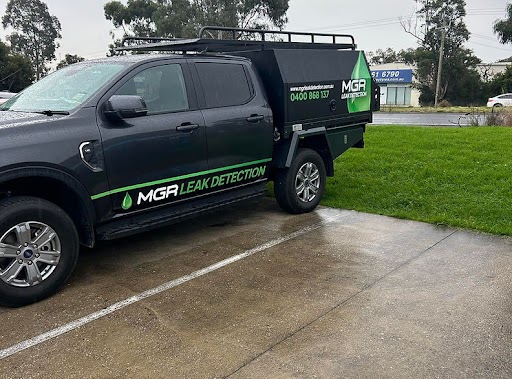
Common Causes of Roof Leaks
Several factors commonly trigger roof leaks, many tied to everyday wear or environmental pressures unique to Australia. Ageing shingles top the list, as asphalt tiles lose flexibility over time due to UV exposure and temperature swings, cracking and allowing water entry. Clogged gutters rank high too, especially in leafy suburbs, where debris blocks drainage and causes overflows that erode roof edges.
Flashing failures around chimneys, vents, and valleys follow closely. Metal or rubber seals deteriorate from sun, rain, and wind, creating gaps for water infiltration. Pipe boots on plumbing vents crack under heat, a frequent issue in sunnier states like Queensland and New South Wales. Valleys, where roof planes meet, suffer from poor underlayment or debris buildup, directing water straight into the home.
Signs Your Roof is Leaking
Spotting leaks early prevents escalation. Look for water stains on ceilings or walls, often brown or yellow from mineral deposits, appearing days after rain. Buckled or peeling paint indoors signals moisture trapped behind surfaces. Damp, musty smells or visible mould in the attic point to ongoing issues.
Externally, check for missing or curled shingles, granule loss on asphalt roofs, or rust on flashing. Gutters overflowing during light rain or ice dams in cooler southern regions like Victoria exacerbate problems. Buckling roof decking or soft spots underfoot in the attic demand immediate attention.
Detection Methods
Effective detection goes beyond visual checks, especially for hidden leaks. Professionals use infrared thermography to spot temperature differences from trapped moisture, ideal for large Australian roofs. Moisture meters probe ceilings and walls without damage, pinpointing wet areas accurately.
Smoke testing pressurises the roof to reveal escape points, while electronic leak detection applies low voltage to wet surfaces for precise location. For tile roofs common in Australia, lift-and-inspect techniques check underlay without full removal. Always schedule inspections post-storm, as wind-driven rain in places like Sydney can lift seals unnoticed.
DIY Inspection Tips
Homeowners can start with safe, basic checks using Australian standards. Climb a sturdy ladder on a dry day to inspect from a distance first, noting damaged tiles or ridges. Clear gutters gently with gloves, avoiding roof walking unless experienced.
Use binoculars for high vents and flashing. Inside, attic torches reveal daylight through cracks or wet insulation. Document findings with photos for experts. Avoid forceful poking, as it worsens damage. If unsure, call a leak detection specialist like MGR Leak Detection early.
Professional Solutions
Experts tailor fixes to the cause for lasting results. Replace cracked pipe boots with UV-resistant neoprene, sealing with high-grade silicone for Australia’s climate. Re-flash chimneys using corrosion-resistant aluminium or copper, ensuring overlaps direct water away.
For valleys, install ice-and-water shields under shingles, vital in wetter areas. Full shingle replacements use colour-matched tiles compliant with Australian Building Codes. Gutters get realigned with leaf guards to prevent repeats. MGR Leak Detection employs advanced tools for non-invasive fixes, minimising disruption.
|
Cause |
Solution |
Prevention Tip |
|
Ageing Shingles |
Partial or full replacement |
Annual inspections after 10 years |
|
Clogged Gutters |
Cleaning and guards |
Quarterly clears in autumn |
|
Flashing Failure |
Re-sealing or new metal |
Check post-storm |
|
Pipe Boots |
UV-resistant replacement |
Shade vents if possible |
|
Valleys |
Waterproof membrane |
Clear debris regularly |
Prevention Strategies
Proactive steps extend roof life in Australia’s variable weather. Install overhangs or shade structures to cut UV damage on northern-facing slopes. Use breathable underlayments to combat condensation in humid coastal homes.
Regular maintenance trumps reactive repairs: clean twice yearly, inspect after cyclones or hail. Opt for metal roofs in high-wind zones like Darwin, paired with proper insulation. Insure against weather events via comprehensive policies. MGR Leak Detection offers tailored plans for long-term protection.
Why Choose MGR Leak Detection
With years serving Australian homes, MGR Leak Detection stands out for precision and reliability. Their team uses state-of-the-art gear to find leaks others miss, from thermal imaging to tracer gas, ensuring minimal invasive work. Based in key regions, they respond fast to storms, backed by warranties on all services.
Clients praise their no-mess approach and clear communication, aligning with EEAT principles of expertise and trust. Whether a subtle attic drip or major storm damage, MGR delivers solutions that save time and money. Visit MGR Leak Detection for bookings.
Long-Term Roof Care
Invest in quality materials from the start, like Class 4 tiles for hail-prone areas. Monitor for subtle shifts, such as increased energy bills from insulation damage. Annual professional audits catch issues early, potentially halving repair costs.
In summary, roof leaks stem from predictable causes but demand swift, skilled action. By blending vigilance with expert help from providers like MGR Leak Detection, Australian homes stay dry and secure year-round


 ashton kit
 First Group Management