Khalsa Physiotherapy Clinic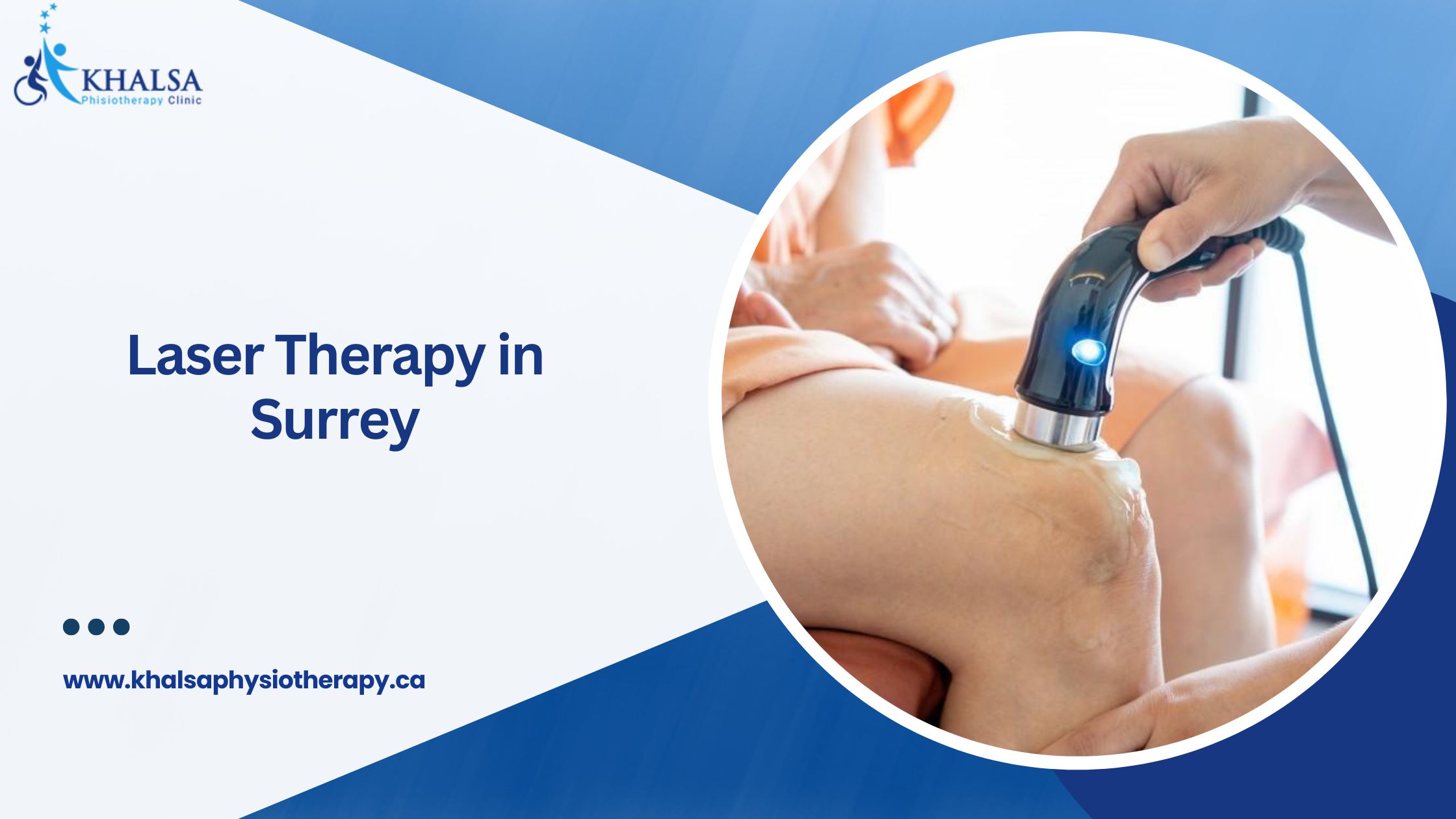
Pain, inflammation, and mobility issues can significantly impact daily life, making even simple activities difficult to perform. As healthcare continues to evolve, many patients are seeking non-invasive treatment options that promote healing while minimizing discomfort. One treatment that has gained attention in rehabilitation and pain management is laser therapy Surrey.
Laser therapy is widely used by physiotherapists and rehabilitation professionals to support tissue healing, reduce inflammation, and manage pain associated with a variety of musculoskeletal conditions. It offers a safe, drug-free approach that can complement other treatment methods and help patients recover more efficiently.
In this article, we’ll explore how laser therapy works, its benefits, and the common conditions that can be treated with laser therapy in Surrey.
What Is Laser Therapy?
Laser therapy, often referred to as low-level laser therapy (LLLT) or cold laser therapy, uses specific wavelengths of light to stimulate cellular activity within injured tissues.
The treatment works by delivering light energy deep into the affected area, where it helps:
- Improve blood circulation
- Reduce inflammation
- Accelerate tissue repair
- Promote cellular regeneration
- Reduce pain signals
Unlike surgical lasers, therapeutic lasers do not generate heat that damages tissue. Instead, they support the body’s natural healing processes in a gentle and non-invasive manner.
How Does Laser Therapy Work?
During a laser therapy session, a specialized handheld device is placed over the treatment area. Light energy penetrates the skin and reaches underlying muscles, ligaments, tendons, nerves, and joints.
This process helps increase cellular energy production, allowing damaged tissues to repair themselves more effectively.
Many patients seeking laser therapy Surrey appreciate that the treatment is:
- Non-invasive
- Painless
- Drug-free
- Quick and convenient
- Suitable for many age groups
Treatment plans are typically customized based on the patient’s condition, symptoms, and recovery goals.
Conditions Commonly Treated with Laser Therapy
Laser therapy can be used to treat a wide range of acute and chronic conditions affecting the musculoskeletal system.
Back Pain
Back pain is one of the most common reasons individuals seek rehabilitation services.
Laser therapy may help:
- Reduce muscle tension
- Decrease inflammation
- Improve circulation
- Support tissue healing
It is often used alongside physiotherapy exercises and manual therapy to improve outcomes.
Neck Pain
Neck pain can develop due to poor posture, muscle strain, repetitive movements, or injury.
Laser therapy helps by:
- Relieving muscle tightness
- Reducing inflammation
- Promoting recovery of soft tissues
Patients often report improved mobility and reduced discomfort following treatment.
Sports Injuries
Athletes frequently experience injuries involving muscles, ligaments, tendons, and joints.
Common sports injuries treated with laser therapy include:
- Sprains
- Strains
- Tendon injuries
- Muscle tears
- Overuse injuries
Laser therapy can accelerate healing and support a faster return to physical activity.
Tendonitis
Tendonitis occurs when tendons become irritated or inflamed due to repetitive movements or excessive strain.
Examples include:
- Achilles tendonitis
- Tennis elbow
- Golfer’s elbow
- Rotator cuff tendonitis
Laser therapy helps reduce inflammation while encouraging tissue repair.
Joint Pain
Joint discomfort can significantly affect mobility and quality of life.
Laser therapy may help individuals experiencing pain associated with:
- Knees
- Shoulders
- Hips
- Ankles
- Wrists
The treatment focuses on reducing inflammation and improving joint function.
Arthritis Management
Arthritis affects millions of people and is a leading cause of chronic pain.
Laser therapy may assist with managing symptoms of:
Osteoarthritis
Osteoarthritis occurs when joint cartilage gradually wears down.
Benefits of laser therapy may include:
- Reduced stiffness
- Improved mobility
- Decreased inflammation
- Pain relief
Rheumatoid Arthritis
Rheumatoid arthritis is an autoimmune condition that causes joint inflammation.
While laser therapy does not cure arthritis, it may help reduce discomfort and improve daily function.
Muscle Injuries
Muscle injuries can result from sports participation, physical work, accidents, or sudden movements.
Laser therapy is commonly used to treat:
- Muscle strains
- Muscle tears
- Muscle spasms
- Delayed onset muscle soreness
Improved blood flow and cellular activity support faster recovery.
Ligament Sprains
Ligament injuries are common in both athletes and active individuals.
Common sprains include:
- Ankle sprains
- Knee ligament injuries
- Wrist sprains
Laser therapy can help reduce swelling while promoting tissue regeneration.
Post-Surgical Rehabilitation
Recovery after surgery often involves managing pain, inflammation, and restricted movement.
Laser therapy may support post-surgical rehabilitation by:
- Reducing swelling
- Encouraging tissue healing
- Improving circulation
- Assisting pain management
It is frequently incorporated into comprehensive rehabilitation programs.
Nerve-Related Conditions
Certain nerve conditions may also respond positively to laser therapy.
Examples include:
Sciatica
Sciatica causes pain that radiates from the lower back down the leg due to nerve irritation.
Laser therapy may help reduce inflammation around affected nerves and improve comfort.
Peripheral Neuropathy
Peripheral neuropathy can cause:
- Numbness
- Tingling
- Burning sensations
- Weakness
Some patients experience symptom relief when laser therapy is included in their treatment plan.
Repetitive Strain Injuries
Repetitive strain injuries are common among office workers, tradespeople, and athletes.
Examples include:
- Carpal tunnel syndrome
- Tendon overuse injuries
- Occupational strain conditions
Laser therapy helps support healing while reducing discomfort associated with repetitive movements.
Benefits of Laser Therapy
Patients choosing laser therapy Surrey often appreciate the numerous advantages associated with this treatment.
Non-Invasive Treatment
Laser therapy does not involve injections, surgery, or medication.
Reduced Pain
Many patients experience pain reduction as inflammation decreases and healing improves.
Faster Recovery
Laser therapy supports the body’s natural healing process, which may shorten recovery times.
Improved Mobility
By reducing stiffness and discomfort, laser therapy often helps improve movement and physical function.
Minimal Side Effects
When administered by qualified professionals, laser therapy is generally considered safe with minimal risk of complications.
What to Expect During Treatment
A typical laser therapy session is straightforward and comfortable.
During treatment:
- The affected area is assessed.
- A therapeutic laser device is applied to the targeted tissues.
- Light energy is delivered to the treatment area.
- Sessions usually last between 5 and 20 minutes, depending on the condition being treated.
Most patients experience little to no discomfort during the procedure.
Is Laser Therapy Right for You?
Laser therapy may be beneficial for individuals experiencing:
- Chronic pain
- Acute injuries
- Joint conditions
- Sports injuries
- Soft tissue damage
- Inflammatory conditions
However, treatment suitability should always be determined through a professional assessment by a qualified healthcare provider.
A physiotherapist offering laser therapy Surrey can evaluate your condition and develop an individualized treatment plan tailored to your recovery goals.
Conclusion
Laser therapy has become an increasingly popular treatment option for managing pain, reducing inflammation, and promoting healing. It can be used to address a wide variety of conditions, including back pain, neck pain, sports injuries, tendonitis, arthritis, muscle strains, ligament sprains, nerve-related disorders, and post-surgical recovery.
For individuals seeking laser therapy Surrey, this non-invasive treatment offers a safe and effective approach to rehabilitation and pain management. When combined with professional physiotherapy care and personalized treatment planning, laser therapy can help improve mobility, accelerate recovery, and support long-term physical health. By addressing the underlying causes of pain and dysfunction, patients can enjoy a better quality of life and return to their daily activities with greater comfort and confidence.


 sobiyya Kazmi
 Sajan Negi