Susan Armadale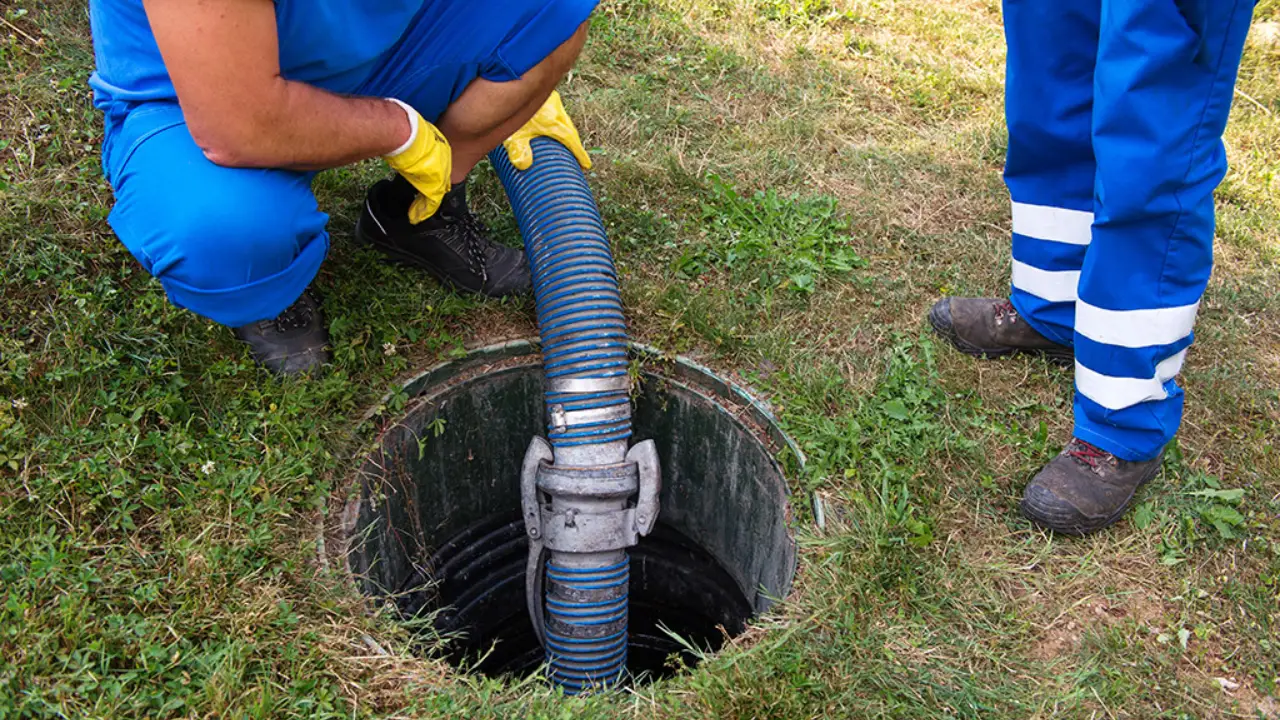
In coastal communities like Skidaway, managing household wastewater responsibly is no longer optional. With rising environmental awareness and stricter local standards, homeowners are rethinking how they approach Septic Tank Pumping Skidaway services. Cutting waste during pumping is not just about saving money; it protects groundwater, preserves marsh ecosystems, and extends system life. In 2026, eco-conscious septic care blends smarter habits, better timing, and greener service practices to reduce environmental impact.
1. Rethink Pumping Frequency Based on Real Usage
Many property owners still rely on outdated schedules when planning septic pumping. In reality, tank size, household occupancy, and water habits matter more than a fixed calendar date. Eco-focused septic maintenance in Skidaway starts with assessing actual waste volume rather than guessing.
A family of two will not generate the same sludge levels as a busy rental property near the coast. Monitoring usage helps prevent unnecessary pumping, which reduces fuel consumption from service trucks and limits treatment plant processing. Smart timing alone can significantly cut environmental waste.
2. Install Effluent Filters to Reduce Solid Waste Buildup
Effluent filters are often overlooked, yet they play a quiet but powerful role in waste reduction. These filters capture solids before they reach the drain field, preventing clogs and extending system life. When less solid waste escapes the tank, the overall load during pumping decreases.
In Skidaway’s sandy soil conditions, protecting the drain field is critical. A well-maintained filter reduces the chance of premature failure and unnecessary excavation. Cleaner tanks mean more efficient pumping sessions and fewer emergency service calls that strain both the environment and your wallet.
3. Limit Harsh Chemical Cleaners Inside the Home
What goes down the drain directly affects what ends up in your septic tank. Strong chemical cleaners disrupt the natural bacteria that break down waste. When bacterial balance collapses, solids accumulate faster, leading to more frequent pumping.
Switching to biodegradable or septic-safe cleaning products keeps the microbial system active and healthy. This small shift reduces sludge buildup over time. In 2026, eco-friendly septic care is less about fancy equipment and more about mindful daily choices inside kitchens, bathrooms, and laundry rooms.
4. Conserve Water to Prevent Overloading the Tank
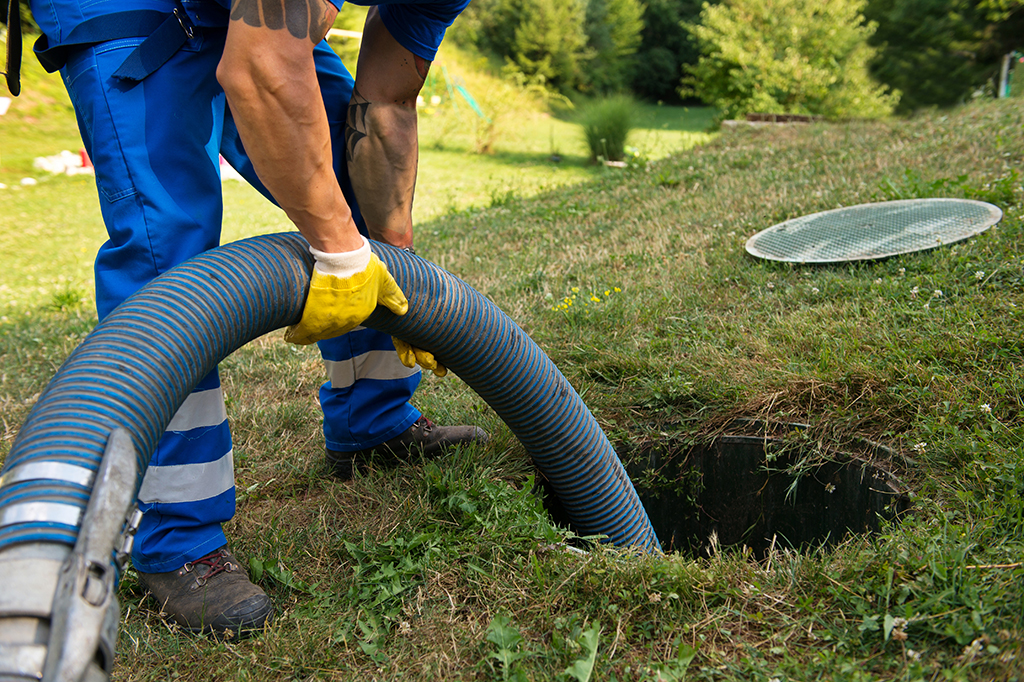
Excess water entering the septic system dilutes bacteria and pushes solids into the drain field prematurely. Long showers, leaking toilets, and outdated washing machines all contribute to overload. Water conservation directly reduces waste output during pumping.
Fixing leaks promptly and installing low-flow fixtures makes a measurable difference. In coastal Georgia, heavy rains already challenge soil absorption. Lowering household water use prevents system stress and cuts the frequency of full-scale pump-outs. Eco savings begin at the faucet, not the tank.
5. Avoid Non-Biodegradable Items in Toilets and Drains
Even products labeled as flushable often fail to break down properly in septic environments. Wipes, paper towels, hygiene products, and grease create stubborn blockages. These materials increase sludge thickness and complicate the pumping process.
In Skidaway communities, service technicians regularly report avoidable clogs caused by household habits. Keeping foreign materials out of the system leads to cleaner extractions and fewer disposal issues. It also prevents truck operators from handling excessive solid waste that could have been avoided entirely.
6. Choose Eco-Conscious Pumping Providers
Not all septic service companies operate the same way. Some use modern vacuum trucks designed for lower emissions and improved waste containment. Others follow environmentally responsible disposal practices aligned with local regulations.
When selecting a septic pumping company in Skidaway, ask about waste treatment partnerships and fuel efficiency standards. A provider that prioritizes sustainability reduces environmental impact beyond your property line. Responsible hauling, proper treatment, and compliance with environmental codes all contribute to waste reduction in 2026.
7. Maintain the Drain Field to Extend System Life
A healthy drain field reduces how often a tank fills with excess solids. Compacted soil, vehicle traffic, or invasive tree roots can interfere with proper absorption. When the drain field struggles, solids accumulate faster inside the tank.
Keeping heavy equipment off the field and planting grass instead of deep-rooted shrubs supports better drainage. In Skidaway’s coastal environment, managing soil stability is crucial. Preventative care avoids premature system strain and cuts down on emergency pump-outs that generate additional waste.
8. Schedule Inspections Before Problems Escalate
Routine inspections identify minor issues before they demand large-scale interventions. A small crack, loose baffle, or slow drain might not seem urgent, yet these problems accelerate sludge accumulation. Early detection keeps the system running efficiently.
Professional evaluations every few years ensure that internal components remain intact. When tanks operate correctly, pumping sessions are smoother and less wasteful. Preventative oversight reduces unexpected overflows, protecting nearby waterways and neighborhood landscapes from contamination.
:max_bytes(150000):strip_icc()/GettyImages-1395566446-b2188dc6b2724a049796c93ebf0b6ddf.jpg)
9. Upgrade Aging Systems with Modern Technology
Older septic systems were not designed with today’s environmental standards in mind. Advanced treatment units now use aerobic processes that break down waste more thoroughly. This results in lower sludge volume and cleaner effluent output.
Upgrading components such as pumps, alarms, or treatment chambers can dramatically cut long-term waste. In Skidaway, where coastal preservation matters, investing in modern septic technology supports sustainable living. Reduced pumping frequency and improved filtration translate directly into smaller environmental footprints.
10. Educate Household Members and Tenants
Even the best septic infrastructure fails if users ignore basic care principles. Clear communication within households prevents accidental misuse. Tenants in rental homes, especially short-term visitors, often lack awareness of septic limitations.
Posting simple guidance inside utility areas or lease agreements makes a difference. When everyone understands what should and should not enter the system, waste generation declines naturally. Education builds long-term sustainability without adding complex procedures or costly upgrades.
Conclusion
Eco-friendly septic care in Skidaway is not about drastic change. It involves smarter scheduling, mindful water use, responsible disposal habits, and choosing green service providers. By protecting bacteria balance and maintaining drain fields, homeowners cut unnecessary waste and extend system life. These proactive steps also reduce the risk of costly failures that demand major Septic System repair, preserving both property value and the surrounding coastal environment.


 Levin John
 Samuel Parker